
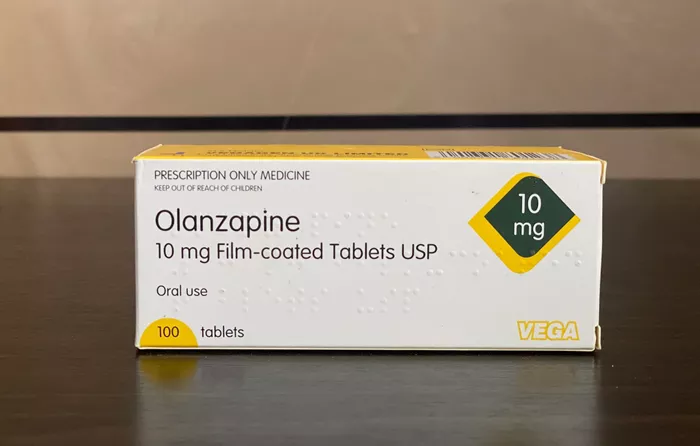
A new international study has shown that a lower dose of olanzapine can significantly reduce chemotherapy-induced nausea and vomiting—while minimizing the sedative side effects linked to standard treatments.
The findings, published in The Lancet Oncology on July 1, 2025, offer promising alternatives for patients undergoing highly emetogenic chemotherapy, particularly women receiving anthracycline and cyclophosphamide regimens for breast cancer.
Chemotherapy-induced nausea and vomiting (CINV) remain some of the most debilitating side effects for cancer patients, often impacting their quality of life and treatment adherence.
Addressing this challenge, researchers led by Professor Mitsue Saito and Dr. Hirotoshi Iihara in Japan investigated whether a 5 mg dose of olanzapine could provide effective relief without the sedative burden of the traditional 10 mg dose.
“While the 10 mg dose of olanzapine is known for its antiemetic potency, it frequently leads to excessive sedation, daytime drowsiness, and even loss of consciousness,” explained Prof. Saito. “This trial was designed to strike a better balance between efficacy and safety—especially for outpatients who need to remain active after treatment.”
The study, a phase 3, double-blind, placebo-controlled trial, included 500 female breast cancer patients across Japan. All participants received standard antiemetic therapy—palonosetron, dexamethasone, and an NK-1 receptor antagonist—and were randomly assigned to either an added 5 mg dose of olanzapine or a placebo.
The olanzapine dose was taken at home within five hours after chemotherapy, prior to dinner, to reduce the likelihood of sedative effects during treatment travel.
“This was a patient-informed trial,” added Prof. Saito, who noted that it was inspired by feedback from breast cancer patients at an international oncology meeting in 2015. “Patients told us that sedation from olanzapine was a significant concern. Their voices shaped the protocol we developed.”
The primary endpoint was the proportion of patients who experienced a “complete response”—defined as no vomiting and no need for rescue medication within 120 hours after starting chemotherapy. The results were striking: 58.1% of patients in the olanzapine group achieved a complete response, compared to 35.5% in the placebo group. Additionally, improvements were observed in managing delayed nausea and vomiting over a 7-day monitoring period.
Importantly, while some patients on olanzapine reported drowsiness, fewer experienced concentration problems compared to those receiving placebo. Only 10% in the olanzapine group reported severe or very severe concentration issues, versus 14% in the placebo group. No treatment-related deaths or major adverse events occurred in either group.
Dr. Iihara highlighted the significance of the drug’s timing: “This study looked closely at when to administer olanzapine to minimize side effects while maintaining antiemetic effectiveness. Timing is especially critical for outpatients, who typically receive chemotherapy without hospital stays, unlike those treated with cisplatin-based regimens.”
The study also emphasized potential cost benefits. The 5 mg dose not only reduces the risk of side effects but may also lower treatment costs, making advanced antiemetic therapy more accessible—particularly in healthcare systems with limited resources.
Although the trial was conducted among Japanese breast cancer patients, researchers believe the results are widely applicable and could lead to updates in international oncology guidelines.
This research reflects a broader movement toward patient-centered care in oncology. By integrating patient feedback and focusing on both clinical and financial toxicity, the study signals a paradigm shift in how supportive cancer care is delivered.
READ MORE
Expanded mastectomies could cut UK breast cancer by 11%
Opioids, Tranquillisers, Antidepressants Could Lead to Driving Bans
Rising Alcohol Use Among Women Linked to Surge in Liver Disease
