
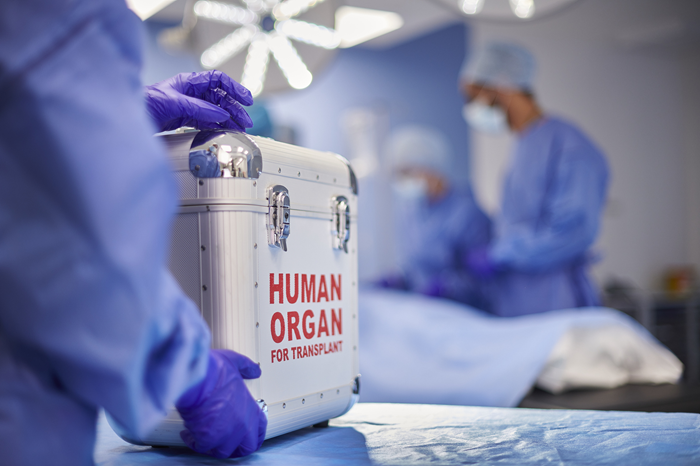
A groundbreaking federal investigation has revealed alarming misconduct within the U.S. organ transplant system, triggering swift action from Health and Human Services (HHS) Secretary Robert F. Kennedy Jr. The probe, led by the Health Resources and Services Administration (HRSA), scrutinized 351 cases of authorized—but ultimately aborted—organ donations.
Shockingly, 103 of these cases raised concerns, including 73 donors showing neurological activity incompatible with “donor” status, and 28 who may not have been legally dead when organ harvesting began.
The scandal centers on a surge of “donation after circulatory death” (DCD) protocols. Under this system, life support is withdrawn, and organs are retrieved shortly after the heart stops beating—but before brain death is formally determined. Designed to expand the donor pool amid rising transplant demand, DCD now faces intense scrutiny. Investigators found rushed neurological assessments, misleading cause-of-death classifications, questionable consent practices, and inadequate oversight—leading to at least one case in which a patient regained consciousness on the operating table after procurement.
Responding to these revelations, Secretary Kennedy described the findings as “horrifying” and announced far-reaching interventions aimed at safeguarding donor dignity. Among the reforms:
Threatening decertification for Network for Hope, the organ procurement organization (OPO) servicing Kentucky, parts of Ohio, and West Virginia, unless it rapidly corrects documented protocol breaches.
Implementing a universal “safety stop” policy mandating that any medical or support staff can halt the organ retrieval process immediately if safety doubts arise.
Enforcing a strict waiting period—five minutes post-circulatory arrest—before incisions may begin, with mandatory reporting to identify protocol violations.
Requiring transparent data reporting from the Organ Procurement and Transplantation Network (OPTN) on all halted procedures due to safety concerns.
These measures come amid a year-over-year 23 % increase in U.S. transplants since 2020, driven in part by DCD, though more than 105,000 Americans remain on the transplant waiting list .
Leaders across the transplant field have responded decisively. UNOS CEO Maureen McBride decried the findings as “horrific” and called for consolidated, centralized oversight to replace the current fragmented HRSA and CMS structure.
Meanwhile, Dr. Robert Montgomery of NYU Langone emphasized his institution’s adherence to rigorous protocols, reaffirming the ethical backbone of transplantation care.
The implications of this scandal stretch far beyond individual cases. With 13 people dying every day on the national transplant waitlist, any erosion of public trust could jeopardize thousands of lives. Historic mishaps, such as a near-organ retrieval from someone mistakenly declared dead in Kentucky in 2021—triggering mass deregistration campaigns—serve as stark examples of how fragile confidence can be.
Critics of the current system note that, despite publicized concerns, no OPO has ever been decertified until now—a sign of systemic leniency. A recent Senate Finance Committee criticism focused on ethical loopholes, like the “pancreas loophole,” where OPOs boost performance metrics by collecting pancreata for research rather than transplants—an issue underscoring the deep need for reform.
What Happens Now: System-wide Reform in Motion
1.OPO Compliance and Accountability
Network for Hope has been put on notice: fix dangerous practices or face decertification. Other OPOs will soon be subject to the same compliance measures.
2.Policy Reinforcement
OPTN must publish data on halted donation attempts due to safety issues. A formal protocol will empower any staff member to freeze retrieval if medical safety is uncertain.
3.Strengthened Regulations
Federal regulators aim to harmonize fragmented oversight, ensuring that HHS, CMS, and OPTN operate under cohesive safety standards to prevent future abuses.
4.Rebuilding Public Trust
The initiative underscores transparent, accountable protocols intended to restore confidence in donation systems without sacrificing donor safety.
Why It Matters
Ethical Imperatives: Organ donation hinges on unwavering respect for donor life and consent. The revealed practices cross an irreversible moral line.
Restoring Public Confidence: Any erosion in public trust can directly reduce donor registration rates and cost lives.
Balancing Supply with Safety: While expanding organ availability is essential, it cannot override foundational medical ethics.
In Summary: The HHS-led initiative, driven by Secretary Kennedy, marks a pivotal moment for U.S. organ transplantation. With fatal consequences on the line, the nation’s call for ethical, transparent, and standardized protocols mirrors the depth of public concern. Ensuring donor safety isn’t just an ethical obligation—it is the bedrock of a system that grants life to others.
You may also like
Blood Test Identifies ‘Old’ Organs Linked to Higher Disease Risk
