
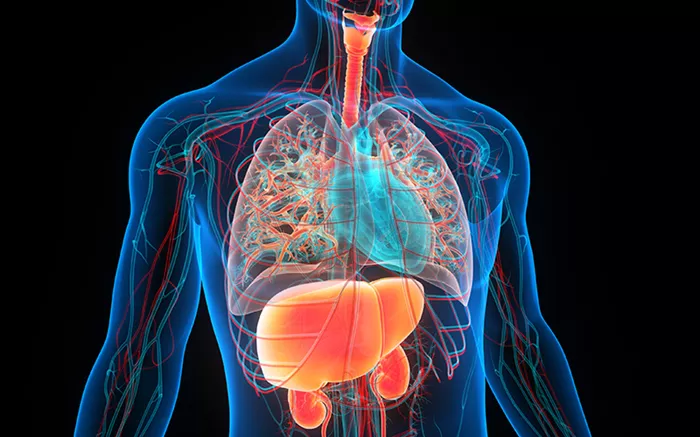
For years, we’ve relied on the number of candles on our birthday cake to gauge our age. However, a groundbreaking study from Stanford University suggests that our organs might be more honest indicators of our health’s true age.
While chronological age ticks forward predictably, biological age varies significantly among individuals. This variation is evident in our organs, each of which can age at its own pace. Recent research indicates that an organ’s biological age can be a more accurate predictor of health outcomes than the number of years we’ve lived.
Published in Nature Medicine, the Stanford study analyzed blood samples from nearly 45,000 individuals to estimate the biological age of 11 major organ systems, including the brain, heart, and kidneys. The researchers discovered that organs can age at different rates, and when an organ’s biological age is significantly older than expected, it can signal increased disease risk.
For instance, an older brain was associated with a 182% higher risk of death within 15 years compared to those with brains aging at a normal rate. Conversely, individuals with biologically younger brains had a 40% lower risk of death and a reduced likelihood of developing Alzheimer’s disease.
The study’s findings suggest that assessing the biological age of organs could offer a more precise method for predicting health risks. For example, an older heart may indicate a higher risk of heart failure, while accelerated aging in the lungs could point to a greater likelihood of developing chronic obstructive pulmonary disease (COPD).
Notably, the research also highlighted that certain lifestyle factors, such as regular exercise, adequate sleep, and avoiding smoking, can help maintain or even reverse the biological age of organs. This underscores the potential for preventive measures to enhance health and longevity.
As scientists continue to explore the intricacies of organ aging, the development of blood tests that assess organ-specific biological age could revolutionize preventive healthcare. Such tests would allow for early detection of potential health issues, enabling timely interventions tailored to an individual’s unique biological profile.
In conclusion, while our chronological age remains a constant, the biological age of our organs offers a dynamic and potentially more accurate reflection of our health. By focusing on the well-being of our organs, we can take proactive steps toward a healthier and longer life.
READ MORE
NHS faces staggering £27bn maternity negligence bill amid care scandals
Canada Becomes Measles Hotspot Amid Rising Vaccine Hesitancy
