
Teenagers, especially boys, are increasingly reaching for protein powders, shakes, bars, and other muscle-building supplements to bulk up or improve athletic performance. Fifteen‑year‑old Emiliano Slesaransky—a California high school junior—began weightlifting as a freshman after joining Santa Monica High School’s football team. Influenced by coaches, teammates, and social media, he started using protein powders, creatine, and adaptogens like ashwagandha. Concerned about the potential pitfalls of supplement culture and excessive focus on bulking, Emiliano’s dad stepped in to restore balance to his diet and mindset.
Why Teens Don’t Usually Need Protein Supplements
Most healthy adolescents already meet or exceed their daily protein requirements with regular meals. Registered pediatric dietitian Abriana Cain points out that teens only need about 1 gram of protein per kilogram of body weight—so a 150-pound teen needs roughly 68 g daily, roughly the equivalent of a chicken breast, a cup of yogurt, and a cup of beans.
Protein supplements are unnecessary unless teens are highly active, have dietary restrictions, or are undernourished. The focus should instead be on balanced whole foods, not powders.
Too Much Protein Can Be Harmful.
Consuming more than 100 g of protein daily may cause long‑term kidney and liver strain
One pediatric patient experienced persistent stomach pain from consuming protein supplements with every snack and meal.
Excessive protein may also dehydrate teens, especially if water intake isn’t increased alongside.
Contaminants and Undisclosed Ingredients
Unlike pharmaceuticals, protein powders are not tightly regulated. Several studies show many contain detectable levels of heavy metals—lead, cadmium, arsenic—and sometimes even adulterants and banned substances.
A 2025 investigation from the Times of India highlighted potential liver strain from daily protein powder use, especially where intake exceeds natural dietary protein needs.
Another report warned that overuse can elevate cholesterol, kidney strain, and increase risk of early heart disease.
Plant-based and flavored protein powders (especially chocolate varieties) have been found to contain significantly higher lead and cadmium levels than their touted “healthy” alternatives.
These contaminants are especially harmful to developing teens, impacting growth, cognitive development, and long-term health.
Mental Health: Muscle Dysmorphia and Eating Disorders
Mental health professionals are sounding alarms about protein supplement culture fueling body image issues. Teens who frequently use these supplements are more likely to exhibit disordered eating patterns, obsessive exercise habits, and muscle dysmorphia—a form of body dissatisfaction. A 2025 CNN‑sourced study found that teens using whey, creatine, and other muscle‑building products often showed signs of obsessive workouts and body image concerns.
Researchers emphasize that it’s unclear whether supplements cause dysmorphia or if those with body image issues are more drawn to supplements—but a clear correlation exists.
A 2021 Frontiers study involving over 1,600 high school students noted that boys who frequently used protein, creatine, or dieting supplements tended to have heightened weight/shape worries, were more active in gym settings, and had elevated risk factors for eating disorders.
Some research also links supplement use with future steroid abuse—a dangerous escalation path.
There’s growing concern that supplement-driven muscular ideals promoted on social media, through influencers and celebrity endorsements, are worsening eating disorders among boys. Australian experts reported a 12.8% eating disorder diagnosis rate among teenage boys in 2020—an issue exacerbated by gym‑culture influencers on platforms like TikTok.
Similar concerns have been echoed globally, with reports flagging muscle dysmorphia in schools and community groups.
What Parents Should Do
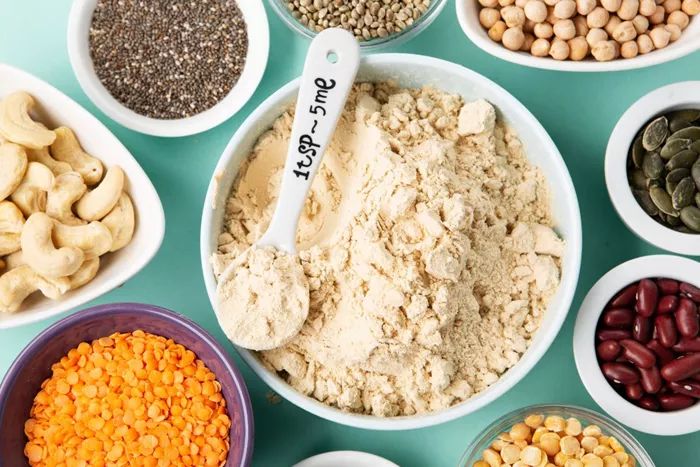
Review diet first. Teens usually meet protein needs through balanced meals that include lean meats, fish, eggs, beans, nuts, and dairy products.
Track protein intake. Guide teens to aim for ~1 g per kg of body weight—about 60–80 g for most teens.
Encourage whole foods. Avoid over‑reliance on bars or shakes that may lack fiber, vital nutrients, or contain added sugars and caffeine.
Stay vigilant for side effects. Watch for fatigue, stomach pain
You may also like
Prime Day 2025: Top Supplement Deals You Shouldn’t Miss
