
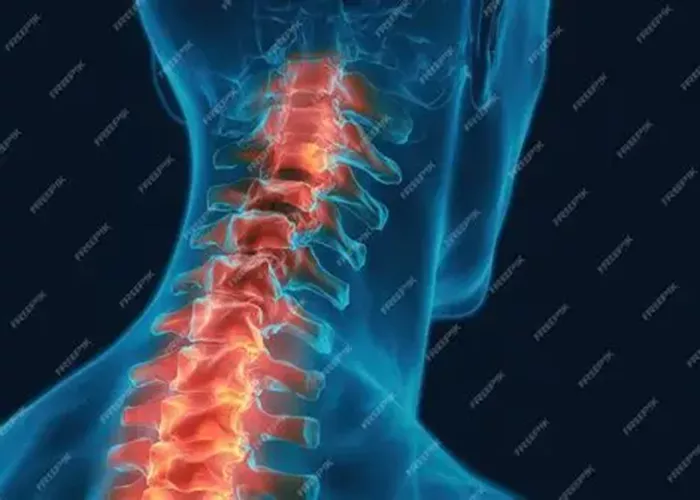
Cervical spondylosis is a chronic condition caused by long-term neck strain, disc degeneration, bone spurs, or ligament thickening, which compress the spinal cord, nerve roots, or blood vessels, triggering a range of symptoms. Both “over-activity”—such as excessive housework, heavy lifting, or intense weight training—and “inactivity”—like prolonged sitting, hunching over phones/computers, or binge-watching while slouching—raise risk.
Once seen as an age-related issue, cervical spondylosis now affects 40% of outpatients aged 20–30. A 19-year-old patient, for example, required surgery after long hours of hunching over phone games led to spinal cord compression, causing unsteady gait and lasting functional impairment.
Like “boiling a frog slowly,” cervical spondylosis often progresses unnoticed. Early signs—recurrent neck/shoulder soreness, “stiff neck,” or dizziness—are mistaken for minor issues.
Without intervention, it advances: Nerve root involvement: Numbness/tingling in fingers, arm pain, weakened grip, or electric-like sensations when turning the head.
Spinal cord damage(severe): Clumsiness (e.g., fumbling buttons, dropping dishes), “cottony” leg sensation while walking, or uneven temperature perception. Even minor trauma can cause paralysis in such cases. If symptoms appear, seek orthopedic care for X-rays or MRI scans promptly.
Prevention & Management
Protecting the neck relies mainly on self-care:
Proper posture: Sit upright; align computer screens with eye level and hold phones at eye height. Use ergonomic chairs, adjust car headrests, and avoid overly high pillows.
Regular movement: Rotate the neck every 30 minutes and stand/move hourly. Activities like running, jumping, or kite-flying benefit the neck.
Strengthen neck/back muscles
Bird-dog exercise or breaststroke: Do breaststroke 1–2 times/week (600 meters/session). For bird-dog, lift head/legs 5cm off the ground (1cm for seniors), hold 5 seconds, 60 reps daily.
Head-hand resistance: Cross hands behind the head, push against them gently for 5 seconds, 10 sets.
Treatment Options
Most cases improve with conservative measures: pain relievers (NSAIDs), nerve nutrients, gentle massage, doctor-supervised traction, acupuncture, or herbal therapy.
Surgery is needed for advanced stages: Minimally invasive procedures (nerve root blocks, radiofrequency ablation) or open surgery (anterior approach for 1–2 disc levels; posterior for multi-level issues). Spinal cord involvement requires urgent surgery to prevent permanent disability.
Don’t ignore early signs—prioritize neck health to avoid irreversible damage.
Related topics:
Surge in Nicotine Poisoning Among Babies and Toddlers Alarms Experts
Late-Night TV Watching Can Harm Brain Health, Doctor Warns
Charges Dropped Against Utah Doctor Accused in Vaccine Scheme
