
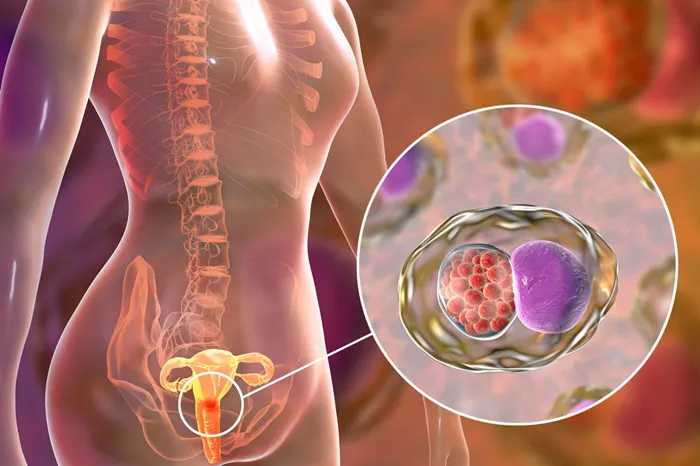
Chlamydia is one of the most common sexually transmitted infections (STIs) worldwide. While it often flies under the radar due to its silent symptoms, it can pose serious long-term risks to men’s health — particularly their fertility. Many men infected with chlamydia don’t even realize they have it. But untreated, this seemingly minor infection can cause lasting damage to the reproductive system. In this article, we’ll explore how chlamydia affects male fertility, why early detection matters, and what you can do to protect your reproductive health.
What Is Chlamydia and How Is It Transmitted?
Chlamydia is caused by the bacterium Chlamydia trachomatis. It’s primarily spread through vaginal, anal, or oral sex with an infected partner. What makes chlamydia particularly dangerous is that it often doesn’t cause noticeable symptoms — especially in men. That means it can linger in the body undetected, silently damaging the reproductive system over time.
How Chlamydia Can Affect Male Fertility
When left untreated, chlamydia can lead to a condition called epididymitis, which is inflammation of the epididymis — the tube at the back of the testicle that stores and carries sperm. In severe cases, the infection may spread to the testes themselves, potentially causing permanent damage.
Here’s how this damage can affect fertility:
- Scar tissue formation: Inflammation from infection can lead to scar tissue, which may block the flow of sperm.
- Reduced sperm quality: Chronic infection may damage sperm DNA or reduce motility.
- Obstructive azoospermia: In rare cases, chlamydia can completely block sperm from entering the semen, resulting in no sperm being present during ejaculation.
What Happens If Chlamydia Isn’t Treated?
Because most men don’t show symptoms, chlamydia often goes undiagnosed and untreated. This means the bacteria can linger in the reproductive tract, silently causing inflammation and damage over months or even years. Untreated chlamydia doesn’t just put you at risk of infertility — it also increases your chances of passing the infection to sexual partners.
Symptoms to Watch For
Although many men don’t experience symptoms, some may notice the following:
- Burning sensation during urination
- Discharge from the penis
- Pain or swelling in one or both testicles
- Rectal pain, discharge, or bleeding (for those engaging in receptive anal sex)
Even if these symptoms seem mild or temporary, they should not be ignored. Early treatment is key to preventing long-term complications.
Can Damage from Chlamydia Be Reversed?
If chlamydia is detected early, it’s easily treated with antibiotics. However, damage to the reproductive system caused by prolonged infection may not be fully reversible. That’s why timely diagnosis and treatment are so critical. Men who have had long-standing infections may need fertility evaluations if they’re trying to conceive without success.
How to Know If You’ve Been Affected
If you’ve had unprotected sex or multiple partners, it’s wise to get tested — even if you don’t have symptoms. A simple urine test or swab can detect chlamydia. If you’ve had chlamydia in the past, or suspect long-term exposure, speak with a urologist or fertility specialist. They can assess potential damage and recommend further testing, such as:
- Semen analysis to check sperm count and motility
- Ultrasound of the testes and epididymis
- Blood tests to assess hormone levels
Prevention: Protecting Your Fertility
Chlamydia is preventable. Practicing safe sex, using condoms consistently, and having open conversations with partners about STI testing can go a long way. Regular STI screenings — especially for sexually active men under 30 — are a smart and responsible step. If you test positive, encourage your partners to get tested and treated too.
What to Do If You’re Diagnosed
If you test positive for chlamydia, don’t panic. It’s treatable with a short course of antibiotics. But don’t delay treatment. Abstain from sex until treatment is completed and your healthcare provider confirms the infection is gone. Remember, even after treatment, some of the damage may be permanent if the infection was long-standing. That’s why follow-up care matters.
Long-Term Outlook
Most men who catch chlamydia early and get treated have no lasting issues. But if the infection is left to linger, it can leave a lasting impact on your fertility. If you’re trying to conceive and having trouble, a past STI like chlamydia could be a factor — even if you had no symptoms. Talk to a healthcare provider about fertility testing and treatment options if needed.
Don’t Let Embarrassment Risk Your Future
Sexual health is part of your overall health — and that includes fertility. There’s no shame in getting tested, and doing so could save your future self a lot of trouble. Early awareness and treatment are your best allies. So if there’s any chance you’ve been exposed, get tested. You might not feel anything now, but your fertility could thank you later.
Conclusion
Chlamydia is sneaky — often silent, but potentially serious. The good news is that with regular STI screening, honest conversations, and timely treatment, the risk of infertility can be dramatically reduced. If you care about your health, your future, and your ability to start a family someday, staying informed and proactive is key.
Frequently Asked Questions
1. Can chlamydia make a man permanently infertile?
Yes, in some cases. If left untreated, chlamydia can cause long-term damage to the epididymis or block sperm pathways, potentially leading to infertility.
2. How long can chlamydia stay in the body without symptoms?
Chlamydia can remain undetected for months or even years without symptoms. That’s why regular testing is important, especially if you’re sexually active with new or multiple partners.
3. Can male fertility recover after chlamydia treatment?
Sometimes. If treated early, full recovery is likely. But if there’s been long-term inflammation or scarring, fertility might be permanently affected. Semen analysis can help assess recovery.
READ MORE
