
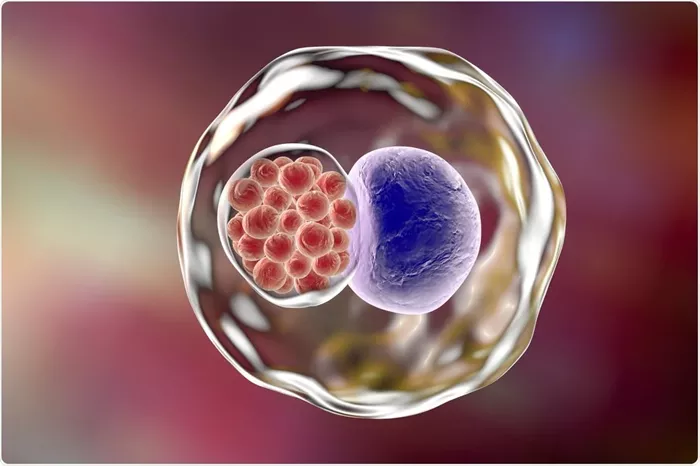
Chlamydia is one of the most common sexually transmitted infections (STIs) globally. While often discussed in relation to women’s health, its impact on men’s reproductive systems is just as serious—yet frequently overlooked. Many men with chlamydia show no symptoms, which makes early detection and treatment challenging. Left untreated, however, it can quietly damage the male reproductive system, leading to complications like infertility.
What Is Chlamydia and How Is It Transmitted?
Chlamydia is caused by the bacterium Chlamydia trachomatis. It spreads through vaginal, anal, or oral sex with an infected partner. The bacteria can infect the urethra, rectum, and even the throat. While some men may experience symptoms such as burning during urination, discharge, or pain and swelling in the testicles, up to 50% of infected men may not notice any signs at all.
How Chlamydia Affects Male Fertility
So, how exactly can chlamydia cause infertility in men? The answer lies in the inflammation and scarring that the infection can trigger in the male reproductive tract. If untreated, the bacteria can ascend from the urethra into other parts of the reproductive system, causing damage over time.
1. Epididymitis
One of the most serious complications in men is epididymitis—inflammation of the epididymis, the tightly coiled tube behind the testicles that stores and carries sperm. Chlamydia-induced epididymitis can cause swelling, pain, and potentially permanent scarring. This scarring can block sperm transport, reducing fertility or leading to infertility.
2. Orchitis
Orchitis, or inflammation of the testicles, can also result from untreated chlamydia. This condition may further damage sperm-producing tissues, affecting sperm quality and quantity.
3. Urethral Scarring and Obstruction
Chronic inflammation can also lead to scarring in the urethra, which impairs sperm delivery. Over time, this can cause reduced semen volume and poor sperm motility—both of which are risk factors for infertility.
Why Chlamydia Often Goes Undiagnosed
Because chlamydia often shows no clear symptoms in men, many don’t realize they’re infected. The bacteria can stay in the body silently, doing damage over time. Men might carry the infection for months or even years without knowing, during which time it can impair fertility and also be passed unknowingly to sexual partners.
How Is Chlamydia Diagnosed?
Testing for chlamydia is simple and non-invasive. A urine sample or a swab from the urethra can detect the bacteria. Regular STI screening is essential, especially for sexually active men under 30 or those with multiple partners. The CDC recommends annual screening for at-risk individuals.
Is Chlamydia-Related Infertility Reversible?
If chlamydia is caught early and treated with antibiotics, most men recover without lasting damage. However, if the infection causes scarring or inflammation in the reproductive tract, some damage may be permanent. In severe cases, assisted reproductive techniques like IVF or surgical sperm retrieval might be necessary.
Preventing Chlamydia and Protecting Fertility
The best way to protect yourself from chlamydia—and safeguard your fertility—is prevention and early testing. Here’s what men can do:
Use Protection Consistently
Condoms reduce the risk of transmitting or acquiring chlamydia. Always use protection during sex, especially with new or non-monogamous partners.
Get Regular STI Screenings
Don’t wait for symptoms to show. Regular testing helps detect and treat infections early, before they cause harm.
Communicate with Partners
Discuss sexual health openly with partners. Mutual testing before becoming sexually active can prevent future complications.
Seek Immediate Treatment
If you suspect an infection or experience symptoms, seek medical attention right away. Chlamydia is treatable with antibiotics—ignoring it can lead to permanent consequences.
Fertility Check: When to See a Doctor
If you’ve been trying to conceive for over a year without success, it’s time to consult a fertility specialist. Men with a history of untreated chlamydia, epididymitis, or frequent urinary tract infections should seek evaluation sooner. A semen analysis can help assess sperm health and determine if chlamydia-related damage may be a factor.
Conclusion
Chlamydia can silently threaten male fertility if left untreated. The good news? It’s preventable, treatable, and manageable—especially when caught early. Taking charge of your sexual health through regular screenings and honest communication with partners isn’t just about avoiding discomfort—it’s about protecting your future ability to start a family.
3 Most Asked FAQs About Chlamydia and Male Infertility
1. Can you still have children after having chlamydia?
Yes, if treated early. Most men who receive timely antibiotic treatment maintain their fertility. Delayed treatment, however, increases the risk of reproductive damage.
2. How long can chlamydia stay in a man’s body?
Chlamydia can remain in the body indefinitely if untreated, especially since many men show no symptoms. This is why regular STI testing is crucial.
3. Can a man give chlamydia to his partner without knowing?
Absolutely. Men can be asymptomatic carriers and unknowingly transmit the infection. Regular testing helps break the cycle of transmission.
Related topics:
