
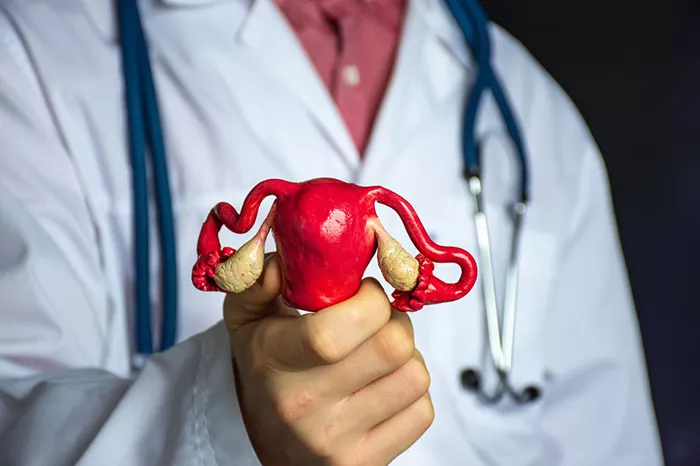
The uterus is a vital organ in a woman’s reproductive system. Sometimes, it can become larger than usual, a condition called an enlarged uterus. This can happen for many reasons, and it may affect women of all ages. Understanding what causes an enlarged uterus can help women take better care of their health and seek the right treatment when needed.
Understanding the Uterus and Its Size
The uterus, often called the womb, is a hollow, pear-shaped organ located in the pelvis. Its main job is to nurture a baby during pregnancy. Normally, the uterus is about the size of a fist, but its size can change during different life stages, such as pregnancy or menstruation. However, an enlarged uterus that is not related to pregnancy or normal changes might signal a health issue.
Common Causes of an Enlarged Uterus
1. Uterine Fibroids
Fibroids are non-cancerous growths that develop from the muscle tissue of the uterus. They are very common and can vary in size from tiny seeds to large masses. Fibroids can cause the uterus to stretch and enlarge. Symptoms may include heavy periods, pelvic pain, and pressure on the bladder or bowel.
2. Adenomyosis
Adenomyosis occurs when the tissue that normally lines the inside of the uterus grows into the muscle wall. This can make the uterus thicker and larger. Women with adenomyosis often experience heavy or painful periods and cramping. This condition is more common in women who have had children.
3. Uterine Polyps
These are small, benign growths attached to the inner wall of the uterus. While they usually don’t cause the uterus to enlarge significantly, large or multiple polyps might contribute to a slight increase in size. Polyps can cause irregular bleeding or spotting between periods.
4. Pregnancy
During pregnancy, the uterus naturally enlarges to hold and support the growing baby. This is a normal, healthy change. However, if a woman is not pregnant but has a uterus the size of a pregnancy, it may indicate other issues that need medical attention.
5. Cancer of the Uterus or Endometrium
Although less common, cancers of the uterus or the lining of the uterus (endometrium) can cause the uterus to enlarge. Symptoms may include abnormal bleeding, pain, or a feeling of fullness in the pelvis. Early diagnosis and treatment are very important in such cases.
6. Endometrial Hyperplasia
This condition involves a thickening of the uterine lining due to excess estrogen. It can cause the uterus to enlarge and may lead to heavy or irregular bleeding. It is sometimes a precursor to uterine cancer if left untreated.
7. Pelvic Inflammatory Disease (PID)
PID is an infection of the female reproductive organs. In some cases, it can cause swelling and inflammation that might make the uterus feel larger. Other symptoms include fever, pain, and unusual discharge.
8. Congenital or Structural Abnormalities
Some women are born with structural differences in their uterus, such as a bicornuate (heart-shaped) uterus. These variations may affect the size and shape but are usually diagnosed early and monitored.
Symptoms That May Accompany an Enlarged Uterus
An enlarged uterus can cause various symptoms, though some women may have no symptoms at all. Common signs include:
- Heavy or prolonged menstrual bleeding
- Pelvic or lower abdominal pain
- A feeling of fullness or pressure in the lower abdomen
- Frequent urination due to pressure on the bladder
- Difficulty emptying the bladder or bowel
- Pain during sex
How Is an Enlarged Uterus Diagnosed?
Doctors usually start with a medical history and physical exam. A pelvic exam can help detect changes in the size and shape of the uterus. To understand the cause, doctors may recommend imaging tests such as:
- Ultrasound: A common and painless test that uses sound waves to create images of the uterus.
- MRI (Magnetic Resonance Imaging): Provides detailed pictures and helps distinguish between different tissue types.
- Hysteroscopy: A procedure where a small camera is inserted through the cervix to look inside the uterus.
- Biopsy: Taking a small tissue sample from the uterine lining to check for abnormal cells.
Treatment Options for an Enlarged Uterus
Treatment depends on the cause, size of the uterus, symptoms, and the woman’s desire to have children. Some common treatments include:
Medications
Hormonal treatments can help manage symptoms, such as heavy bleeding or pain. These may include birth control pills, hormonal IUDs, or medications that shrink fibroids.
Minimally Invasive Procedures
Procedures like uterine artery embolization can block blood flow to fibroids, causing them to shrink. Endometrial ablation destroys the uterine lining to reduce bleeding.
Surgery
In some cases, surgery may be needed. Options include:
- Myomectomy: Removal of fibroids while keeping the uterus.
- Hysterectomy: Complete removal of the uterus. This is a permanent solution and ends menstruation and fertility.
Living with an Enlarged Uterus
Many women live well with an enlarged uterus, especially if symptoms are mild. Regular check-ups and communication with a healthcare provider are important. Lifestyle changes, such as maintaining a healthy weight and managing stress, may also help reduce symptoms.
Conclusion
An enlarged uterus can result from various causes, many of which are treatable. Knowing the possible reasons helps women understand their bodies better and seek timely medical care. If you notice symptoms like heavy bleeding or pelvic pain, talk to your doctor to find the best way to manage your health.
FAQs About Enlarged Uterus
1. Can an enlarged uterus cause infertility?
Yes, depending on the cause, an enlarged uterus may affect fertility. Conditions like large fibroids or severe adenomyosis can interfere with pregnancy. It’s important to consult a doctor if you have concerns about fertility.
2. Is an enlarged uterus always a sign of cancer?
No, an enlarged uterus is often caused by benign conditions like fibroids or adenomyosis. Cancer is less common but should be ruled out by a healthcare professional, especially if there are abnormal bleeding or pain symptoms.
3. Can lifestyle changes reduce uterine enlargement?
While lifestyle changes alone cannot shrink an enlarged uterus, maintaining a healthy diet, managing weight, and reducing stress may help ease symptoms. Always follow your doctor’s advice for treatment.
Related topics:
