
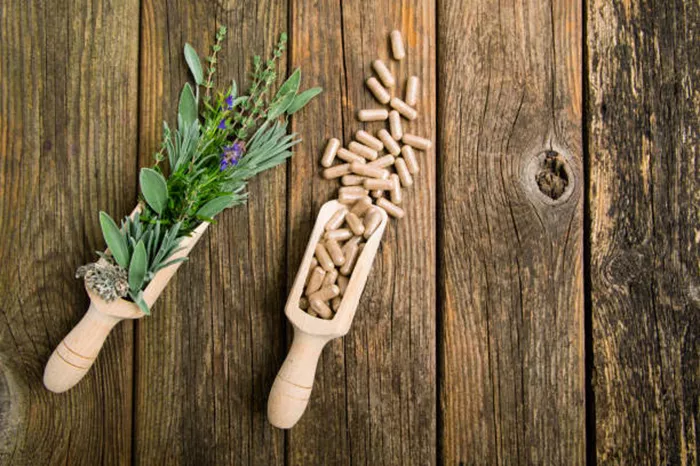
Menopause is a natural part of a woman’s life, but it can bring many uncomfortable symptoms. These changes affect daily life. Hot flashes, night sweats, and mood swings are common. Sage, a simple herb found in many kitchens, has been used to ease these symptoms for centuries.
What Is Menopause?
Menopause marks the end of a woman’s menstrual cycle. It usually happens between ages 45 and 55. It occurs when the ovaries stop producing estrogen and progesterone. These hormones help control the menstrual cycle and affect the whole body.
Without these hormones, women may feel physical and emotional changes. Symptoms include:
- Hot flashes
- Night sweats
- Vaginal dryness
- Sleep problems
- Memory issues
- Low mood or irritability
What Is Sage?
Sage is a plant with soft, gray-green leaves and a strong scent. It’s often used in cooking, especially in Mediterranean dishes. But sage is more than a flavor booster. It’s also used as a herbal remedy, especially in traditional medicine.
The Latin name for sage is Salvia officinalis. “Salvia” comes from a word that means “to heal.” That’s why people have trusted sage to support health for many years.
How Does Sage Help with Menopause?
Sage can help ease menopause symptoms in several ways. It works with the body’s natural systems and may help reduce the intensity and frequency of common symptoms.
1. Reduces Hot Flashes
Hot flashes are sudden feelings of warmth, often in the face and chest. They can be intense and disrupt daily life. Some women experience them many times a day. Research shows that sage may reduce how often hot flashes happen and how strong they feel.
Sage leaves contain natural compounds that can affect sweat glands and temperature control. This helps the body stay cooler and feel more stable.
2. Decreases Night Sweats
Night sweats are like hot flashes, but they happen during sleep. They can soak through clothes and sheets, making it hard to sleep well. Poor sleep affects energy, mood, and thinking during the day.
Sage has calming effects and may help regulate sweating. By helping the body stay cool, sage can support better sleep and reduce interruptions during the night.
3. Supports Mood and Memory
Many women notice mood changes during menopause. Some feel down, stressed, or anxious. Others have trouble remembering things or focusing. These changes can feel frustrating and scary.
Studies suggest that sage may help improve memory and focus. It may also help balance mood. It’s believed that sage works by supporting brain chemicals linked to calm thinking and happiness.
4. Aids Hormonal Balance
Even though sage doesn’t contain hormones, it may have mild estrogen-like effects. That means it can gently support the body when estrogen levels drop. This may ease many menopause symptoms at once.
Sage’s natural plant compounds, called phytoestrogens, mimic some effects of estrogen. They may help the body feel more balanced and reduce discomfort.
How to Use Sage for Menopause Relief
Sage is easy to find and simple to use. You can use dried sage, fresh leaves, or supplements. Here are common ways to take sage:
1. Sage Tea
Sage tea is calming and easy to make. Simply steep one teaspoon of dried sage or a few fresh leaves in hot water for 10 minutes. Drink it once or twice a day. Many women say this helps them feel more relaxed and reduces hot flashes.
2. Sage Supplements
Sage extract is available in pills or liquid drops. These are stronger than tea and often used for more serious symptoms. Always follow the directions on the label and talk to a healthcare provider before starting any supplement.
3. Cooking with Sage
Adding sage to your meals is another gentle way to enjoy its benefits. Use it in soups, stews, or roasted vegetables. While it may not be strong enough alone to reduce symptoms, it can still support your health in small ways.
Scientific Evidence on Sage and Menopause
Several studies show that sage may help ease menopause symptoms. One study published in the journal Advances in Therapy followed women who took sage extract daily. After 8 weeks, hot flashes decreased by 64%. Night sweats and mood swings also improved.
Another study in Phytotherapy Research found that sage improved memory and mental clarity in middle-aged women. Researchers believe sage may help the brain work better during menopause.
Are There Any Side Effects?
Sage is safe for most people when used in small amounts. But too much can cause problems. Some types of sage contain a chemical called thujone. In high doses, thujone can be toxic and cause seizures.
To stay safe, do not take sage oil or large amounts of concentrated sage for long periods. Always talk to your doctor before starting any herb, especially if you take medications or have a health condition.
Who Should Avoid Sage?
Some people should avoid sage or use it carefully:
- People with epilepsy
- Pregnant or breastfeeding women
- Those taking hormone therapy or medications for seizures
Check with a healthcare provider before using sage in these situations.
Combining Sage with Other Natural Remedies
Sage works well with other gentle herbs and lifestyle habits. Here are some tips:
- Drink red clover tea or black cohosh for more hormonal support
- Exercise regularly to improve mood and sleep
- Eat a balanced diet rich in whole grains, fruits, and leafy greens
- Practice stress reduction, such as yoga or meditation
When to See a Doctor
If your menopause symptoms are very strong, it’s best to talk to your doctor. Herbs like sage can help, but sometimes hormone replacement therapy (HRT) or other treatments are needed. Always share your symptoms and treatment plans with your healthcare provider.
FAQs
1. How long does it take for sage to work for menopause symptoms?
Some women feel results within a few days, but most see improvement in 2 to 4 weeks. It depends on your body and how you use sage. Tea may work slower than a supplement.
2. Can I take sage with other menopause treatments?
Yes, but talk to your doctor first. Sage is natural, but it can still interact with medicines or hormone therapy. It’s important to create a safe plan together.
3. Is sage safe to take every day?
Moderate amounts of sage tea or standard supplements are usually safe. Avoid high doses or essential oils unless your doctor recommends them. Always follow the label instructions.
Conclusion
Sage is a gentle herb that may bring comfort during menopause. It may help cool hot flashes, ease mood changes, and improve memory. With simple use and the right care, sage can become part of a natural and soothing support plan for women in midlife.
Related topics:
