
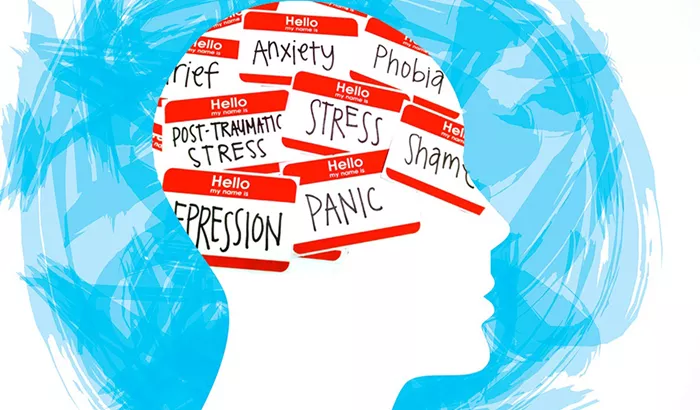
Mental health has become one of the most urgent public health challenges in the United States. In 2025, more Americans than ever are living with mental illnesses—ranging from anxiety and depression to bipolar disorder and schizophrenia. Understanding how many people are affected, what conditions are most common, and how to seek help is essential to building a healthier society.
This article will explain the current mental health statistics in America, break down the most common disorders, introduce some mental health screening tools, and offer professional advice on how to manage and treat these conditions.
Understanding Mental Illness
Mental illness is a broad term that includes many different conditions. These affect a person’s thinking, feeling, mood, or behavior. Mental health problems can be short-term or long-term and can affect anyone regardless of age, race, income, or background.
Types of Mental Illness
- Depression
- Anxiety Disorders
- Bipolar Disorder
- Schizophrenia
- Post-Traumatic Stress Disorder (PTSD)
- Obsessive-Compulsive Disorder (OCD)
- Eating Disorders
- Substance Use Disorders
Mental Health Statistics in America: 2025 Overview
According to the most recent data from national health surveys and mental health organizations, approximately 1 in 5 American adults—or about 54 million people—are experiencing a mental illness in 2025.
Breakdown by Type of Disorder
- Depression: Affects nearly 21 million adults
- Anxiety Disorders: Impact over 40 million people
- Bipolar Disorder: Around 6 million Americans are affected
- Schizophrenia: An estimated 1.5 million people live with this condition
- PTSD: About 12 million adults are diagnosed
Children and Teenagers
Roughly 17% of children aged 6–17 have a mental health disorder. That’s about 7.7 million young people. The most common issues include anxiety, depression, ADHD, and behavior disorders.
Gender Differences
- Women: More likely to experience anxiety and depression
- Men: More likely to die by suicide or develop substance use disorders
What Causes Mental Illness?
There is no single cause for mental illness. It is usually the result of a mix of factors:
- Genetics: Family history of mental illness can increase risk
- Brain chemistry: Imbalance in neurotransmitters
- Trauma: Physical or emotional abuse, neglect, or violence
- Life circumstances: Stress, isolation, unemployment, financial problems
- Substance abuse: Alcohol and drugs can trigger or worsen symptoms
Recognizing the Warning Signs
It’s important to know the signs of mental illness so that you can get help early. Common symptoms include:
- Persistent sadness or hopelessness
- Withdrawal from friends or activities
- Changes in eating or sleeping patterns
- Irritability or mood swings
- Fatigue or lack of energy
- Difficulty concentrating
- Thoughts of self-harm or suicide
Mental Health Screening Tools
There are simple, confidential tests that you can take online or with a healthcare provider. Here are a few examples:
Depression Test (PHQ-9)
A short questionnaire that helps identify the severity of depression symptoms.
Anxiety Test (GAD-7)
This test evaluates levels of worry, restlessness, and physical symptoms of anxiety.
PTSD Screening
Useful for those who’ve experienced trauma and want to know if it’s affecting their mental health.
Mental Health America Screenings
A reliable resource offering multiple screening tools for various disorders.
Professional Treatment Options
Many people feel overwhelmed when they start thinking about treatment. But there are many effective ways to manage mental illness. Treatment doesn’t always mean taking medication. Often, a combination of therapies works best.
Psychotherapy (Talk Therapy)
This involves talking to a licensed mental health professional. Types of therapy include:
- Cognitive Behavioral Therapy (CBT): Helps people recognize and change harmful thought patterns
- Dialectical Behavior Therapy (DBT): Commonly used for borderline personality disorder and self-harm
- Trauma-focused Therapy: Effective for PTSD
Medication
Some conditions respond well to prescription medication. Common types include:
- Antidepressants (for depression and anxiety)
- Antipsychotics (for schizophrenia and bipolar disorder)
- Mood stabilizers (for bipolar disorder)
Support Groups
Joining a support group can help people feel less alone. You get to share your story and hear others who are going through similar things. There are groups for almost every condition, both in person and online.
Hospitalization and Crisis Care
In severe cases, hospitalization may be necessary to ensure safety. Crisis hotlines and mobile mental health teams also offer immediate help.
Practical Tips for Everyday Mental Health
Good mental health doesn’t happen overnight. Here are some small steps you can take every day:
- Stay active: Exercise helps reduce stress and boost mood
- Eat well: Balanced nutrition supports brain health
- Get enough sleep: Poor sleep worsens mental health symptoms
- Limit alcohol and drugs: These can worsen anxiety and depression
- Talk to someone: Don’t keep your feelings bottled up
- Practice mindfulness: Techniques like meditation can calm the mind
Reducing Stigma: A Shared Responsibility
One major barrier to treatment is the stigma surrounding mental health. People may feel ashamed or fear being judged. But mental illness is just like any other medical condition. It deserves attention, care, and support.
We all can help reduce stigma by:
- Speaking openly about mental health
- Using respectful and accurate language
- Supporting friends or family members who are struggling
Conclusion
Mental illness affects millions of Americans in 2025. If you’re struggling, know that you are not alone. Help is available, and recovery is possible. Whether it’s talking to a friend, using an online screening test, or reaching out to a therapist, every step you take matters.
Remember, mental health is health. Prioritizing your well-being is one of the most important things you can do—for yourself and for those you love.
FAQs
1. What percentage of Americans have a mental illness in 2025?
About 20% of American adults—or roughly 54 million people—are living with a mental illness in 2025.
2. How can I know if I have a mental illness?
You can start by taking an online screening test or talking to a mental health professional. Common signs include sadness, anxiety, changes in behavior, and trouble functioning in daily life.
3. What is the best treatment for mental illness?
The best treatment depends on the person and the disorder. It may include therapy, medication, lifestyle changes, or a combination of all three.
Read more:
