
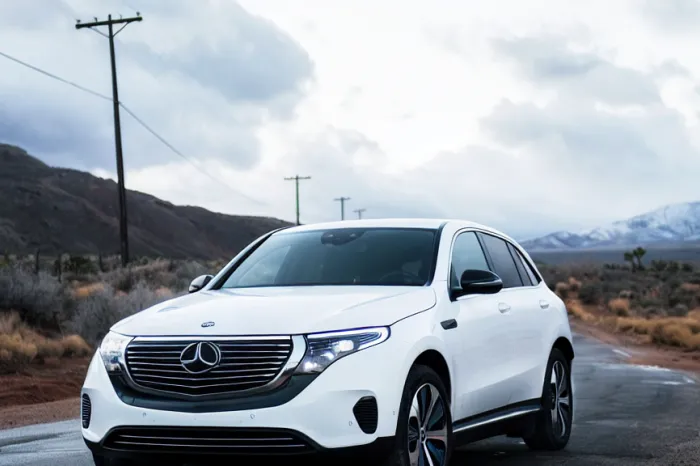
Mercedes-Benz has reported a robust retail sales performance in the first quarter of 2026, demonstrating resilience amid global market challenges and strategic adjustments. In the United States alone, Mercedes-Benz USA sold 78,500 vehicles, comprising 70,000 passenger cars and 8,500 vans. This strong showing was largely fueled by high demand for their SUV lineup, particularly the GLC, GLE, and GLS models, which together accounted for 61% of passenger car sales and posted a combined growth of 22% compared to the previous year.
The brand’s top-end models also experienced notable gains. The G-Class recorded a 16% increase in sales, while the SL model surged by 47%. Mercedes-AMG vehicles saw a 3% rise in retail deliveries year-to-date, and Maybach sales climbed by 22%, signaling sustained interest in the luxury segment. The Alabama-built GLE contributed significantly to growth with a 19% year-over-year increase, highlighting the importance of local production facilities in Mercedes’ strategy.
Globally, the Mercedes-Benz Group reported total sales of 499,700 cars and vans during the same period. Despite a challenging market environment marked by a steep decline in Chinese sales—down 27% due to intense competition and ongoing model transitions—the company saw solid gains in Europe and the United States. European markets enjoyed a 7% increase in volumes, while U.S. sales grew by 20%, reflecting successful dealer network efforts and strong product appeal.
Mercedes-Benz’s compact luxury segment is also thriving, particularly with the redesigned CLA model. In Europe, CLA sales soared by 127% in early 2026, reaching over 13,000 units within just two months. This surge helped boost premium compact car segment sales by 13% year-over-year. The CLA now holds nearly 40% market share in Europe’s premium compact class, outperforming competitors such as BMW and Audi. The electric and hybrid versions of the CLA have contributed significantly to this success.
This marked improvement contrasts with Mercedes’ previous strategy that prioritized luxury exclusivity over volume growth. In recent years, Mercedes had focused on higher profit margins through top-end models while reducing emphasis on entry-level vehicles. However, facing changing market realities including tariff pressures and shifting consumer preferences, Mercedes-Benz has pivoted towards expanding volume across multiple segments. The company aims to reach two million annual vehicle sales within five years, up from 1.8 million in recent years.
Key to this strategy is balancing luxury appeal with broader accessibility. Production efficiencies have improved through expanded manufacturing capacity in Hungary and Alabama, where costs are lower than in Germany. Additionally, Mercedes-Benz plans ongoing job cuts to streamline operations and maintain competitive pricing without compromising quality.
Looking ahead, Mercedes-Benz continues to launch new models including electrified versions of their popular SUVs and sedans. The brand celebrates its 140th anniversary this year with special events highlighting its heritage and innovation milestones. With renewed focus on both luxury performance and mainstream premium offerings, Mercedes-Benz aims to strengthen its position globally amid evolving automotive trends.
