
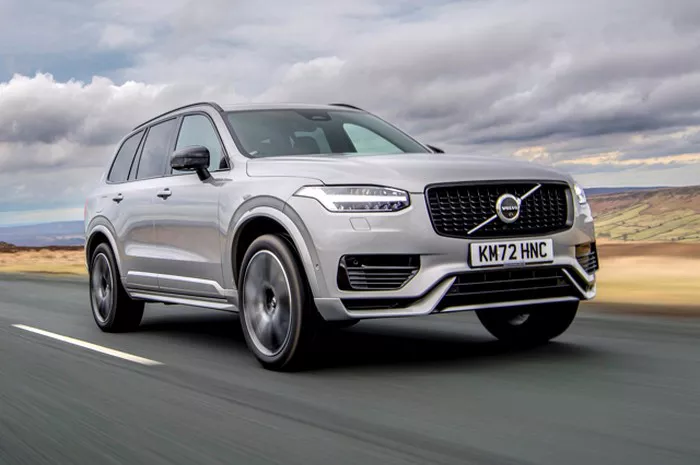
Volvo is accelerating its transition toward software-defined vehicles, a strategy that allows the automaker to continually upgrade its cars through software rather than relying solely on hardware changes. As part of this approach, the company plans to deliver software updates every three months to Volvo vehicles built from 2020 onward, ensuring features and performance improvements can continue long after the cars leave the factory.
The upcoming Volvo EX60 electric SUV represents a major step in this direction. While the model introduces the latest developments in Volvo’s software-driven architecture, it is not the first vehicle in the lineup to benefit from the company’s evolving digital ecosystem.
For more than five years, Volvo has been producing cars capable of receiving over-the-air (OTA) updates. This capability enables the automaker to roll out improvements, introduce new features, and refine existing systems without requiring drivers to visit a dealership.
According to Alwin Bakkenes, Volvo’s head of software engineering, the company builds what he describes as a “superset” of software—a master version that can be adapted for multiple vehicles and hardware configurations. This unified software foundation has been in place since 2020 and helps Volvo maintain consistency across its product range.
“It’s not like we have hundreds of engineers coding the same thing repeatedly just to make it look identical,” Bakkenes explained. “The same code and implementation from the superset are applied to the product-specific variant.”
The approach also allows Volvo to deploy the same core software across vehicles with different hardware capabilities. Bakkenes noted that earlier models used Intel chips with limited memory, while newer vehicles feature far more powerful processors and larger memory capacity.
“In 2020, we had a certain chip from Intel with a certain amount of memory. Today we have a much more powerful chip with much more memory, yet we deploy the same software to both,” he said. “That requires rigorous testing and optimization to ensure it works properly across the range.”
In some cases, certain features may be disabled on older hardware if performance limitations prevent them from running effectively. Continuous testing ensures each vehicle variant receives a version of the software that functions smoothly on its specific system configuration.
This careful optimization also helps Volvo avoid a common issue faced by many smartphones and laptops, where new software updates can slow down older devices because they were not designed with earlier hardware in mind.
By maintaining compatibility through its superset software model, Volvo aims to ensure its vehicles remain responsive and capable throughout their lifecycle.
For owners, the result could be regular improvements delivered directly to their vehicles. With new updates scheduled roughly every three months, Volvo drivers may frequently discover new features, performance enhancements, or refinements appearing in their cars long after purchase.
