
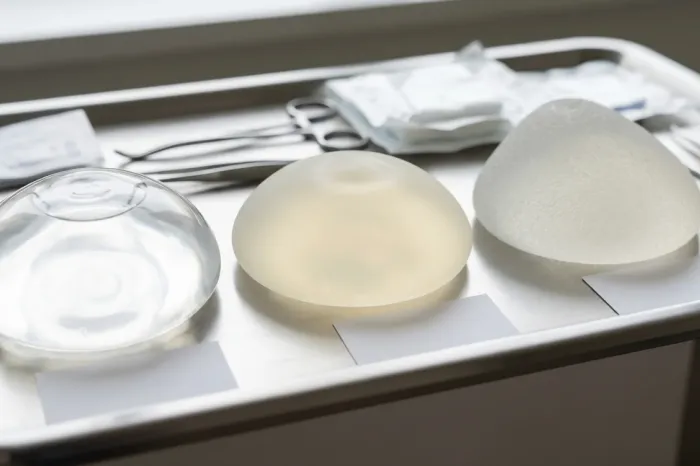
Breast implants are a popular choice for individuals seeking to enhance their breast size, shape, or symmetry. Whether for cosmetic reasons or reconstruction after a mastectomy, implants can offer long-lasting results and boost self-confidence. However, a common question many people ask before getting breast implants is, “How long do breast implants last?” Understanding the lifespan, potential complications, and maintenance of breast implants is crucial for anyone considering this procedure.
What Are Breast Implants?
Breast implants are medical devices surgically placed under the breast tissue or chest muscles to increase breast volume or restore breast shape. There are mainly two types of breast implants:
- Saline implants: Filled with sterile salt water, these implants can be adjusted in size and offer a uniform shape.
- Silicone implants: Filled with a silicone gel that mimics the feel of natural breast tissue, these are popular for a more natural look.
The Average Lifespan of Breast Implants
Contrary to popular belief, breast implants are not designed to last a lifetime. On average, most breast implants last between 10 to 20 years. Some may last longer without issues, while others may need replacement earlier due to complications.
The lifespan of implants depends on several factors, including:
- Type of implant: Silicone implants often last longer than saline implants, but both require monitoring.
- Placement technique: Implants placed under the chest muscle may have a longer lifespan and lower risk of complications.
- Body’s natural changes: Weight fluctuations, pregnancy, and aging can affect the shape and integrity of implants.
- Lifestyle factors: Smoking, excessive sun exposure, and trauma can influence implant longevity.
Signs That Breast Implants May Need Replacement
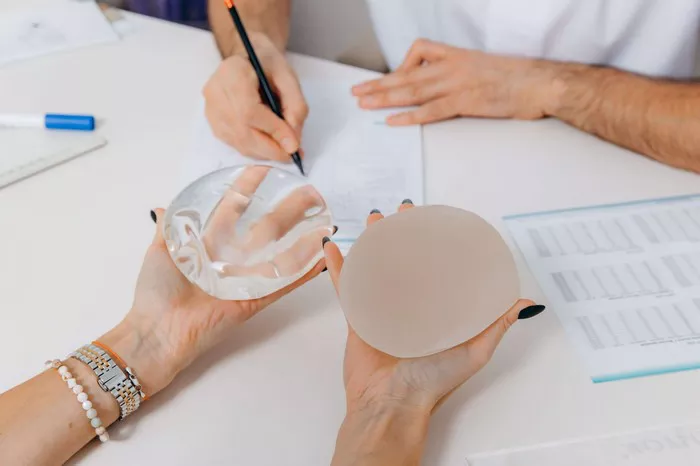
Even if breast implants are functioning well, there are situations when replacement may be necessary. Common signs include:
- Rupture or leakage: Saline implants will deflate quickly if ruptured, while silicone implants may have a “silent rupture” that requires imaging to detect.
- Capsular contracture: The formation of tight scar tissue around the implant, causing hardening or discomfort.
- Changes in breast shape: Sagging, asymmetry, or shifting of the implant over time.
- Persistent pain or discomfort: Unexplained pain may indicate a problem with the implant or surrounding tissue.
Monitoring Your Breast Implants
Regular monitoring is essential to ensure breast implants remain safe and aesthetically pleasing. Recommended monitoring practices include:
- Self-examination: Check for changes in shape, firmness, or lumps monthly.
- Clinical check-ups: Annual visits to a plastic surgeon help detect early issues.
- Imaging tests: MRI or ultrasound is recommended, especially for silicone implants, every 2 to 3 years.
Potential Complications Over Time
Implant Rupture
Rupture is one of the most common reasons implants need replacement. Saline implants deflate quickly, making rupture noticeable. Silicone implants may not show visible signs, which is why imaging is important.
Capsular Contracture
Capsular contracture occurs when scar tissue forms tightly around the implant, causing hardness or distortion. It may require surgery to correct.
Breast Implant-Associated Illnesses
In rare cases, implants may be linked to systemic symptoms like fatigue, joint pain, or autoimmune issues. Removing or replacing implants often alleviates these symptoms.
Rippling or Wrinkling
Over time, the outer shell of the implant may show ripples or wrinkles, which can be more noticeable in saline implants or thinner breast tissue.
Changes Due to Aging or Life Events
Pregnancy, breastfeeding, weight changes, and aging can affect breast appearance and implant position, sometimes requiring revision surgery.
How to Extend the Life of Breast Implants
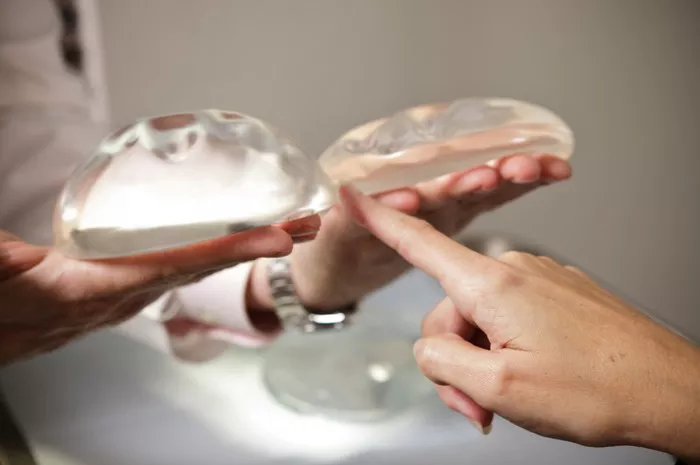
Although implants may need replacement eventually, you can take steps to extend their lifespan:
- Choose a reputable surgeon: Proper surgical technique reduces risk of complications.
- Follow post-operative care instructions: Avoid heavy lifting or strenuous activities until fully healed.
- Maintain a healthy lifestyle: Balanced diet, exercise, and avoiding smoking help your body recover and adapt to implants.
- Regular monitoring: Keep up with check-ups and imaging as recommended.
Replacement and Revision Surgery
Eventually, most breast implants will need replacement or revision surgery. Revision surgery can involve:
- Replacing the implant with a new one.
- Changing the implant type or size.
- Correcting asymmetry or capsular contracture.
- Adjusting placement for aesthetic improvement.
Factors Influencing Replacement Timing
The timing for implant replacement varies greatly. Factors include:
- Implant type and manufacturer
- Individual healing and body response
- Occurrence of complications like rupture or contracture
- Changes in personal preference or aesthetics
FAQs About Breast Implant Longevity
Q1: Do breast implants last forever?
No. Breast implants are not lifetime devices. Most last 10 to 20 years, but many may need replacement earlier due to complications or personal preference.
Q2: How will I know if my implant has ruptured?
Saline implant ruptures are usually obvious as the breast deflates. Silicone implant ruptures may be silent, requiring MRI or ultrasound for detection.
Q3: Can lifestyle affect implant longevity?
Yes. Smoking, excessive sun exposure, rapid weight changes, or trauma to the chest area can increase the risk of complications and reduce implant lifespan.
Q4: Is revision surgery complicated?
Revision surgery is generally safe and similar to the initial procedure. Recovery may be slightly quicker if implants are being replaced rather than newly inserted.
Q5: Should I wait until my implants fail to replace them?
Not necessarily. Many choose to replace implants for aesthetic reasons, lifestyle changes, or preventative care, even if they are still intact.
Q6: How can I prevent capsular contracture?
Proper surgical technique, choosing the right implant type, and following post-operative care instructions reduce the risk of capsular contracture.
Q7: Are there warning signs I should watch for?
Changes in breast shape, hardness, pain, lumps, or sudden asymmetry should prompt a consultation with a plastic surgeon.
Q8: How often should I get imaging for silicone implants?
Most surgeons recommend MRI or ultrasound every 2 to 3 years to detect silent ruptures in silicone implants.
Conclusion
Breast implants can provide long-lasting results, but they are not permanent. On average, implants last between 10 and 20 years, though individual experiences vary. Regular monitoring, healthy lifestyle habits, and timely medical consultations can help ensure your implants remain safe and visually appealing. Understanding the potential complications and signs of implant issues allows you to make informed decisions about replacement or revision surgery, maintaining both your health and confidence for years to come.
