
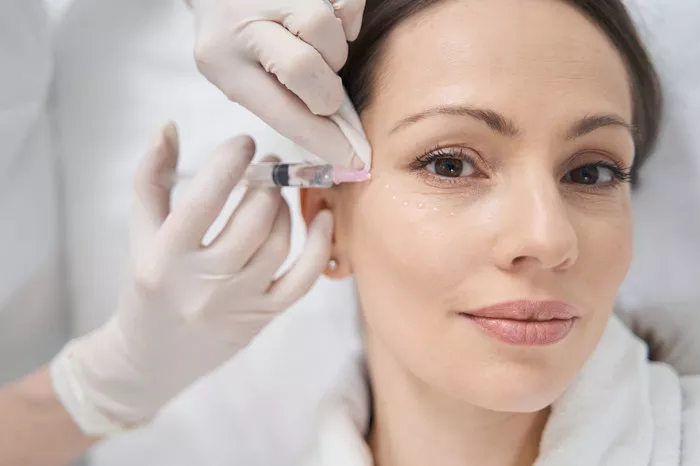
A liquid facelift is a non-surgical cosmetic procedure designed to rejuvenate the face, reduce signs of aging, and restore a youthful appearance. Unlike traditional facelifts that require surgery, a liquid facelift uses injectable treatments, such as dermal fillers and botulinum toxin (Botox), to enhance facial contours, smooth wrinkles, and improve skin texture. This procedure has become increasingly popular due to its minimal downtime, quick results, and natural-looking improvements.
How Does a Liquid Facelift Work?
A liquid facelift works by strategically injecting substances into the face to lift, plump, and smooth areas that show signs of aging. The two main types of injections used are:
Dermal Fillers
Dermal fillers are gel-like substances made from hyaluronic acid, calcium hydroxylapatite, or poly-L-lactic acid. They restore volume to areas that have lost fullness due to aging, such as the cheeks, under-eye area, and jawline. Fillers can also smooth out deep wrinkles, nasolabial folds, and marionette lines, giving the face a more youthful and lifted appearance.
Botulinum Toxin (Botox)
Botox works by temporarily relaxing the muscles that cause dynamic wrinkles, such as frown lines, crow’s feet, and forehead lines. By reducing muscle activity, Botox smooths the skin and complements the volumizing effects of dermal fillers.
Benefits of Liquid Facelift
Liquid facelifts offer several advantages compared to surgical facelifts:
Non-Surgical
Since liquid facelifts do not require incisions or anesthesia, the procedure is less invasive. There is no need for stitches, and the risk of surgical complications is minimized.
Minimal Downtime
Patients can return to their daily activities immediately or within a few hours after treatment. Mild swelling, redness, or bruising may occur, but it typically resolves within a few days.
Customizable Results
Each liquid facelift is tailored to the patient’s needs. Practitioners can target specific areas of the face to achieve the desired effect, whether it’s lifting the cheeks, enhancing the lips, or softening wrinkles.
Natural-Looking Improvements
By restoring volume and smoothing lines subtly, liquid facelifts provide a natural-looking result. Unlike some surgical facelifts that may appear dramatic or “tight,” liquid facelifts maintain facial expression and movement.

Who is a Good Candidate for a Liquid Facelift?
Not everyone is suitable for a liquid facelift. Ideal candidates are individuals who:
- Want to reduce signs of aging without surgery.
- Have mild to moderate wrinkles and sagging.
- Are in good overall health.
- Have realistic expectations about the results.
People with severe sagging or significant skin laxity may require a surgical facelift for optimal results. A consultation with an experienced cosmetic practitioner is essential to determine the best treatment plan.
The Procedure: Step by Step
A liquid facelift typically follows these steps:
1. Consultation
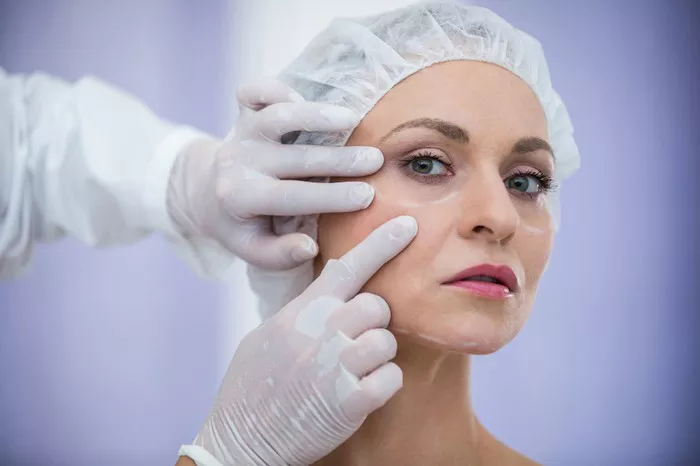
The practitioner evaluates the face, discusses goals, and develops a personalized treatment plan. Photos may be taken to track changes.
2. Preparation
The face is cleaned, and a topical numbing cream may be applied to reduce discomfort. Some fillers also contain lidocaine, which provides local anesthesia.
3. Injections
Fillers and Botox are carefully injected into targeted areas using fine needles. The practitioner may massage or mold the filler to ensure even distribution and natural results.
4. Recovery
Most patients experience minimal downtime. Mild swelling, redness, or bruising is normal and usually resolves within a few days. Patients can resume normal activities immediately, though strenuous exercise is generally avoided for 24-48 hours.
Results and Longevity
Results from a liquid facelift are noticeable immediately after treatment, especially for volume restoration. Botox results appear within 3-7 days, while fillers provide instant improvement. The effects of a liquid facelift are temporary, typically lasting:
- Dermal fillers: 6 to 18 months, depending on the type and area treated.
- Botox: 3 to 6 months before muscle activity gradually returns.
Regular maintenance sessions are required to sustain the results. Patients can combine treatments or adjust the plan over time to maintain a youthful appearance.

Risks and Side Effects
While liquid facelifts are generally safe, some risks and side effects exist. Common side effects include:
- Mild swelling, redness, or bruising at the injection site
- Temporary tenderness or discomfort
- Minor asymmetry (usually correctable)
Serious complications are rare but may include infection, allergic reaction, or vascular compromise if fillers are inadvertently injected into blood vessels. Choosing a qualified and experienced practitioner significantly reduces risks.
Cost of a Liquid Facelift
The cost of a liquid facelift varies depending on the products used, the number of areas treated, and the expertise of the practitioner. On average, the price ranges from:
- $1,500 to $3,500 per session for dermal fillers
- $200 to $600 per Botox area
Since results are temporary, multiple sessions over time are necessary to maintain the appearance, which should be considered when budgeting for treatment.
FAQs About Liquid Facelift
1. How long does a liquid facelift take?
The procedure usually takes 30 to 60 minutes, depending on the number of areas treated.
2. Is a liquid facelift painful?
Most patients experience minimal discomfort. Topical numbing cream and fillers containing lidocaine help reduce pain.
3. Can I combine a liquid facelift with other treatments?
Yes. Many patients combine a liquid facelift with laser treatments, chemical peels, or skin tightening procedures for enhanced results.
4. When will I see results?
Fillers provide immediate improvement, while Botox results appear within 3-7 days. Full results may take a few weeks as swelling subsides.
5. Are liquid facelifts safe?
Yes, when performed by an experienced practitioner. Risks are minimal but can be reduced further by choosing a qualified provider and following aftercare instructions.
6. How often should I repeat the procedure?
Results last 6-18 months for fillers and 3-6 months for Botox. Maintenance treatments are needed to sustain the effects.
7. Who is not a candidate for a liquid facelift?
Individuals with severe skin laxity, active infections, certain medical conditions, or unrealistic expectations may not be suitable. A consultation is necessary to determine candidacy.
Conclusion
A liquid facelift is a versatile, non-surgical alternative to traditional facelifts. By using dermal fillers and Botox, it can restore volume, smooth wrinkles, and enhance facial contours, offering natural-looking, youthful results. With minimal downtime and customizable treatment plans, it has become a popular choice for those seeking facial rejuvenation without surgery. Consulting a qualified practitioner ensures safety, optimal results, and a treatment plan tailored to individual needs.
