
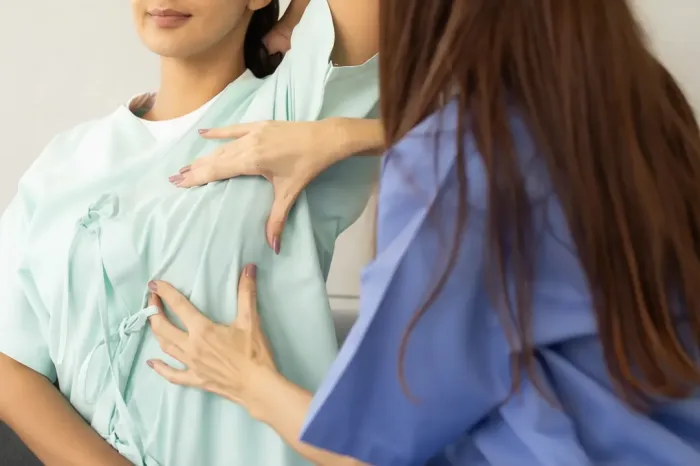
Medical professionals are urging women to start breast cancer screenings at age 40, reflecting new guidelines that point to an increase in cases among younger women. Previously, there was debate about when to begin mammograms. For over a decade, some organizations recommended screening at age 50 due to concerns about false positives. However, updated advice now recommends starting at 40, highlighting research that earlier detection can save lives.
In recent years, the number of women aged 40 to 49 diagnosed with invasive breast cancer has been rising steadily. Experts say that starting screenings sooner is crucial to catching cancer early, especially because trends show more cases in this age group. Doctors are also looking closely at each patient’s personal and family medical history to determine whether someone should start screenings even before the age of 40.
To encourage women to prioritize their health, hospitals like Woman’s Hospital in Louisiana have launched initiatives such as the “Mammogram Mambo.” This event aims to remind women to schedule checkups throughout the year, rather than only during breast cancer awareness month in October. The hospital provides mammograms in various clinics and even offers mobile screening services to reach more people in the community.
Doctors also emphasize that breast cancer prevention starts well before age 40. Adopting healthy lifestyle habits in the teens and twenties—such as eating a balanced diet, exercising regularly, managing stress, and getting enough sleep—can help lower cancer risk. Reducing exposure to known cancer-causing agents, like tobacco and alcohol, is also important. Experts point out that maintaining good metabolic health can reduce not only cancer risks but also those for heart disease and diabetes.
Women are encouraged to learn about their own cancer risks through online assessments that take into account family history, genetic factors, and other personal health information. This helps them decide the best time to start screenings and advocate for their own health needs during medical visits. Doctors stress that understanding one’s own body and risk factors empowers women to seek timely checkups and necessary screenings, ultimately improving their chances for early detection and better outcomes.
