
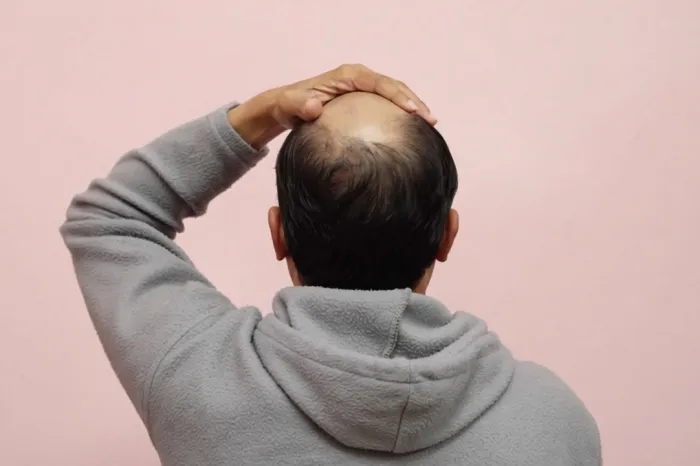
Recent scientific progress is offering new hope for those experiencing hair loss, as researchers shift their attention from hair replacement to waking up dormant hair follicles. For years, many treatments have promised to restore hair, but results were often disappointing. Now, the emphasis is on finding methods that stimulate the body’s own follicles to begin producing hair again.
A United States biotechnology company called Pelage is leading one of the most promising developments in this area. The company is testing a topical treatment, known as PP405, which targets stem cells located in hair follicles. These cells fall into a resting state and do not produce new hair as they should. Pelage’s Chief Medical Officer, Dr. Christina Weng, has reported that early human trials have returned very encouraging results. Unlike surgeries or injections, this new treatment is a gel or cream that people can apply at home, making it a convenient and less invasive option.
Baldness has a number of causes, including aging, stress, hormonal changes, and genetics. Of particular interest is the role of a hormone called DHT (dihydrotestosterone), which can shorten the hair’s growth cycle and cause hair strands to become thinner. While some experts have experimented with blocking DHT by affecting testosterone, this has risks because testosterone supports many vital functions in the body. Instead, researchers are looking for safer and more natural methods to boost hair growth.
In addition to pharmaceutical innovations, scientists are investigating therapies that use the body’s natural regenerative ability. Some early experiments have involved injecting stem cells, but this process is expensive, complicated, and does not always provide lasting results. Because of these challenges, many researchers are now exploring topical treatments that make use of the chemical signals cells release. These signals can prompt follicles to enter the hair-growing phase more reliably and without major interventions.
One simple yet intriguing approach involves a sugar called 2-deoxy-D-ribose, which has successfully promoted hair regrowth in mice. Researchers in Pakistan and the UK have found results comparable to popular treatments like minoxidil, and they plan to test these findings in humans soon. The field now favors slow, careful progress guided by knowledge of hair follicle biology, hoping that this commitment to understanding and safety will eventually result in more effective therapies for hair loss.
