
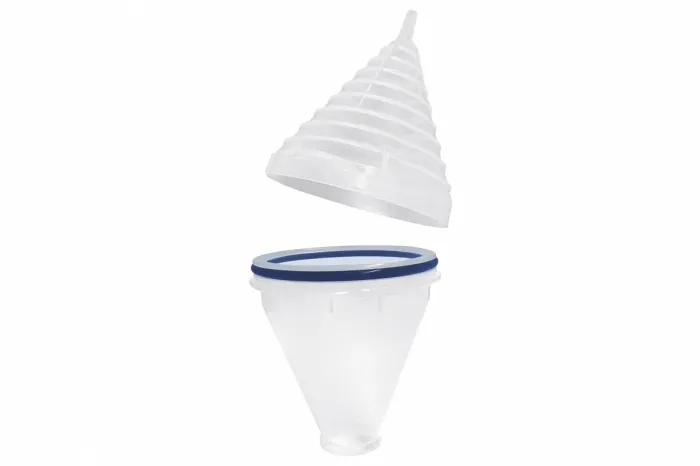
A newly developed breast implant removal device, Explant Express®, has received FDA 510(k) clearance, marking a significant step forward in medical technology for plastic and reconstructive surgeons. The device is specifically designed to assist surgeons in removing ruptured breast implants, helping to minimize the risk of silicone gel contamination in the surgical field.
The Explant Express® stands out by connecting to standard suction equipment used in operating rooms, making the process of extracting ruptured implants simpler and more efficient. According to Joseph Harr, Surgical Sales Manager at Applied Medical Technology, Inc., traditional methods for removing ruptured breast implants can often be messy and take a long time. Explant Express® was developed to reduce surgical time and keep the operating area clean, without requiring new equipment or additional training for medical staff.
The device features an easy-to-use design that fits a range of hand sizes and a variety of breast implant models. One of its key aspects is a separable chamber, which allows surgeons to inspect the material removed after the procedure. This feature offers additional safety and reassurance, as it provides a way to examine the silicone gel and implant remnants collected during surgery. Explant Express® is compatible with universal suction systems, which means it can be used in most surgical environments without changing established workflows.
Manufactured in the United States, Explant Express® will soon be available commercially. This new tool expands the portfolio of Applied Medical Technology, Inc., adding to their range of FDA-approved surgical solutions. The company says it is committed to improving patients’ lives by developing innovative devices that answer real healthcare needs.
As breast implant removal procedures become more common, especially when implants rupture or cause complications, devices like Explant Express® promise to make the process safer and more efficient for both patients and healthcare providers. Medical professionals and patients alike can look forward to updates on the commercial release, which is expected to be announced in the upcoming weeks.
