
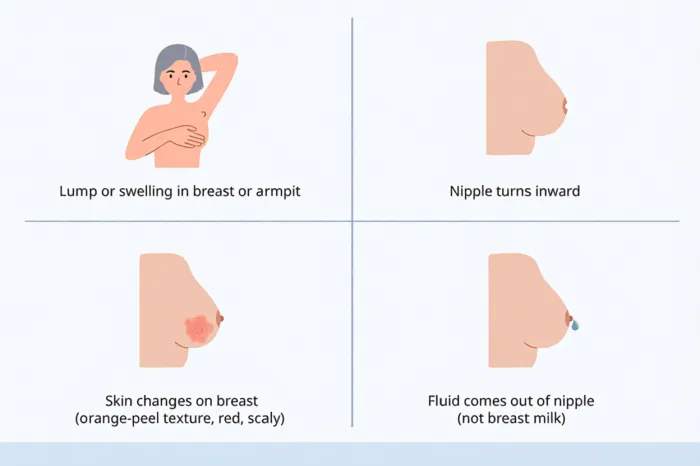
A recent study in North India has found that undergraduate medical students possess moderate awareness of breast cancer, including its risk factors, symptoms, and screening options. Despite some knowledge of genetic links and family history’s effect on risk, the survey of 307 students at a North Indian medical college revealed significant gaps, especially regarding lifestyle and reproductive factors that influence breast cancer risk. The study also included personal accounts, highlighting the emotional and practical journeys many women face following a breast cancer diagnosis and treatment.
Family history emerged as the most recognized risk factor, with over 94% of students acknowledging its significance. Students also understood the risks associated with childhood radiation exposure, and most named smoking and alcohol use as contributors. However, awareness was limited regarding low physical activity, obesity, and diet—fewer than 55% realized these lifestyle elements increased cancer risk. Furthermore, reproductive risk factors such as late first childbirth and lack of breastfeeding were only identified by half the students surveyed.
In terms of detection, most respondents knew about breast self-examination, but only a third were aware of its proper timing. Similarly, less than half could choose the correct age for beginning mammography screening. These findings suggest a gap between general awareness and the practical application of screening, which may hinder early detection and improved outcomes. The study found no major differences in awareness between male and female students, yet more senior students tended to demonstrate better knowledge than their junior counterparts, indicating the benefits of increased medical exposure.
Personal experiences, such as those shared by an Australian breast cancer survivor, illustrate the profound impact of a diagnosis—not only on physical health, but also on emotional and spiritual well-being. The survivor recounted her reliance on faith and community support throughout surgery, chemotherapy, and radiotherapy, emphasizing the importance of living with appreciation for each day. These stories highlight how breast cancer can change perspectives, foster gratitude, and deepen empathy for others dealing with health challenges.
Experts suggest strengthening education on breast cancer in medical training, with an emphasis on both modifiable lifestyle factors and evidence-based screening techniques. They propose integrating awareness campaigns and hands-on learning sessions as part of the college curriculum. Survivors’ accounts further underline the need for holistic support that addresses not only the physical but also the emotional and spiritual dimensions of recovery. Together, these findings reinforce the urgency of broader education, community engagement, and support systems to improve breast cancer prevention, early detection, and survivor well-being.
