
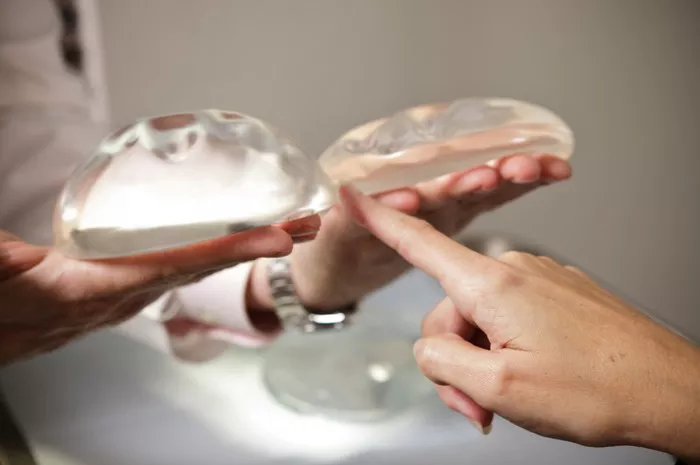
Across the United States, a growing number of patients are opting for a new kind of cosmetic enhancement: injectable fillers made from donated human fat sourced from cadavers. Marketed as a solution for lifting, plumping and sculpting the body, the product is gaining attention for high-demand procedures such as Brazilian butt lifts (BBLs), breast augmentation and hip contouring—particularly among patients who lack sufficient fat for traditional grafting.
The filler, known as AlloClae, entered the US market last year but remains available at only a small number of practices. According to plastic surgeons offering the treatment, demand is already outpacing supply.
“Many of us in New York City are very excited about this, especially because our patients are sometimes very thin or have already had liposuction,” said Dr. Melissa Doft, a Manhattan-based, board-certified plastic surgeon, in a recent Instagram video. “For patients who don’t have enough fat of their own, this becomes off-the-shelf fat.”
How AlloClae Works
In conventional fat-grafting procedures like BBLs, surgeons remove fat from one area of a patient’s body via liposuction and reinject it elsewhere. AlloClae eliminates the need for fat harvesting by using sterile, donated fat tissue from human cadavers that has been processed specifically for aesthetic use.
Before injection, the donor tissue undergoes a multi-step process of cleansing, sterilization and purification designed to remove DNA, cellular debris and other components that could trigger an immune response. The end product is a bioactive filler that preserves key structural elements of fat, allowing it to add volume and support collagen growth over time.
“We ensure all donor tissue is fully consented for aesthetic use,” said Caro Van Hove, president of Tiger Aesthetics, the company behind AlloClae. “The material is meticulously screened and processed in line with regulated, high-quality tissue practices.”
Limited Access, Surging Demand
Despite its growing buzz, AlloClae is still far from ubiquitous. Dr. Sachin M. Shridharani, a Manhattan plastic surgeon who began offering the filler in early 2025 as part of a small clinical trial, estimates that fewer than 5% of board-certified plastic surgeons currently have access to it.
“With the practices that do offer it, demand is tremendous,” Shridharani said. “There have been multiple times we’ve actually run out of product.”
Shridharani has performed more than 50 procedures using AlloClae in the past year, primarily to address hip dips and to restore volume in the buttocks, breasts and hips. He noted that many patients seek the filler to correct contour irregularities caused by overly aggressive liposuction.
A Familiar Concept in Surgery
Some surgeons compare cadaver fat fillers to other commonly accepted grafting materials.
“It’s no different from cases where patients need additional cartilage but don’t want a rib graft,” said Dr. Stephen T. Greenberg, a New York-based plastic surgeon. “In those situations, we routinely use cadaver cartilage grafts.”
While the idea of using donor fat can initially unsettle patients, Shridharani said transparency typically eases concerns. “It’s tissue that’s been gifted, and once people understand that, most fears are alleviated,” he said.
Costs, Regulation and Safety
Procedures using AlloClae typically start at around $10,000, with prices rising significantly depending on the volume required. Extensive treatments involving the breasts, hips and buttocks can reach tens of thousands of dollars.
From a regulatory standpoint, AlloClae occupies a unique category. It is FDA-compliant but classified as a human cell and tissue product, allowing it to be sold without the full approval process required for injectables like Botox.
Early clinical experience suggests the filler is both safe and effective, with high biocompatibility due to its human origin. However, doctors caution that risks remain. Potential side effects include swelling, bruising, pain and bleeding at the injection site, as well as rarer complications such as lumps, asymmetry, oil cysts, infection and allergic reactions.
“This is still surgery at the end of the day,” Shridharani emphasized. “The provider must have experience with surgical fat grafting. That’s the most important factor in safety.”
Expanding Uses—and Patients
Beyond cosmetic augmentation, AlloClae is being promoted as a way to restore volume lost due to popular GLP-1 weight-loss drugs such as Mounjaro, Zepbound and tirzepatide. Surgeons say both women and men are turning to the filler, with male patients increasingly using it to sculpt the chest without implants or general anesthesia.
As interest continues to grow, experts stress that proper training and patient education will be critical to ensuring the next-generation filler is used safely—and responsibly—as it moves further into the cosmetic mainstream.
