
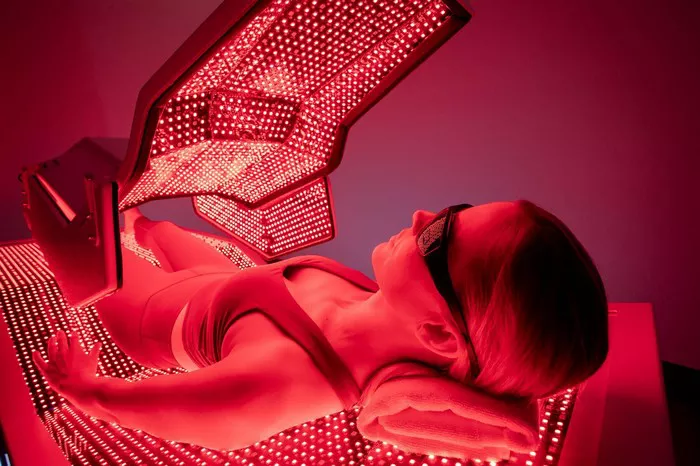
Red-light therapy masks have become impossible to ignore. Once confined to bathrooms and bedrooms, the glowing face devices are now popping up in unexpected places—from commercial flights to courtside seats at NBA games—prompting curiosity about what they are and whether they deliver on their promises.
Red-light therapy (RLT) is a form of photobiomodulation (PBM), an emerging technology in aesthetic and regenerative medicine. As with any rapidly popularized medical-adjacent device, two questions dominate the conversation: does it work, and is it safe? A growing body of scientific evidence suggests the answer to both may be yes.
Photobiomodulation refers to a range of noninvasive therapies that use specific wavelengths of light to influence cellular function. In red-light therapy, light energy penetrates the skin and interacts with chromophores inside the mitochondria—the energy-producing structures of skin cells. This interaction enhances adenosine triphosphate (ATP) production while reducing oxidative stress, processes associated with improved cellular performance, repair, and longevity.
Over the past decade, numerous peer-reviewed clinical and scientific studies have examined PBM’s applications in plastic surgery and dermatology. In 2025, the American Academy of Dermatology published findings from an expert consensus panel that evaluated existing PBM data. The panel concluded that red-light therapy does not cause DNA damage and is safe for adult patients. It identified androgenic alopecia (male-pattern hair loss), diabetic and venous stasis ulcers, and radiation dermatitis as conditions with the strongest supporting evidence for PBM efficacy.
Beyond these uses, red-light therapy has demonstrated promise across a range of aesthetic and post-surgical applications. Studies suggest it can reduce pain, swelling, bruising, and anxiety following cosmetic procedures such as eyelid surgery and rhinoplasty. By influencing collagen-producing skin cells, RLT may also help limit excessive scar formation after facelift surgery and accelerate the healing of incisional wounds.
Research has further linked red-light therapy to improvements in visible signs of skin aging, including fine lines, wrinkles, uneven texture, sun damage, and enlarged pores. These benefits help explain why the technology has gained traction not only in medical offices but also in at-home skincare routines.
Clinically, red-light therapy typically uses wavelengths between 630 and 760 nanometers (red light) and 760 to 1,200 nanometers (near-infrared). Devices delivering light within these ranges at energy levels of approximately 160 to 480 joules per square centimeter are considered most effective. Treatment protocols generally recommend sessions at least three times per week for three to twelve weeks, depending on the condition being treated. For post-surgical care, therapy is usually initiated four to eight days after an operation, under physician guidance.
Experts emphasize that patients should consult board-certified plastic surgeons or dermatologists before beginning treatment, particularly when using red-light therapy as part of a post-operative recovery plan.
With mounting evidence supporting its safety, effectiveness, and convenience, red-light therapy has positioned itself as a compelling option in both clinical and home settings. Its noninvasive nature, lack of downtime, ease of use, and increasing affordability continue to fuel widespread adoption. As research evolves, clearer standards for optimal use are expected to emerge—potentially cementing red-light therapy as a long-term fixture in modern aesthetic medicine.
