
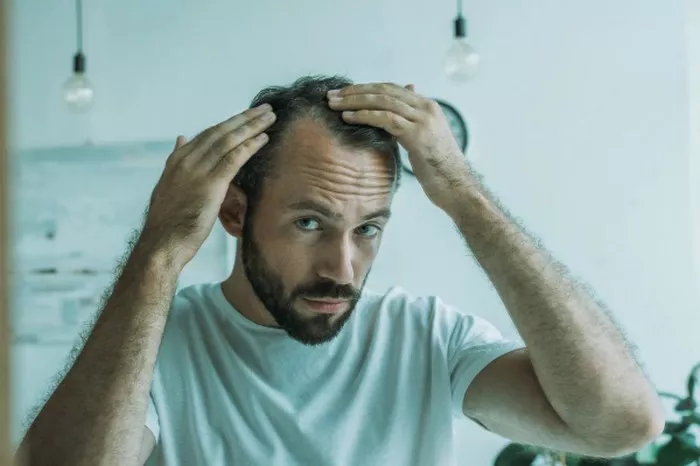
As winter sets in, cosy clothes and hot drinks bring comfort—but they can also spell trouble for your hair. Many people notice increased dryness, brittleness, and hair fall during colder months. Experts attribute these issues to seasonal changes, low humidity, and cold temperatures, which can stress the scalp and weaken hair roots.
To help tackle winter hair woes, HT Lifestyle spoke to Dr. Panchami Debbarman, MD (Kolkata Medical College), MPH (HAW-Germany), MBBS, who shared her professional tips for maintaining strong, healthy hair throughout winter.
Why Hair Falls Out in Winter
“Winter’s cold, dry air causes blood vessels in the scalp to constrict, reducing nutrient and oxygen supply to hair roots and weakening them,” explains Dr. Debbarman. She adds that hot showers and harsh shampoos strip natural oils, leading to dryness, flakiness, and breakage. Environmental pollution can further damage hair proteins, making strands fragile.
Vitamin D deficiency from reduced sunlight, low iron, zinc, and biotin levels, often due to dietary habits, can slow hair growth. Dr. Debbarman also notes that stress during holidays or illnesses like the flu can trigger telogen effluvium, a condition where hair shedding increases two to three months after the stress event.
Expert Tips for Winter Hair Care
Dr. Debbarman offers practical advice to keep hair strong and the scalp healthy during winter:
- Gentle cleansing: Wash hair 2–3 times a week with lukewarm water and sulfate-free shampoos. Apply conditioner to mid-lengths and ends for 3–5 minutes.
- Deep hydration: Use hair masks with natural oils like argan, coconut, or almond once a week. Massage into the scalp and leave for 20 minutes to lock in moisture and reduce breakage by 30–50%.
- Scalp nourishment: For persistent hair fall, try peptide-based scalp serums and massage the scalp for 5 minutes daily to boost blood flow.
- Protective styling: Avoid tight hairstyles, minimise heat styling, air-dry hair, sleep on silk pillowcases, and use a wide-tooth comb for gentle detangling.
- Nutrition and lifestyle: Eat omega-3-rich foods like walnuts, salmon, and flaxseeds, along with biotin sources such as eggs and nuts. Stay hydrated, use a humidifier indoors, manage stress with yoga, and get adequate sleep. Vitamin D supplements can help after checking levels through a blood test.
When to Seek Professional Help
“Seek a dermatologist if you experience severe hair fall for over six weeks, patchy bald spots, scalp pain, or widening hair parts,” Dr. Debbarman advises. Such symptoms could indicate thyroid issues, anaemia, or hormonal changes, which may require treatments like PRP therapy.
By following these expert-backed tips consistently, you can maintain healthy, strong hair and a nourished scalp, even in the harshest winter months.
