
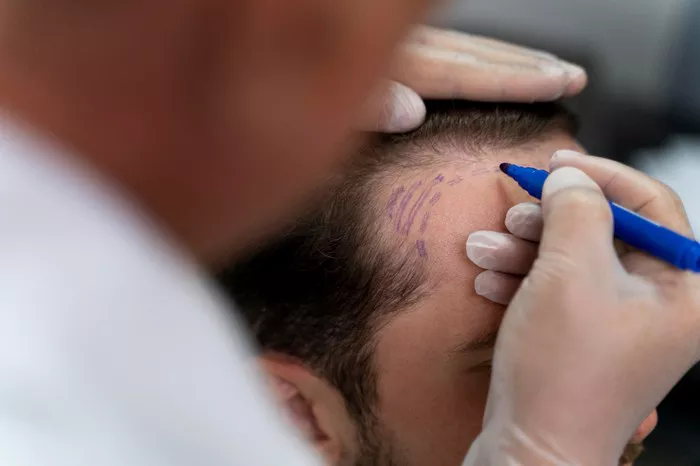
Over the past decade, hair transplantation in Turkey has evolved from a niche cosmetic procedure into a prominent segment of global medical tourism. The country’s appeal has long been linked to affordability and high surgical volumes. However, as international awareness grows, patients are increasingly seeking a deeper understanding of techniques, medical responsibility, and ethical standards.
Why Turkey Remains a Top Choice
Many patients choose Turkey for its combination of professional clinics and competitive pricing. Within this evolving context, advanced Direct Hair Implantation (DHI) techniques—particularly Sapphire DHI (S-DHI)—are gaining recognition for their procedural precision and microsurgical logic. Unlike traditional high-speed models, S-DHI emphasizes controlled implantation, tissue preservation, and surgeon oversight.
The Technical Edge of Sapphire DHI
Sapphire DHI is not an alternative to classical DHI, but a technical refinement. The procedure still relies on the Choi pen to implant follicular units with precise depth and angle, minimizing graft handling. Its key innovation lies in the use of sapphire blades for incision creation. These blades produce smoother edges, reduce micro-trauma to surrounding tissue, and help ensure consistent graft survival.
While graft outcomes depend on multiple factors, S-DHI protocols focus on maintaining optimal conditions between extraction and implantation. Shorter exposure times and precise placement contribute to more reliable healing, though they are not guarantees of success.
Moving Beyond Simplistic Rankings
Although Turkey has achieved global recognition in hair restoration, evaluating clinics requires more than numerical ratings or marketing claims. Quality is increasingly defined by clinical infrastructure, physician accountability, and ethical patient selection. High-volume, technician-heavy models have been criticized for prioritizing speed over precision. In contrast, physician-led clinics emphasize preoperative planning, donor preservation, and long-term aesthetic balance.
The Importance of Physician Leadership
Este Surgery exemplifies the physician-led model, treating hair transplantation as microsurgery rather than a standardized cosmetic service. Surgical protocols prioritize direct surgeon involvement, ethical case selection, and long-term patient outcomes. While this approach may limit throughput, it reinforces the importance of clinical responsibility and precision.
About Este Surgery
Founded in 2008, Este Surgery focuses on ethical, medically grounded hair restoration. Serving patients worldwide, the clinic follows a consultation-first approach, ensuring each patient receives a detailed evaluation of expectations, suitability, and treatment options. All procedures are performed directly by an experienced plastic surgeon, not delegated to technicians.
The clinic uses contemporary techniques such as FUE and DHI in clean, professional environments. Treatment planning and pricing are communicated transparently, reinforcing patient trust and clinical ethics.
Insights from Dr. Alp Aslan
Dr. Alp Aslan emphasizes that the central challenge in modern hair restoration is disciplined decision-making rather than technical skill alone:
“There is a growing tendency to equate faster procedures with better techniques. Hair transplantation demands patience, careful planning, and the surgeon’s direct involvement at every critical stage. Ethical practice begins when speed is no longer the primary metric.”
He also stresses the importance of managing patient expectations, particularly for international patients who may encounter unrealistic timelines or outcomes.
International Professional Alignment
Este Surgery maintains active engagement with the International Society of Hair Restoration Surgery and the European Society of Hair Restoration Surgery. Such memberships reflect ongoing education, peer collaboration, and adherence to evolving clinical standards, rather than promotional advantage.
The Logic of Online Pre-Assessment
To support international patients, Este Surgery offers free online consultations. Physicians conduct preliminary photographic assessments to evaluate donor capacity, hair characteristics, and estimate graft requirements. Final treatment plans are confirmed through direct clinical examination.
Conclusion
Turkey’s hair transplant industry is shifting from emphasizing volume and speed toward prioritizing methodology, ethics, and physician oversight. Sapphire DHI represents not a promise of superiority, but a refinement of DHI under physician-led conditions. Clinics that prioritize microsurgical discipline, ethical boundaries, and informed patient engagement are helping to redefine global standards in hair restoration.
