
A significant milestone was reached in the fight against pancreatic cancer, as the first major funding from the ARC Foundation for Cancer Research has been secured. This grant will help push forward the PDAC (Pancreatic Ductal Adenocarcinoma) research under the PANCREAS 2025 program, an ambitious global initiative aimed at accelerating progress in treating one of the most aggressive cancer types. With this funding, a world-class consortium of researchers will begin tackling critical challenges in pancreatic cancer therapy.
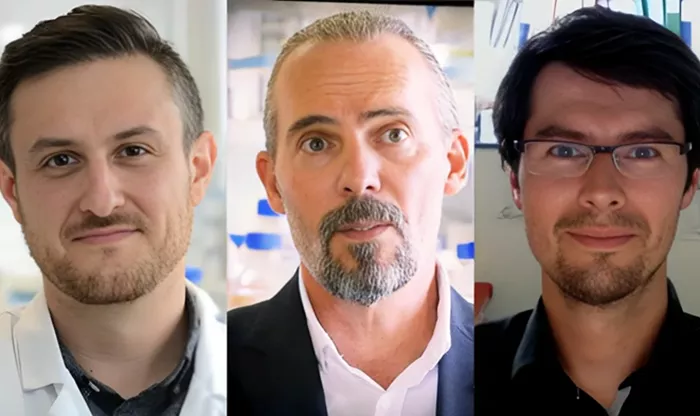
The team behind this effort includes prominent figures in cancer research, such as Xavier Iturrioz from the Servent Lab at CEA, an expert in GPCR signaling and its pharmacological targeting, and Nelson Dusetti, head of the Translational Research and Innovative Therapies Department at the Cancer Research Centre of Marseille (CRCM). Their collaboration aims to explore new therapies for PDAC by investigating the role of GPCRs (G-protein-coupled receptors), which have been found to be deregulated in the most aggressive pancreatic tumors.
The project’s name, DISSRUPT, reflects its goal: decoding the intercellular stromal signaling through GPCRs in order to uncover new therapeutic targets for PDAC. This effort is crucial because the tumor microenvironment, especially the stromal components, plays a pivotal role in cancer progression and treatment resistance. By targeting these components, researchers hope to discover actionable therapeutic strategies that could significantly impact patient outcomes.
The overarching objective of this initiative is to identify new ways to disrupt the PDAC stroma, which is often resistant to conventional therapies. This cutting-edge research will contribute to advancing translational oncology, particularly at Henri Mondor Hospital, IMRB – Mondor Institute for Biomedical Research, and the newly established Henri-Mondor University Cancer Institute. These institutions are vital in bridging the gap between laboratory discoveries and clinical applications.
Nelson Dusetti expressed his gratitude to the ARC Foundation for its trust and support, recognizing the importance of the funding in enhancing the impact of their work. “Our team is committed to improving current culture models to make preclinical research more relevant for translational studies. By contributing patient-derived organoids and CAF co-culture systems, we aim to assess how stromal GPCR signaling affects invasion and treatment response,” said Dusetti. Their work will focus on refining preclinical models to ensure that the findings translate effectively into clinical therapies.
This project is a promising step toward better understanding pancreatic cancer, one of the deadliest cancers globally. The collaboration among leading researchers in GPCR biology and pancreatic cancer aims to not only uncover novel therapeutic targets but also improve the overall care and treatment options for PDAC patients.
Related topics:
