
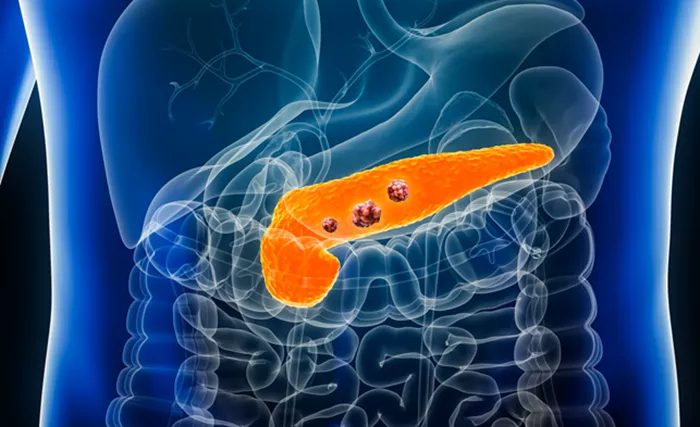
Pancreatic cancer remains one of the deadliest forms of cancer, with survival rates stubbornly low despite decades of research. According to the latest American Cancer Society statistics, the average five-year survival rate for pancreatic cancer is just 10-13%, and for patients diagnosed at advanced stages, the rate drops to as low as 3%. Dr. Jill Smith, a gastroenterologist and professor of medicine at Georgetown University, is leading efforts to change these grim statistics with innovative detection and treatment strategies.
Over the past decade, Dr. Smith has made significant strides in both detecting pre-cancerous lesions and improving the delivery of treatments to pancreatic cancer cells. Her team has developed a technology platform that targets and detects microscopic precancerous lesions in the pancreas that are often invisible on conventional imaging scans. Early detection of these lesions could be key to treating pancreatic cancer in its earliest, most treatable stages.
In addition to detecting early-stage cancer, Dr. Smith has discovered a method to improve treatment efficacy. Pancreatic cancer cells are surrounded by a dense fibrosis shield, which prevents chemotherapy and immune cells from effectively attacking the cancer. However, Dr. Smith’s team has found that a drug originally developed to treat peptic ulcers, called proglumide, can break down this fibrosis barrier, allowing treatments to reach the cancer more effectively.
Dr. Smith’s passion for advancing pancreatic cancer research is driven by her personal connection to the disease. She wears angel pins on her lab coat—gifts from patients who lost their battle with the disease—as a reminder of why she continues her work. “The angels represent my patients who encourage me to persevere and not give up hope,” she said.
Despite the ongoing challenges, Dr. Smith remains optimistic. Her research has led to at least 12 patents and recognition by the National Academy of Inventors in 2023. Yet, the road ahead is not without its obstacles. The lack of early detection methods for pancreatic cancer, combined with the difficulty of delivering effective treatments, makes it one of the most challenging cancers to tackle.
Currently, pancreatic cancer is not diagnosed until its later stages, often Stage IV, when treatment options are limited. Unlike other cancers, there is no standard diagnostic test for pancreatic cancer, making early intervention extremely difficult. Dr. Smith’s lab is addressing this issue head-on by targeting a protein receptor called CCK-BR, which is overexpressed in precancerous lesions and pancreatic cancer cells.
The technology developed by Dr. Smith and her colleague, Stephan Stern from the National Cancer Institute, uses fluorescent nanoparticles to detect these precancerous lesions in the pancreas. In animal trials, these nanoparticles have shown promise in slowing cancer progression and improving survival rates. Georgetown University has recently licensed this technology to a company that will work to commercialize the discovery.
On the treatment front, Dr. Smith’s team has found that proglumide, when combined with chemotherapy, can break through the fibrosis shield surrounding pancreatic cancer cells. Clinical trials of the drug in patients with conditions like fatty liver disease and cirrhosis have shown promising results, and proglumide has already been designated as an orphan drug by the FDA. This designation could expedite its approval for use in pancreatic cancer treatment.
Despite some setbacks, such as delays in funding from the National Institutes of Health (NIH), Dr. Smith remains determined to push forward with her research. “I think of my patients often,” she said. “They’re the reason I keep fighting.” Her persistence and groundbreaking work could soon change the landscape of pancreatic cancer treatment, offering new hope to patients battling this aggressive disease.
Through her commitment and innovative approach, Dr. Jill Smith is not only improving the lives of pancreatic cancer patients but also pioneering a path for future treatments. With ongoing research and technological advances, the fight against pancreatic cancer is gaining new momentum, and early detection and effective therapies may soon be within reach.
Related topics:
