
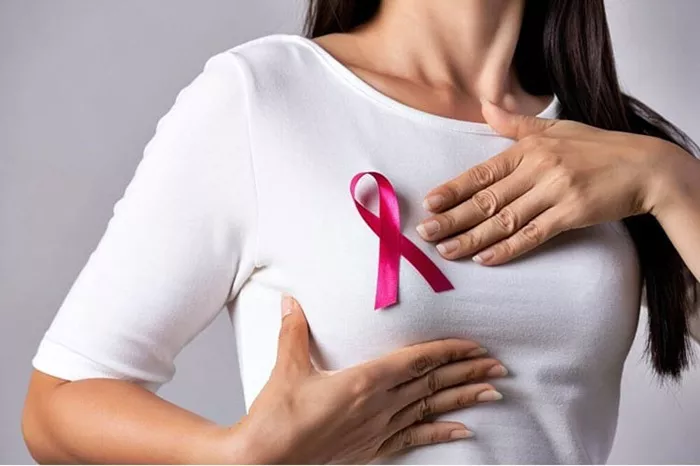
Each year, over 300,000 women in the United States are diagnosed with breast cancer, with about 15% of those cases being the most aggressive form—triple-negative breast cancer. Researchers at the Cleveland Clinic are testing a preventive vaccine designed to combat this deadly disease. Early results from Phase 1 of the trial show encouraging signs, giving hope to many women, including participants like Sherie Steinberger.
Steinberger was diagnosed with triple-negative breast cancer in 2020. After undergoing chemotherapy and a lumpectomy, she spent six months on chemotherapy medication. By the end of 2021, Steinberger was declared cancer-free. But her journey didn’t end there. She received a phone call from the Cleveland Clinic offering her a spot in their trial for the new vaccine.
“I was told, ‘You’ve been chosen for the trial,’” Steinberger recalls. “I had to call my oncologist, the one who saved my life. After speaking to him, he said it was a great opportunity, and I knew I had won the golden ticket.”
Steinberger became one of 35 women participating in the three-year clinical trial. The vaccine is part of ongoing research at the Cleveland Clinic and is aimed at preventing breast cancer, particularly the triple-negative type. The trial includes women who have previously fought triple-negative cancer, cancer-free individuals with high genetic risk, and those with residual cancer after treatment.
The results from the trial’s first phase have been encouraging. Justin Johnson, a researcher on the trial, shared that 74% of participants had a positive immune response to the vaccine. “While we cannot yet guarantee that the vaccine will prevent cancer, the strong immune responses are a very good sign,” said Johnson.
The vaccine works by targeting a lactation protein present in most triple-negative breast cancers but not found in healthy breast tissue. This protein has been a focal point of the research at the Cleveland Clinic for decades. The vaccine was administered in a series of three shots, one week apart, and most participants experienced only mild side effects, like skin irritation at the injection site.
The first phase of the trial was focused on establishing the vaccine’s safety and determining the ideal dosage. With those goals achieved, the next step will be testing the vaccine’s efficacy. Phase 2 of the trial is scheduled to begin next year, with researchers hopeful that the vaccine can make a significant impact in preventing breast cancer in high-risk individuals.
Steinberger, who has survived breast cancer, feels privileged to be part of this groundbreaking research. “It makes me cry with joy,” she said. “It’s a miracle, and research is more important than I ever realized. This vaccine could change everything for so many people.”
Related topics:
