
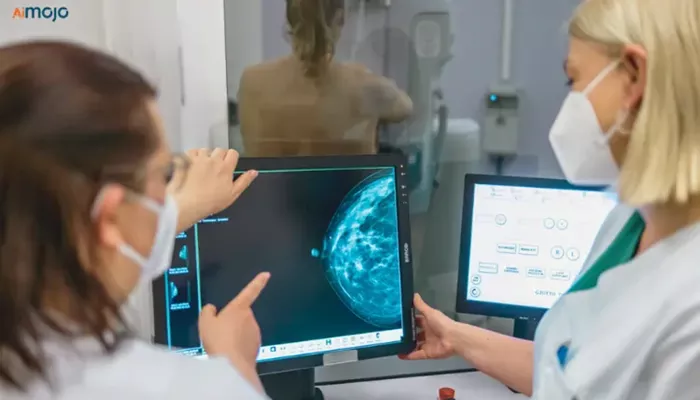
China’s medical experts have developed an artificial intelligence (AI) model designed to identify subtypes of the most common form of breast cancer, enabling faster and more precise treatment for patients, including those with drug-resistant cases.
Breast cancer is the most prevalent cancer among women, with the Luminal type accounting for nearly 70% of cases. Patients with this type typically undergo endocrine therapy.
“New small-molecule drugs have significantly benefited patients with advanced Luminal breast cancer. However, some develop drug resistance,” said Dr. Shao Zhimin of Fudan University Shanghai Cancer Center, who led the research. “It means the same therapy does not work for all patients. We need precise diagnosis and treatment tailored to the molecular characteristics of each patient to improve outcomes.”
In 2023, Shao’s team completed the world’s largest multi-omics genomic map of Luminal breast cancer, identifying four subtypes to guide targeted therapies. Their latest research focuses on overcoming treatment challenges for terminal patients with drug-resistant Luminal cancer.
Using the previously developed subtyping system, the team created an AI model that can quickly classify cancer subtypes. “By analyzing clinical biological information from pathological sections, the AI system can determine a patient’s subtype in under five minutes, greatly improving efficiency and supporting precision medicine,” Shao explained. The team is now training the AI to identify potential therapeutic targets and recommend matched drugs to assist doctors in treatment decisions.
The research, published in the prestigious journal Cancer Cell, has attracted international attention for its potential to transform breast cancer treatment.
Related topic:
