
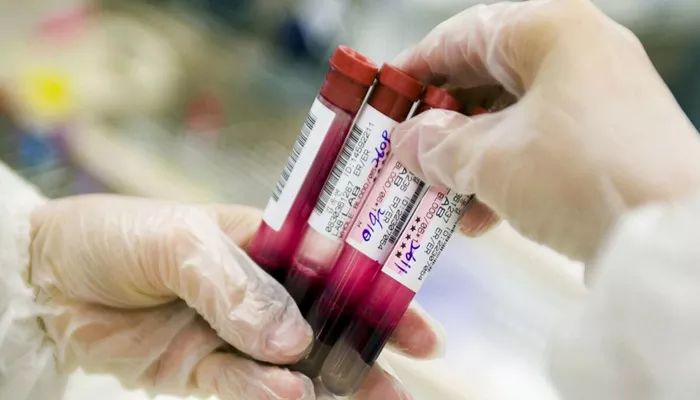
In spring 2021, researchers sparked excitement with a blood test capable of detecting dozens of cancers, including those without routine screening.
Four and a half years later, interest has only grown. Galleri, the test developed by GRAIL, recently released data suggesting improved performance.
Several companies are now developing multi-cancer early-detection blood tests. None have FDA approval, and costs run into hundreds of dollars. Yet patients are accessing them through employers, concierge practices, and major academic centers.
GRAIL reports that 420,000 Galleri tests have been prescribed, up from 180,000 in March 2024. The company plans to seek FDA approval next year and has lobbied for legislation allowing Medicare coverage.
Despite demand, research on effectiveness remains limited. Doctors are uncertain how to interpret positive results and whether insurance will cover follow-up tests.
“It feels like the airplane is being built while flying,” said Cristian Tomasetti, director of the Center for Cancer Prevention, Early Detection and Monitoring at City of Hope in Southern California.
How the Tests Work
Early-detection blood tests aim to catch cancer before it progresses, when treatment is more effective.
“When you find an early cancer and can cure it, it is exhilarating,” said Dr. Elizabeth O’Donnell of Dana-Farber Cancer Institute in Boston.
William Hill, a 56-year-old firefighter from Massachusetts, took a Galleri test last year. DNA fragments in his blood were analyzed for signs of cancer. Two weeks later, the result came back positive.
Hill had previously been treated for testicular cancer. Further testing at Dana-Farber revealed metastatic testicular cancer, and treatment began immediately. Hill credits the test with prompting early intervention.
Cases like Hill’s are encouraging. But there is no conclusive evidence that these tests reduce cancer mortality, unlike established screenings for breast, cervical, colon, and lung cancers, which have been validated in large trials.
Limitations and Accuracy
GRAIL and other companies provide most of the evidence. In its latest study of 23,000 participants, 99% tested negative. About 40% of positive results were false, and the test missed 60% of cancers detected within a year.
“They found fewer cancers than they didn’t find,” said Ruth Etzioni, biostatistics professor at Fred Hutch Cancer Center.
GRAIL’s president, Dr. Joshua Ofman, noted that Galleri’s false-positive rate (0.4%) is lower than mammograms (around 10%). The company also claims the test is less likely to detect slow-growing cancers, though independent evidence is limited.
Potential Risks
GRAIL reports that Galleri detects slightly more than half of cancers at early stages. But similar detection rates occur without the test, Etzioni said.
Even if cancers are caught earlier, they may not affect survival. Aggressive cancers may remain fatal, while slow-growing cancers might never cause harm.
“Without knowing the natural history of the cancer, early detection may only give an extra period of worry,” said Dr. Scott Ramsey of Fred Hutchinson Cancer Center.
Overdiagnosis can lead to overtreatment, costly procedures, and long-term complications. Ramsey cites PSA testing for prostate cancer as an example, which often led to unnecessary surgery without improving survival.
Stress is another concern. Positive results can trigger anxiety; negative results can give false reassurance. A 2022 pilot program for 500 firefighters in Mesa, Arizona, showed this effect. One test was positive, but over 20 months, 14 cancers were later discovered in participants who had negative Galleri results.
Testing in High-Risk Populations
Medical associations do not yet recommend these tests. Some doctors offer them selectively, mainly in research settings or for high-risk groups.
O’Donnell studies their use among veterans and individuals with strong family histories of cancer. Dr. Alex Krist participates in a National Cancer Institute study to evaluate feasibility and best practices for large-scale trials.
Krist advises patients against using the test outside clinical studies. “We don’t know enough to know if this will help you,” he said.
Shukla, who ran the firefighter screening program, stopped using Galleri but added Cancerguard, another unproven multi-cancer test. She hopes data from high-risk populations will improve early-detection technology.
“I screen a very high-risk population with many cancers,” Shukla said. “I need to use all technology available to me.”
Related topic:
