
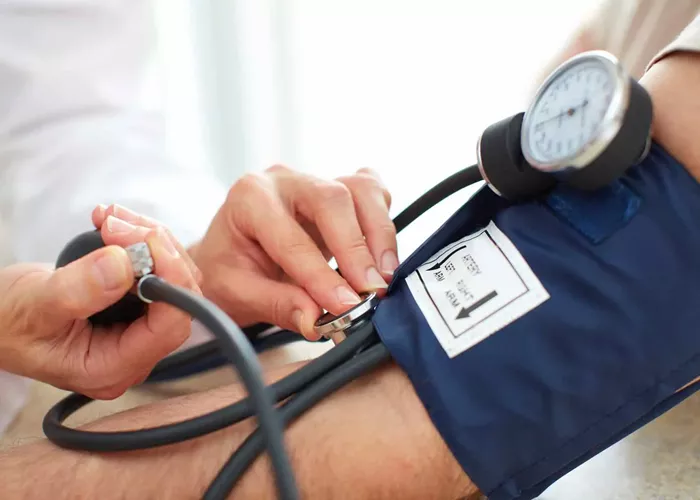
Hypertension affects nearly 220 million people in India, yet only about 12% have it under control, according to the World Health Organization. For many, blood pressure remains high despite following a healthy diet, exercising regularly, and taking prescribed medications. The reason may be a lesser-known condition called resistant hypertension.
Resistant hypertension is defined as blood pressure that stays above 140/90 mmHg despite the use of three or more antihypertensive drugs, including a diuretic at optimal doses. It can be driven by underlying issues such as sleep apnea, hormonal imbalances, obesity, alcohol use, or interactions with other medications.
Many patients are unaware they have resistant hypertension, believing they are already doing everything right. “We often see patients on multiple medications still struggling with high blood pressure. Identifying the underlying causes is crucial—simply adding another pill is rarely enough,” says Dr. Guruprasad S, HOD of the Department of Electrophysiology at Gleneagles Hospitals, Chennai.
Key Habits to Manage Resistant Hypertension
1. Strict Medication Adherence
Research shows that half of all hypertension patients stop taking their medications within a year, often skipping doses when they feel better or experience side effects. Dr. Guruprasad emphasizes, “Even missing a few doses can significantly affect long-term blood pressure control, especially in resistant cases.”
2. Watch for Drug Interactions
Painkillers, antidepressants, and even herbal supplements can raise blood pressure or interfere with treatment. Sharing a complete list of medications and supplements with your doctor is essential.
3. Address Hidden Lifestyle Factors
Chronic stress, poor sleep, excess alcohol, and high salt intake can all hinder blood pressure control. Identifying and managing these factors with practical lifestyle changes is critical for effective management.
Sometimes, even strict adherence to medications and lifestyle measures may not be enough. In such cases, emerging therapies like Renal Denervation (RDN) can help. This minimally invasive procedure targets overactive sympathetic nerves in the renal arteries, which play a key role in blood pressure regulation. RDN has been shown to provide sustained reductions in blood pressure for patients who have exhausted other options.
Resistant hypertension is not a sign of failure—it signals the need for a tailored approach. With careful monitoring, expert guidance, and, when necessary, advanced interventions like RDN, blood pressure control is achievable. The key is persistence, personalized care, and exploring all available strategies to regain control of your health.
Related topic:
