
Cervical cancer screening can now include self-administered HPV tests, according to updated guidelines released Thursday by the American Cancer Society.
Experts hope the change will encourage more women to get screened by providing an alternative to the traditional speculum exam.
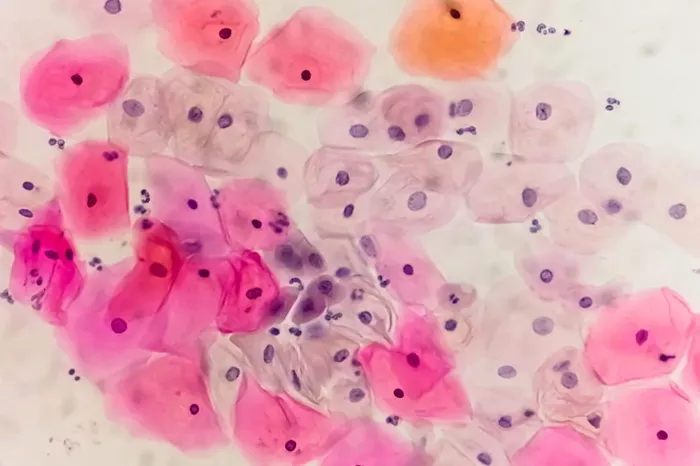
Testing for human papillomavirus, or HPV, has become the preferred method for cervical cancer screening, replacing the Pap test. Pap tests, also known as cytology, require collecting cervical cells during a pelvic exam—a process many women find uncomfortable or painful.
“HPV is such a strong indicator of cervical cancer, we know now that screening for HPV is screening for cervical cancer. This gives more options to women,” said Jane Montealegre, associate professor of behavioral science at the University of Texas MD Anderson Cancer Center in Houston, who was not involved in drafting the guidelines.
Historically, HPV testing also required collecting cells from the cervix. Since 2024, however, the Food and Drug Administration has approved three self-administered HPV tests, including one that can be performed at home.
Cervical cancer rates in the United States have steadily declined since the 1970s, largely due to improved screening and widespread HPV vaccination since 2006. Of the more than 40 types of HPV that infect the genitals, 13 are responsible for nearly all cervical cancers. HPV testing targets these high-risk strains.
Despite declining rates, more than 20% of American women are not up to date on screening, a study in JAMA Network Open found. Self-administered tests allow patients to collect samples using a vaginal swab either in a doctor’s office or at home, with samples mailed to a lab for analysis.
“A woman would be given a kit and could go some place, either the exam room or bathroom, and collect her own sample,” said Robert Smith, cancer epidemiologist and senior vice president of early cancer detection science at the American Cancer Society. Smith was the senior author of the guideline update.
Both the American Cancer Society and the U.S. Preventive Services Task Force (USPSTF)—an independent panel of medical experts—recommend HPV testing every five years for cervical cancer screening. If the test is positive, further testing is required.
Women may also choose a Pap test every three years, or combine HPV testing and cytology every five years. The main difference between the two organizations is the recommended age to start screening. The American Cancer Society advises beginning at age 25, while the USPSTF recommends starting HPV testing at 30, with cytology alone every three years between ages 21 and 29.
Montealegre said the USPSTF is unlikely to change its starting-age recommendation but may update its guidance to include self-administered tests.
Cervical cancer screening is covered under the Affordable Care Act, and self-administered tests performed at a clinic are expected to be covered by insurance.
“Primary HPV testing is already recommended by the USPSTF, so it is already covered by insurance, and they don’t specify how it has to be collected,” Montealegre said.
Smith noted that the dual endorsement of HPV testing as the primary screening method signals growing agreement that it is the gold standard.
“We have known for years that primary HPV testing is much more efficient; now we are doing self-sampling to allow for better access,” said Dr. Diane Harper, professor of obstetrics, gynecology, and family medicine at the University of Michigan.
The update also clarified when women can safely stop screening. Previously, both organizations recommended continuing until age 65. The new guidance specifies that screening can end only if a woman has had consistent negative results for at least 10 years.
“Very few women are fully up to date on screening by age 65,” Smith said. “It’s important to have a record confirming it is safe to stop screening for cervical cancer.”
Harper added that future screening intervals may become longer, especially in highly vaccinated populations. “We have data showing that in a highly vaccinated population, you can screen every 10 years, but the U.S. is currently lagging behind,” she said.
Related topic:
