
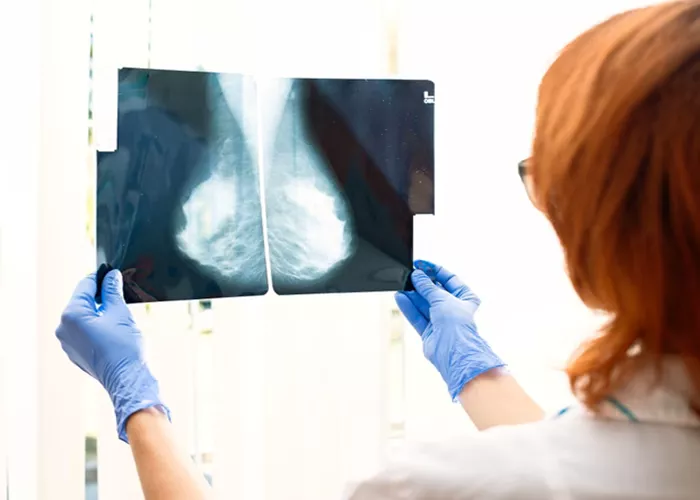
Telling women whether they have dense breasts as part of breast cancer screening may cause unnecessary anxiety and confusion, a new study suggests.
Breast density measures the proportion of glandular and fibrous tissue relative to fat in the breasts. High breast density is a risk factor for breast cancer and can make mammograms harder to interpret.
In Australia, women are routinely informed about their breast density, and the practice is under consideration in the UK by the National Screening Committee (NSC).
Researchers at the University of Sydney analyzed data from 2,401 women screened for breast cancer in Australia between September 2023 and July 2024 who were classified as having dense breasts. Participants were randomly assigned to three groups: a control group not told their breast density, a group given written information about their density, and a group provided with an online video explaining its implications.
After eight weeks, participants completed surveys assessing their psychological response and intentions to consult a GP or pursue additional screening.
The study found that women informed of their breast density were more likely to feel anxious and confused than those in the control group. Both groups who received notifications were also more likely to plan follow-up discussions with their GP—22.8% and 19.4%, compared with 12.9% in the control group.
The NHS breast screening program in England currently does not assess or record breast density.
Sophie Brooks, health information manager at Cancer Research UK, said: “Dense breasts can make cancer harder to detect on a mammogram, but this is not something people can check or change themselves. This study shows that informing women about breast density has mixed effects: it encourages GP consultations but can also increase anxiety and confusion. Clear guidance and support are crucial, and more research is needed to determine the benefits of sharing this information.”
The study concluded that women notified of dense breasts “felt anxious and confused, did not feel more informed to make decisions about their breast health, and wanted guidance from their GPs.”
Melanie Sturtevant, associate director at Breast Cancer Now, said: “Knowing personal risk could help women make informed choices, but it’s important to understand the mental health impact of sharing risk factors like breast density. Many women felt more anxious and confused, and more likely to seek GP advice. In the UK, routine screening does not include breast density assessment, and the review of additional screening for dense breasts should be handled with urgency and transparency.”
Related topic:
