
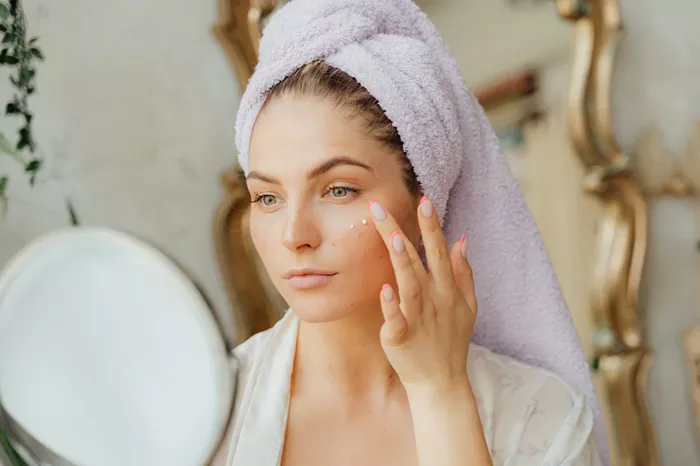
A decade ago, a facelift at 28 might have seemed extreme. Today, it barely raises a question. Young adults across India and around the world are reshaping the cosmetic landscape. For many millennials and Gen Z, aesthetic procedures are less about chasing perfection and more about prevention, confidence, and personal expression.
At Handa Aesthetics & Plastics in Delhi, plastic surgeons Dr. Arjun Handa and Dr. Shruti Handa report a steady rise in younger patients seeking early, subtle interventions. They say these choices are driven by awareness rather than insecurity.
A Generation Focused on Prevention
Today’s twenty-somethings grew up in a world of constant visibility—from social media to high-definition selfies. Yet their decisions to pursue cosmetic treatments are rarely impulsive. Instead, many see these procedures as part of long-term wellness.
“Millennials are incredibly informed,” says Dr. Shruti Handa. “They study their anatomy and view aesthetic care as maintenance, not transformation.”
This new approach, known as “prejuvenation,” focuses on preventing signs of aging rather than correcting them later.
What Young Patients Are Choosing
While a full facelift at 28 remains uncommon, young adults are choosing minimally invasive treatments that maintain facial structure and skin quality. Popular options include:
Baby Botox: Micro-doses to slow the development of fine lines.
Dermal fillers: To enhance contours or address early volume loss.
Thread lifts: A mild lifting technique for cheeks, jawline, or neck.
Laser and RF treatments: For collagen stimulation and smoother skin.
Fat grafting: Using one’s own fat for natural facial rejuvenation.
“These techniques act like a mini or liquid facelift,” explains Dr. Arjun Handa. “They suit young patients who want preventive care with natural results.”
Why the Shift Is Happening Earlier
Several cultural and technological forces are pushing younger generations toward cosmetic care:
Digital exposure: High-resolution cameras and constant video calls increase self-awareness.
Influencer transparency: Many public figures openly share their aesthetic routines.
Empowerment: Gen Z views self-improvement as confidence-building rather than vain.
Advances in technology: Modern treatments are safer, quicker, and more accessible.
“People once waited until midlife to correct aging,” says Dr. Shruti. “Now, small steps taken earlier can delay aging altogether.”
Safety First, Trends Second
Despite rising demand, experts warn that cosmetic procedures—surgical or not—still require medical expertise.
“There’s a misconception that these are salon services,” says Dr. Arjun. “Even non-surgical treatments demand precision. Always choose a certified plastic surgeon.”
A proper consultation remains essential. Skilled practitioners study skin type, muscle activity, and facial proportions before recommending any treatment. Overuse or unnecessary procedures can lead to artificial results.
“Our goal is balance,” adds Dr. Shruti. “Youthfulness should look natural.”
The Psychology Behind Early Aesthetic Care
Younger patients aren’t seeking dramatic changes. Instead, they want to feel more aligned with their inner confidence. Research shows that feeling good about one’s appearance supports mental well-being and social ease.
“When patients come in, they want to look refreshed, not different,” says Dr. Arjun. “It’s about correcting small concerns and supporting self-esteem.”
This shift reflects a broader cultural move: cosmetic care is increasingly seen as self-care, not self-criticism.
Technology That Redefines Aging
Devices such as Ultherapy, Morpheus, and fractional lasers offer lifting and rejuvenation without surgery. Many patients pair these options with sun protection, hydration, and healthy routines to preserve youthful skin.
“With this approach, we often delay the need for surgical procedures,” says Dr. Shruti.
At Handa Aesthetics & Plastics, each treatment plan is tailored to the patient’s anatomy and lifestyle to ensure subtle, sustainable results.
Related topics
Sen. Baldwin Pushes New Bill to Expand Maternity Care Health Insurance Access
Radiologist Skill, Patient Traits Linked To Breast Cancer Early Screening Accuracy
Young Patients Face Rising Risks After Cervical Cancer Treatment, Study Finds
