
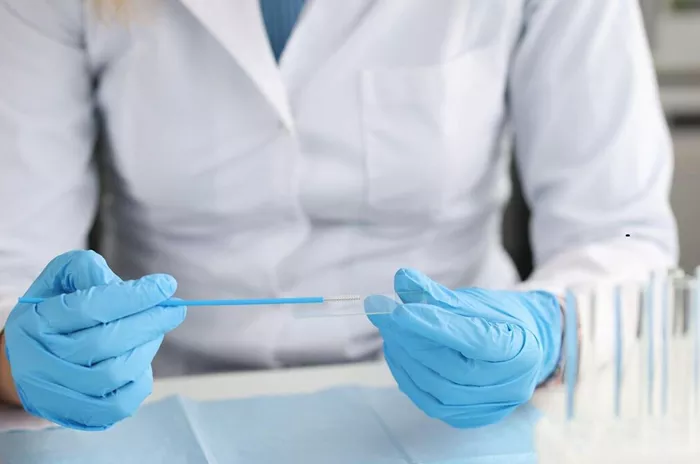
Ireland’s Health Service Executive (HSE) is preparing to roll out home-based cervical cancer screening kits, aiming to improve participation among women who face barriers to attending a clinic. The kits, which test for the human papillomavirus (HPV)—the virus responsible for more than 90% of cervical cancers—allow women to collect samples at home and mail them to a lab.
Dublin GP Dr. Caoimhe Hartley emphasized that self-sampling is a convenient alternative for women who feel embarrassed, are busy, or have difficulty accessing a GP. “It’s usually just a swab or soft brush to collect a vaginal sample,” she explained.
However, she noted that traditional GP-based screening remains the gold standard because it allows patients to discuss symptoms such as breakthrough bleeding or postcoital bleeding.
Research suggests self-sampling is most effective for women who are overdue for screening or have never been screened. Prof. Nóirín Russell, Clinical Director of Cervical Check, said, “Self-sampling helps get these women into the system while testing for HPV, which causes the vast majority of cervical cancers.” Women who test positive on a home sample are advised to follow up with a GP or nurse for a clinical cervical sample.
The HSE plans to conduct a feasibility study in early 2026 to evaluate the home sampling process, including usability of information leaflets and two types of swabs, and to collect feedback from both patients and health care practitioners. Prof. Russell stressed the need for inclusive outreach, noting that some migrant communities are less likely to have received HPV vaccination or previous screening.
Self-sampling tests detect HPV but not cancer directly. A follow-up clinical test remains essential for identifying pre-cancerous changes or cancer risk.
Ireland’s cervical cancer incidence has been declining since the introduction of the national screening program in 2009. Dr. Caroline Mason-Mohan, Director of Public Health at the HSE, said, “The current incidence is 11 per 100,000 women. Despite COVID-related disruptions, the long-term trend continues to decline, and we are on track to achieve elimination by 2040.”
Tonight, several Irish landmarks, including the Rock of Cashel and Dublin’s Custom House, will glow teal to mark World Cervical Cancer Elimination Day. This follows the first anniversary of Ireland’s Cervical Cancer Elimination Action Plan, which outlines steps to reduce cervical cancer nationwide.
Related topics
