
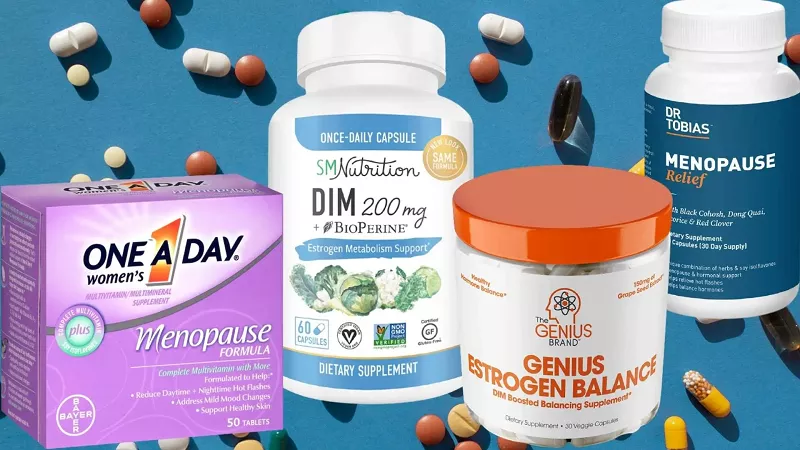
Black cohosh stands as one of the most extensively studied botanical supplements for managing menopausal discomfort, particularly vasomotor symptoms like hot flashes. Derived from the root of the North American black cohosh plant, this herbal remedy has demonstrated mixed results across clinical trials.While some studies report significant reduction in hot flash frequency and intensity compared to placebo, others show limited efficacy beyond psychological benefit. Importantly, individuals with pre-existing liver conditions should exercise caution with black cohosh supplementation due to potential hepatotoxicity concerns, requiring medical consultation before use.
Evaluating Flaxseed for Hormonal Balance
Flaxseed and its derivative oil offer potential benefits for women experiencing mild menopausal symptoms through their rich lignan content. These plant compounds exhibit weak estrogenic activity that may help balance hormonal fluctuations during menopause transition.
However, scientific evidence remains inconclusive regarding flaxseed’s effectiveness for addressing vasomotor symptoms like night sweats. Some studies suggest modest improvement, while others show negligible results compared to conventional treatments. The seed’s additional cardiovascular benefits from omega-3 fatty acids and fiber content nevertheless make it a valuable dietary addition.
Prioritizing Calcium for Bone Health Preservation
Postmenopausal women face accelerated bone density loss, making adequate calcium intake crucial for osteoporosis prevention. The National Institutes of Health recommends 1200 mg daily for women over 51, ideally obtained through dietary sources like dairy products, leafy greens, and fortified foods.
When supplementation becomes necessary, divided doses not exceeding 500 mg per administration, taken with meals, enhance absorption efficiency. Combining calcium with weight-bearing exercise and adequate vitamin D provides comprehensive skeletal protection during and after menopause transition.
Examining Red Clover’s Mixed Evidence
Red clover supplementation has gained popularity based on its natural isoflavone content resembling plant estrogens that theoretically could alleviate menopausal discomfort. However, current research presents conflicting outcomes, with some studies showing modest symptom relief while others demonstrate no significant difference from placebo.
Recent investigations have alleviated initial concerns about endometrial cancer risk with short-term three-month usage, but long-term safety profiles remain uncertain. Medical guidance remains advisable, especially for women with hormone-sensitive conditions.
Optimizing Vitamin D for Calcium Absorption
Vitamin D’s synergistic relationship with calcium makes it essential for maintaining bone health during menopause, with recommended daily intake of 600-800 IU depending on age. While sunlight exposure stimulates natural vitamin D production, dermatological concerns regarding skin damage make dietary sources and supplementation preferable.
Fortified foods, fatty fish, and specific supplements provide reliable sources, with regular monitoring of serum levels ensuring optimal status for both skeletal integrity and overall health maintenance.
Assessing Wild Yam Creams and Preparations
Topical creams and supplements derived from wild yam species contain diosgenin compounds structurally similar to human hormones but lacking demonstrated biological activity in humans.
Despite theoretical promise as natural hormone therapy alternatives, clinical studies consistently fail to show significant relief from menopausal symptoms through wild yam products alone. Their continued popularity likely stems from placebo effects and marketing claims rather than evidence-based efficacy.
Exploring Ginseng’s Mood-Enhancing Properties
Asian ginseng varieties demonstrate promising effects on quality of life measures during menopause, particularly regarding mood improvement and sleep quality enhancement. However, research consistently shows limited impact on physical symptoms like hot flashes.
The adaptogenic properties of ginseng may help moderate stress responses and improve psychological wellbeing without directly addressing vasomotor symptom pathology.
Considering St. John’s Wort for Emotional Stability
St. John’s Wort demonstrates established efficacy for mild to moderate depression, with emerging evidence supporting its application for menopausal mood fluctuations.
Particularly when combined with black cohosh, this herbal preparation shows potential for managing emotional symptoms associated with hormonal changes. However, significant drug interaction risks require careful medical supervision, especially with concurrent antidepressant use or other medications metabolized through cytochrome P450 pathways.
Understanding DHEA Supplementation Controversies
Dehydroepiandrosterone levels naturally decline with aging, leading to interest in supplementation for rejuvenation effects. Small-scale studies report variable results for menopausal symptom relief, with some showing improvement in libido and vasomotor symptoms while others demonstrate no significant benefits. Concerns regarding long-term safety, particularly breast cancer risk elevation with prolonged high-dose usage, warrant cautious approach under medical supervision.
Reviewing Dong Quai’s Traditional Applications
Despite centuries of use in Traditional Chinese Medicine for women’s health concerns, modern clinical research fails to substantiate dong quai’s efficacy for managing menopausal hot flashes. Potential safety concerns, including phototoxicity and possible carcinogenic effects with extended use, necessitate professional consultation before incorporating this herb into menopausal management strategies.
Analyzing Soy’s Cultural and Biological Significance
Epidemiological observations linking high soy consumption in Asian populations with reduced hot flash prevalence have stimulated research into soy isoflavones’ potential benefits.
While some studies demonstrate modest vasomotor symptom reduction, particularly with whole soy foods like tofu and edamame, results remain inconsistent across populations. Individual factors, including gut microbiota composition and isoflavone metabolism efficiency, likely influence response variability.
Implementing Supplement Safety Practices
Prudent supplement use requires open communication with healthcare providers regarding all complementary approaches. Key considerations include potential side effects, drug-herb interactions, allergic reactions, and quality control issues.
Third-party verification through organizations like USP or NSF International helps ensure product purity and accurate labeling, while medical supervision prevents adverse interactions with conventional treatments.
