
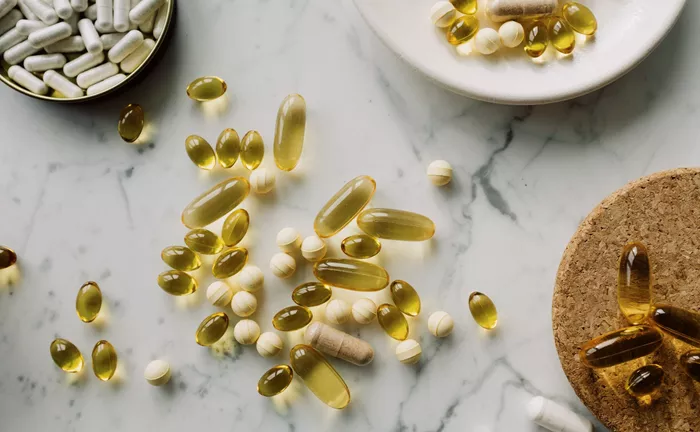
When women reach their 40s and 50s, many experience the symptoms of perimenopause or menopause: disrupted sleep, low energy, mood swings, hot flashes, and changes in metabolism. Unsurprisingly, the supplement industry has stepped in to meet this demand. In fact, the global market for menopause products is valued at nearly $17 billion, with the majority of spending going toward dietary supplements.
Menopause supplements promise to improve sleep, boost energy, support hormonal balance, and even reduce weight gain and mood disturbances—all in a capsule or powder. But with claims so broad, many women wonder: do these supplements actually work?
The Evidence Behind Hormone Supplements
Scientific research on multi-ingredient menopause supplements is limited. While some women report feeling better after taking them, much of the improvement can be attributed to the placebo effect, which is particularly strong in areas related to mood, pain, and sleep. Interestingly, studies show that higher prices and more elaborate packaging can make the placebo effect even stronger.
Most supplements contain a mix of herbal extracts, vitamins, and minerals, but the effectiveness of combining these ingredients is largely untested. Professor Susan Davis, a consultant endocrinologist and head of Monash University’s women’s health research program, emphasizes that supplements are primarily necessary only for individuals with nutritional deficiencies or malabsorption issues. For most women, a balanced diet and medical care are more reliable ways to address symptoms.
How Supplements Are Regulated
In the UK, menopause supplements are regulated differently depending on the claims they make. Unless a product is licensed by the Medicines and Healthcare products Regulatory Agency (MHRA) or granted Traditional Herbal Registration (THR) status, it cannot legally claim to treat specific menopause symptoms. THR-approved products, such as black cohosh or sage extracts, have a history of safe use but are not necessarily proven to be effective.
Despite regulations, some companies still make questionable claims online. The Advertising Standards Authority (ASA) monitors ads for misleading health claims, particularly for menopause products, but enforcement is limited. Consumers may be exposed to unverified claims without clear guidance on product safety or efficacy.
Risks and Concerns
While most supplements pose limited physical risk, some ingredients have been linked to liver damage. Ashwagandha and black cohosh, for example, have been associated with liver toxicity in rare cases. Multi-ingredient supplements are especially concerning because the interactions and concentrations of each ingredient are often untested.
Research also suggests that supplement labeling may not be accurate. Studies of milk thistle, gingko, and other herbal products found that many did not contain the stated ingredients or contained them in ineffective amounts. Without reliable testing, women may spend money on products that provide little or no benefit.
What Works for Menopausal Symptoms?
Experts generally agree that the most evidence-based non-prescription options for menopausal symptom relief are limited. Cognitive behavioral therapy (CBT) and hypnosis have shown benefit for hot flashes, while single-ingredient herbal remedies such as black cohosh or soy isoflavones may offer modest effects. Multi-ingredient, highly concentrated products often lack sufficient evidence to support their claims.
Importantly, supplements should not replace medical evaluation. Some symptoms attributed to menopause, such as fatigue or mood changes, may indicate underlying conditions like vitamin B12 deficiency, thyroid disorders, or hormonal imbalances that require professional treatment.
Bottom Line
Menopause supplements may offer perceived benefits through placebo effects, but scientific evidence is limited and inconsistent. Most products are more likely to affect your wallet than your health. Women considering supplements should consult a healthcare professional, focus on evidence-based treatments, and be cautious of marketing claims. The safest approach remains a combination of medical guidance, lifestyle adjustments, and credible, well-researched products.
YOU MAY ALSO LIKE
Menopause Supplements: Foods That May Help Manage Symptoms
Menopause Supplements: Navigating Hormone Therapy and Alternatives
Menopause Supplements: Could Creatine Improve Sleep and Brain Health?
