
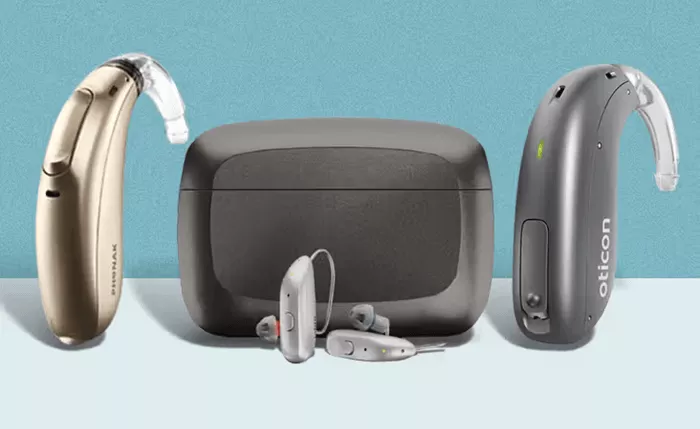
Hearing aids have evolved far beyond basic sound amplification. In 2025, modern devices not only enhance communication but also elevate the enjoyment of music. With advanced Bluetooth connectivity, improved sound processing, and specialized listening programs, today’s hearing aids cater to both auditory health and lifestyle needs.
To identify the best hearing aids for music lovers, the Forbes Health editorial team collaborated with certified audiologists and the independent testing laboratory HearAdvisor. Product evaluations considered sound quality, usability, and the latest innovations in digital hearing technology.
Methodology and Selection Criteria
The rankings were developed using a rigorous review process combining expert clinical input and acoustic performance testing. Factors considered included price, Bluetooth compatibility, battery life, tinnitus management, and music clarity. Each device’s rating reflects performance across these parameters:
- Starting price for a pair: 30%
- Tinnitus management and music performance: 30% combined
- Background noise reduction and battery options: 10%
- Bluetooth and app-based customization: 10%
- Sound quality verification from HearAdvisor: up to 10% bonus
Devices were selected from both over-the-counter (OTC) and prescription categories, ensuring options for users with mild to severe hearing loss.
Top Hearing Aids for Music Listening in 2025
Sennheiser All-Day Clear
Type: OTC | Price: $999.95 | Battery Life: 16 hours
A versatile receiver-in-canal model compatible with both iOS and Android, Sennheiser’s All-Day Clear combines Sonova technology with affordability. Audiologist Amy Sarow, Au.D. praises its performance: “An excellent starting option for mild to moderate hearing loss—reliable, comfortable, and budget-friendly.”
Sony CRE-E10
Type: OTC | Price: $899.99 | Battery Life: 26 hours
Designed for iOS users, Sony’s rechargeable in-ear model features an app-based self-fitting system. Lindsey Banks, Au.D. notes, “These discreet earbud-style devices deliver highly personalized sound calibration and a seamless Bluetooth music experience.”
Jabra Enhance Select 300
Type: OTC | Price: $1,695 | Battery Life: 24 hours
Known for its strong music streaming capabilities, Jabra Enhance Select 300 offers exceptional flexibility through its mobile app. Dr. Sarow recommends it for users seeking “prescription-level technology with the convenience of telehealth support.”
Oticon Intent
Type: Prescription | Price: $4,898 | Battery Life: 20 hours
Oticon’s premium model excels in feedback management and adaptability across various hearing loss levels. Audiologist Abigail Friend, Au.D. highlights its superior sound stabilization and advanced music optimization features.
Understanding Music and Hearing Aid Design
While hearing aids are primarily optimized for speech enhancement, music presents unique challenges. Music spans a broader frequency range—50 to 16,000 hertz—compared to speech’s 250 to 8,000 hertz. This wider spectrum and higher dynamic range (up to 120 decibels) often exceed the processing parameters of speech-focused hearing aids.
“Hearing aids are designed for speech clarity, not musical range,” explains Dr. Friend. “This can compress or distort certain tones, especially in live performances.”
However, modern hearing aids increasingly incorporate music-specific programs and Bluetooth streaming profiles that adjust compression and gain to preserve musical fidelity.
Enhancing the Music Experience
Audiologists recommend customizing hearing aids for music through tailored programs such as Oticon’s MyMusic feature, which optimizes sound processing for live and streamed audio. Users should discuss these adjustments with their hearing care professional to ensure safe, clear, and enjoyable listening—especially during concerts or professional performances.
Dr. Friend suggests:
- Adding a dedicated “music mode” for higher sound accuracy.
- Consulting audiologists for personalized sound profiles.
- Removing aids during loud concerts if mild hearing loss allows natural listening.
Conclusion
As technology continues to evolve, hearing aids are becoming powerful personal audio systems—offering enhanced frequency response, adaptive streaming, and discreet form factors. Whether through Sennheiser’s budget-friendly clarity or Oticon’s professional-grade precision, modern hearing aids ensure that music remains a vital and enriching part of life for those with hearing loss.
Related topics
