
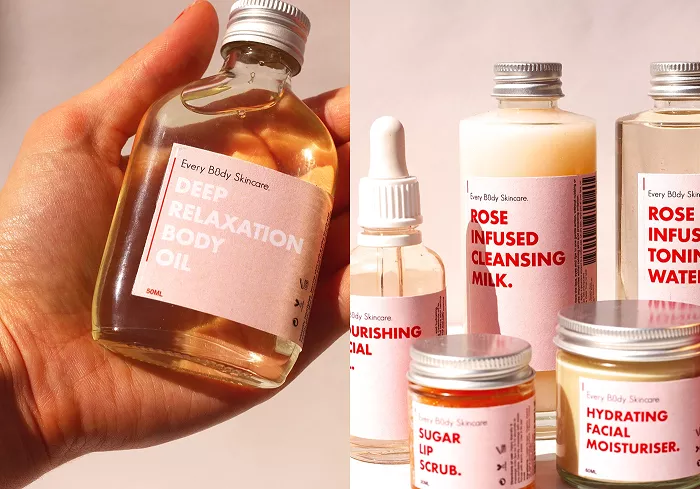
Modern anti-aging facial products have undergone a revolutionary transformation, driven by advanced scientific understanding of skin aging processes. Unlike traditional creams that merely plumped skin temporarily, today’s sophisticated multitasking moisturizers and facial serums operate at a cellular level to genuinely reverse signs of aging.
The current gold standard, according to dermatology experts, remains prescription-strength retinoids derived from vitamin A, which effectively stimulate collagen production and accelerate cell turnover. However, non-prescription alternatives containing lower concentrations of retinol have demonstrated significant efficacy in clinical studies, making powerful anti-aging accessible without medical consultation.
Contemporary formulations frequently combine retinol with complementary ingredients, including various proteins and botanical extracts, that work synergistically to address multiple aging concerns simultaneously, from fine lines to uneven texture and loss of elasticity.
Innovative Cleansing Technologies That Preserve Skin Barrier Integrity
Traditional soap-based cleansers often compromise skin health by stripping natural oils with harsh surfactants like sodium lauryl sulfate. Modern cleansing science has addressed this fundamental problem through the development of moisturizing non-soap cleansers and liquid formulations that clean while simultaneously nourishing the skin.
These advanced products incorporate ingredients like hyaluronic acid, an essential nutrient that helps retain moisture within the skin’s lipid barrier, alongside sustained-release ceramides that maintain optimal hydration levels throughout the day. For those with specific skin concerns, cleansers may include targeted active ingredients, such as benzoyl peroxide for acne-prone skin or salicylic acid for exfoliation without dryness.
The recent incorporation of hexamidine, a compound originally developed for moisture retention in disposable diapers, demonstrates how cross-industry innovations are enhancing skincare efficacy.
Gender-Specific Considerations in Skincare Product Development
While fundamental anti-aging ingredients remain consistent across gender lines, significant physiological differences necessitate tailored formulations. Men’s skin typically features greater thickness, increased oil production, and larger pores that may become clogged with heavier creams specifically designed for women’s skin.
Consequently, product developers have created solutions addressing male-specific concerns, including shaving-related issues. Pre-shave products now frequently contain moisturizers like aloe vera to soften facial hair and prepare the skin, while post-shave formulations incorporate cooling agents and anti-inflammatory compounds to reduce razor burn and soothe irritation.
These specialized approaches acknowledge that effective anti-aging strategies must accommodate biological differences in skin structure and common grooming practices.
The Paramount Importance of Comprehensive Sun Protection
Dermatologists consistently emphasize that prevention through sun protection represents the most crucial anti-aging strategy, with approximately 70% of visible aging signs attributable to ultraviolet radiation exposure.
Modern sunscreen technology has evolved dramatically from the thick zinc oxide pastes of the past, which, while effective, posed significant cosmetic drawbacks. Contemporary broad-spectrum sunscreens provide elegant formulations that protect against both UVA rays, primarily responsible for aging, and UVB rays that cause burning, while maintaining wearable cosmetic elegance.
These advanced photoprotection products help prevent various manifestations of photoaging, including uneven pigmentation, leathery texture, wrinkles, and age spots. However, experts stress that sunscreen alone cannot completely eliminate aging signs and should form part of a comprehensive sun protection strategy that includes protective clothing and avoidance of peak radiation hours.
Advanced Moisturization Technologies and Barrier Support Systems
The latest generation of moisturizers transcends basic hydration by incorporating sophisticated barrier-repair technologies and multi-functional ingredients. Ceramides, cholesterol, and fatty acids now appear in formulations that mimic the skin’s natural lipid composition to reinforce protective barrier function while preventing transepidermal water loss.
Hyaluronic acid remains a cornerstone ingredient, with various molecular weights enabling surface hydration and deeper skin penetration simultaneously. Novel humectants like glycerin and sodium PCA work in concert with occlusive agents to create optimal moisture equilibrium across different skin layers.
Additionally, many modern moisturizers include antioxidant complexes featuring vitamins C and E that provide environmental protection against pollution and free radical damage while supporting the skin’s natural repair mechanisms.
Conclusion
The remarkable advancements in anti-aging skincare offer unprecedented opportunities for maintaining youthful, healthy skin when approached systematically. Ultimately, achieving significant results requires consistent adherence to a personalized regimen that combines proven active ingredients with comprehensive sun protection.
Today’s consumers benefit from scientifically validated formulations that genuinely deliver on their promises when used correctly and persistently. As research continues to unravel the complexities of skin aging, the future promises even more targeted solutions, but current technologies already provide powerful tools for those committed to long-term skin health through daily protection, nourishment, and repair.
Related topics:
