
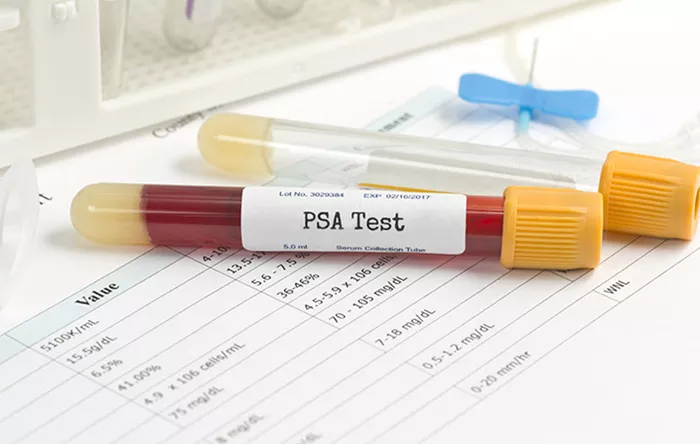
Prostate-specific antigen (PSA) testing for prostate cancer remains common among men aged 70 and older, even though guidelines advise against routine screening in this age group due to limited benefit.
A recent UK study analyzing over 10 million men found that the highest rates of PSA testing occurred in men in their 70s and 80s—those least likely to benefit from repeat screening. The study showed that nearly 40% of PSA tests administered were to men aged 70 and above, mirroring similar overscreening trends observed in the United States.
Current US Preventive Services Task Force (USPSTF) guidelines recommend against PSA screening for men 70 years and older, citing risks such as false-positive results, overdiagnosis, and overtreatment without clear evidence of life extension.
Despite this, survey data reveal that over half of men aged 70 to 74, and a significant portion above 75, still undergo PSA testing. The mismatch often stems from unclear patient and provider understanding, as well as testing prompted by urinary symptoms not directly linked to prostate cancer.
Another factor contributing to potential overtesting is frequent PSA retesting at shorter intervals than recommended. While international guidelines generally suggest retesting asymptomatic men every two to four years if PSA levels are between 1 and 3 ng/mL—and extending intervals even further for lower PSA levels—the UK study found median retesting intervals of just 12.6 months, increasing risks of unnecessary biopsies and treatments.
Experts highlight the need for targeted PSA testing focused on men most likely to benefit, typically those younger than 70 without significant comorbidities. Patient education and clinician-led interventions could help reduce overscreening, lowering harms related to prostate cancer screening such as anxiety, invasive procedures, and overtreatment.
Research is urgently needed to establish evidence-based guidelines for PSA retesting intervals to balance early detection benefits against the risks of overdiagnosis. Meanwhile, shared decision-making remains critical for men aged 55 to 69, the group most likely to benefit from PSA screening after informed discussion with healthcare providers.
Related topics
