
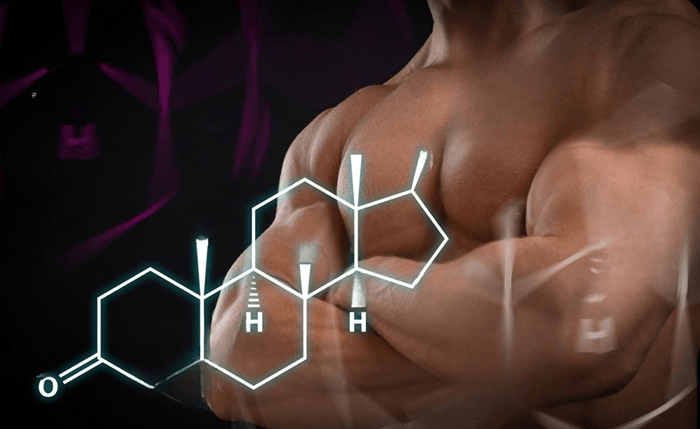
Testosterone is the key male hormone responsible for sexual function, muscle growth, and masculine traits like deeper voice and body hair. It’s also commonly linked in people’s minds with prostate cancer, raising the question: Does testosterone cause cancer?
Experts say testosterone does not cause tumors. However, it can stimulate the growth of existing prostate tumors, which is why monitoring hormone and PSA (prostate-specific antigen) levels is crucial. Men should start PSA screenings at age 50, or earlier if they have risk factors.
Testosterone replacement therapy (TrT) is widely considered safe when prescribed to restore normal hormone levels in men with clinically low testosterone. It does not increase prostate cancer risk directly. Yet, abusing testosterone supplements above normal levels can have serious consequences. These include infertility and shrinking of the testicles because the body reduces its own hormone production when external testosterone is supplied.
Over-the-counter “natural testosterone boosters” often have little to no proven efficacy and lack regulation, sometimes containing unknown ingredients.
Key points include:
Testosterone supplementation to restore normal levels is safe under medical supervision.
Excessive testosterone use, common in athletes for performance enhancement, can impair fertility and cause long-term endocrine damage.
Symptoms often attributed to low testosterone may be improved by lifestyle changes like weight loss, exercise, and diet rather than supplements.
Understanding the relationship between testosterone and prostate cancer requires recognizing that while the hormone can fuel tumor growth, it does not initiate cancer. Safe supplementation protocols and regular health monitoring are essential to minimize risks.
Related topics
Testosterone Supplements and Creatine: Do They Cause Hair Loss?
