
For individuals navigating life with advanced age-related macular degeneration (AMD), accessing printed text can become a significant challenge. A fundamental and highly effective adaptation involves transitioning to large-print materials. This includes selecting books, newspapers, and magazines that feature bold, high-contrast fonts. The widespread adoption of e-readers and tablets has been particularly transformative, as these devices allow users to customize font size, style, and background lighting for virtually any digital text, making reading a more comfortable and sustainable activity. These tools empower users to continue enjoying literature and staying informed with minimal eye strain, thereby supporting mental engagement and independence.
Mobility Aids for Enhanced Safety and Independent Navigation
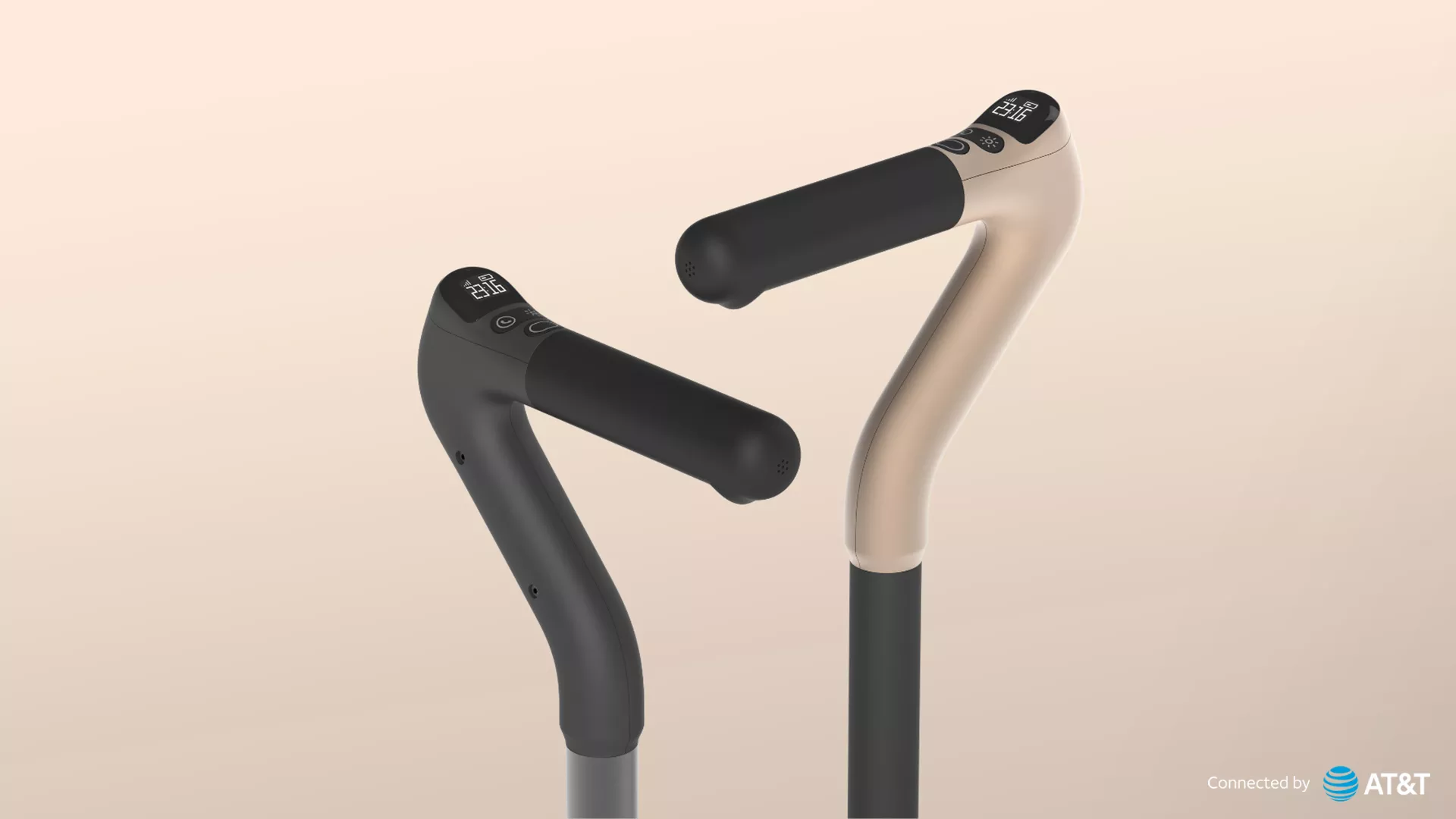
Maintaining safe and confident mobility is a primary concern for those with limited central vision. The white cane is a classic and vital tool for this purpose. Used as a probe, it provides tactile feedback about the terrain ahead, detecting curbs, steps, and obstacles. Technological advancements have led to the development of “smart” canes equipped with sensors and GPS, which can offer additional warnings and navigation assistance.
Standard canes are an affordable option, while more advanced models represent a significant investment. Proper technique, such as holding the cane in the hand opposite the weaker side and sweeping it in rhythm with walking, is crucial for maximizing its effectiveness and safety.
Specialized Optical Devices to Maximize Remaining Vision
While standard prescription glasses may not fully address the central vision loss caused by AMD, specialized low-vision optical devices can make a substantial difference. These are prescribed by low-vision specialists after a comprehensive evaluation. Options include high-powered hand-held or stand magnifiers for reading labels or mail, and telescopic lenses mounted on glasses (bioptic telescopes) for seeing distant objects like street signs or bus numbers. For some individuals, prismatic lenses or amber-tinted glasses can help enhance contrast and reduce glare, making it easier to discern objects and navigate different lighting conditions. The cost of these devices varies widely based on their complexity.
Leveraging Mainstream and Wearable Technology for Assistance
Everyday technology like smartphones, tablets, and computers have built-in accessibility features that are powerful low-vision aids. Features such as screen readers, voice commands, and zoom functions can transform these devices into versatile tools for communication and information access. Furthermore, the field of wearable technology is advancing rapidly.
Devices like electronic glasses (e.g., eSight) use a camera to capture the environment and display a processed, magnified image on screens in front of the user’s eyes. Many modern versions incorporate artificial intelligence for features like facial recognition and object identification, offering a high-tech solution to enhance visual perception.
Surgical Intervention as a Last Resort Treatment Option
In very specific and rare cases, a surgical option may be considered. The Implantable Miniature Telescope (IMT) is a device that is surgically implanted inside the eye to replace the natural lens. It works by projecting an image onto a healthy part of the retina, bypassing the damaged macula.
Candidacy for an IMT is extremely strict, requiring patients to be over 65 with end-stage AMD in both eyes, no prior cataract surgery in the implant eye, and having found no success with other treatments. This procedure is costly but may be covered by Medicare under specific conditions, following a rigorous evaluation process.
Navigating the Selection Process and Financial Considerations
Choosing the right assistive technology is a highly personal decision that should be guided by a low-vision specialist or occupational therapist. Key factors to consider include the individual’s specific visual needs, lifestyle, daily activities, ease of use, portability, and budget.
It is common for a person to use different devices for different tasks. Financially, while health insurance, including Medicare, may cover some devices like the IMT or basic canes if prescribed, many advanced technologies are often out-of-pocket expenses. Patients are encouraged to explore assistance programs from non-profit organizations such as the National Federation of the Blind or Mission for the Visually Impaired to help offset costs.
Related topics:
