
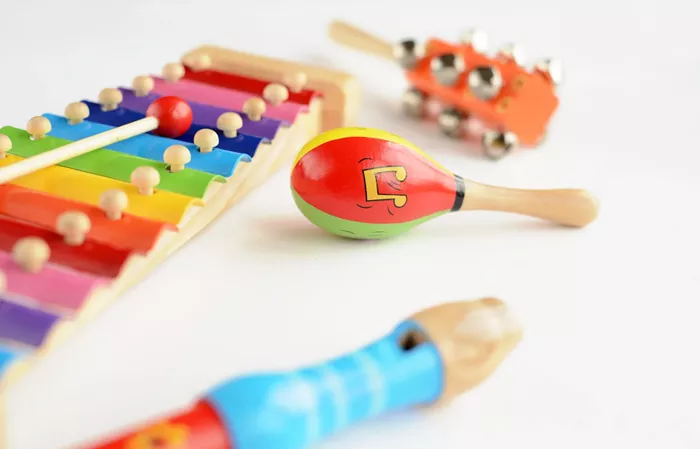
Music has long been recognized as a powerful medium for conveying emotions, whether through live performances or film soundtracks. New research suggests that children can detect and interpret these emotional cues from a surprisingly early age—sometimes even before they have fully developed verbal skills.
A study led by the University of Pennsylvania’s Department of Psychology examined how well 144 children aged 3 to 5 could recognize happiness, sadness, calmness, or fear in five-second musical clips. The results, published in Child Development, revealed that even the youngest participants performed better than chance, with accuracy improving as they got older.
Researchers also explored how “callous-unemotional” traits—characterized by low empathy, limited guilt, and restricted emotional expression—affect musical emotion recognition. These traits are linked to higher risks of aggression, rule-breaking, and certain psychological disorders.
The study found that children with higher scores for these traits generally showed weaker emotion recognition from music, but notably, they were just as adept as their peers at identifying fear.
“This is the first study to examine whether children with higher callous-unemotional traits struggle with recognizing emotion in music,” said Associate Professor Rebecca Waller, co-senior author of the study. “We found that children can match emotion in faces to the ‘correct’ emotion in music—even as early as age 3. This highlights music’s role in emotional development and social skills, especially for children still learning to express themselves verbally.”
Co-first author and postdoctoral fellow Yael Paz noted that earlier work from Waller’s lab showed children with higher callous-unemotional traits often struggle to recognize distress in facial expressions.
The team expected similar results with fearful music, but the outcome was different—suggesting that music could be a unique tool for helping such children better understand emotions.
The study involved children with generally low levels of callous-unemotional traits, and researchers plan to expand future work to clinical populations. They also aim to explore whether genetics, environmental factors, or personal experiences shape a child’s ability to recognize emotions in music.
“We’re excited to continue using music as both a research tool and potential intervention,” Waller said. “Its emotional power could be especially beneficial for children who find other forms of emotional recognition challenging.”
READ MORE
Many Children and Teens Receive Antipsychotic Drugs Without Clear Medical Need
Genetic Test Predicts Childhood Obesity Risk Before Age Five
FDA Updates ADHD Stimulant Labels to Warn of Weight Loss Risk in Children Under 6
