
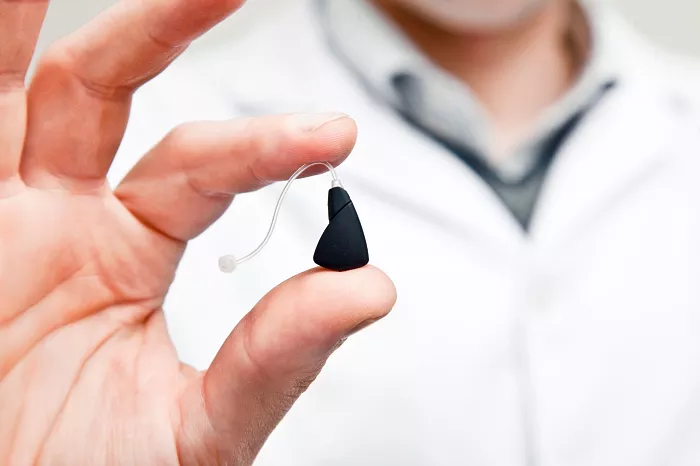
A hearing aid is a small electronic device worn in or behind the ear, designed to make sounds louder for individuals with hearing loss. These devices are crucial for mitigating the significant impact hearing loss can have on professional and personal life. Unlike cochlear implants, which bypass damaged parts of the ear to directly stimulate the auditory nerve, hearing aids work by amplifying environmental sounds.
The three essential components inside every hearing aid are a microphone that picks up sound, an amplifier that makes the sound stronger, and a receiver that delivers the amplified sound into the ear. Modern digital hearing aids use sophisticated computer chips to process sound far more intelligently than older analog models.
The Evolution of Hearing Aid Technology and Styles
The journey from large ear trumpets to today’s discreet devices marks a significant technological evolution. Early electronic hearing aids using vacuum tubes were cumbersome and impractical. The invention of the transistor enabled the first wearable behind-the-ear and in-the-ear models. The digital revolution transformed hearing aids into programmable mini-computers capable of complex sound processing.
Today, several styles are available to suit different needs and preferences. These include completely-in-the-canal models, which are nearly invisible; in-the-ear models that fill the outer ear; and various behind-the-ear designs with small tubes or wires connecting to the ear canal. The choice of style depends on the degree of hearing loss, manual dexterity, and lifestyle requirements.
Key Modern Features and How They Enhance Listening
Contemporary hearing aids are packed with features that dramatically improve the user experience in challenging listening situations. Directional microphones focus on sounds coming from the front, making it easier to understand speech in noisy environments like restaurants. Bluetooth connectivity allows for direct streaming of phone calls, music, and television audio from smartphones and other devices directly into the hearing aids.
Additionally, features like telecoils can connect to public loop systems in theaters and churches, providing clearer sound by reducing background noise. Rechargeable batteries offer great convenience, eliminating the need for frequent battery changes. Many advanced models can also automatically adjust settings based on the acoustic environment.
The Process of Obtaining and Adapting to Hearing Aids
The path to getting hearing aids typically begins with a medical evaluation by a doctor to rule out temporary causes of hearing loss, like earwax buildup. This is followed by a comprehensive hearing test conducted by an audiologist, who will recommend the most appropriate type and technology level.
Based on a prescription, individuals can then be fitted with custom-programmed devices. A critical phase is the adaptation period, which requires patience as the brain relearns to process sounds it has not heard clearly for some time. Starting with short wearing sessions in quiet environments and gradually increasing use helps build comfort and success.
Financial Considerations and Insurance Coverage
The cost of hearing aids can vary widely, with prescription devices ranging from one thousand to several thousand dollars per ear. This cost usually includes the device itself, professional fitting services, and follow-up care. However, insurance coverage for adults is often limited. Medicare typically does not cover hearing aids, though some Medicare Advantage plans may offer benefits.
Medicaid coverage for adults varies by state. To manage costs, individuals can explore options offered by warehouse clubs, look for sales, or seek assistance from nonprofit organizations. Veterans may be eligible for hearing aids and related services through the VA.
Maintenance, Care, and Long-Term Management
Proper maintenance is essential for the performance and longevity of hearing aids. This includes daily cleaning to prevent damage from moisture and earwax, using a soft, dry cloth, and specialized tools provided in a cleaning kit. Devices should be stored in a dry, cool place away from children and pets, and turned off when not in use.
While hearing aids generally last between three and seven years, technological advancements may motivate earlier upgrades. Regular follow-up appointments with an audiologist are crucial to ensure the devices are functioning optimally and to readjust them as hearing needs change over time.
Related topics:
