
Adequate protein intake is fundamental for maintaining skin’s structural integrity and youthful appearance. Lean meats, poultry, fish, eggs, and legumes are excellent sources of high-quality protein. The amino acids derived from these foods serve as the essential building blocks for collagen and elastin, the proteins responsible for skin’s firmness and elasticity.
To maximize benefits, experts recommend distributing protein intake evenly throughout the day’s meals rather than consuming a large amount in one sitting. Cooking methods also matter; grilling, baking, or poaching are preferable to high-heat charring, which can create advanced glycation end-products (AGEs) that damage skin proteins. For optimal results, combine both animal and plant-based proteins to ensure a diverse array of amino acids.
Essential Fatty Acids: Fortifying Your Skin’s Moisture Barrier
Healthy fats, particularly omega-3 and omega-6 fatty acids, are crucial for maintaining the skin’s lipid barrier. This barrier is vital for locking in moisture and protecting against environmental irritants. Fatty fish like salmon and mackerel, along with walnuts, flaxseeds, and chia seeds, are rich sources of these anti-inflammatory fats. Regular consumption helps keep skin supple and hydrated and can mitigate inflammatory conditions like eczema and psoriasis. Nutritionists often recommend consuming two to three servings of fatty fish per week. For those following a plant-based diet, incorporating a daily serving of nuts or seeds can help meet these nutritional needs and support overall skin health.
Antioxidant Vitamins: Your Internal Defense Against Aging
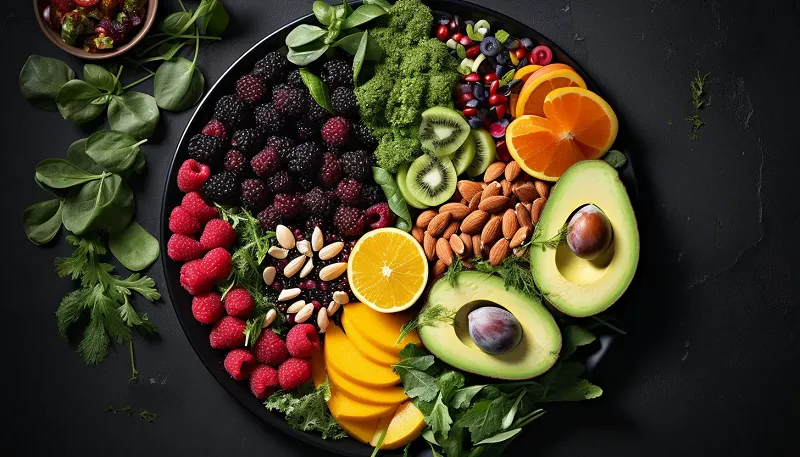
Vitamins A, C, and E form a powerful trio of antioxidants that protect the skin from oxidative stress caused by free radicals. Vitamin C, found abundantly in citrus fruits and bell peppers, is particularly vital as it stimulates collagen synthesis. Vitamin A (from beta-carotene in sweet potatoes and carrots) promotes skin cell turnover, while Vitamin E (in nuts and seeds) provides potent protection against UV-induced damage. A great strategy is to “eat the rainbow,” consuming a wide variety of colorful fruits and vegetables to ensure a broad spectrum of these protective compounds. Remember that fat-soluble vitamins (A, E, D, K) are best absorbed when consumed with a source of healthy fat, like olive oil or avocado.
The Mighty Cruciferous Family: Detoxification and Protection
Vegetables like Brussels sprouts, broccoli, and cauliflower are nutritional powerhouses for skin health. They are rich in skin-supporting vitamins A and C, as well as folate. More uniquely, they contain sulfur-based compounds called glucosinolates, which support the body’s natural detoxification processes. This can help clear toxins that might otherwise contribute to skin inflammation and dullness. If you have unpleasant memories of boiled cruciferous vegetables, roasting them with olive oil and garlic can transform their flavor, creating a delicious side dish that benefits your complexion from the inside out.
Polyphenols and Resveratrol: Combating Inflammation and UV Damage
Plant compounds known as polyphenols offer remarkable anti-inflammatory and protective benefits. A standout is resveratrol, found in grape skins, red wine, and berries. As explained by dietitians, resveratrol helps combat inflammation and may help mitigate the effects of UV radiation, though it is not a substitute for sunscreen. Other excellent sources of skin-loving polyphenols include green tea, dark chocolate, and pomegranates. Incorporating a variety of these foods into your diet provides a synergistic effect, enhancing your skin’s natural ability to fight off environmental aggressors and maintain a radiant glow.
Hydration and Micronutrients: The Foundation of Radiant Skin
While often overlooked, proper hydration is the absolute foundation of plump, dewy skin. Water helps to flush out toxins and transport nutrients to skin cells. Beyond water, minerals like zinc and selenium play critical roles. Zinc, found in shellfish and pumpkin seeds, aids in cell regeneration and helps control oil production. Selenium, abundant in Brazil nuts, helps protect skin from UV-induced damage. A holistic approach that combines adequate hydration, a diverse intake of whole foods, and a consistent skincare routine is the most effective strategy for achieving and maintaining healthy, vibrant skin at any age.
Related topics:
