
The global neurostimulation devices market is projected to grow significantly, reaching an estimated USD 35.8 billion by 2035. According to MarketGenics, a leading healthcare research firm, the market is expected to expand at a compound annual growth rate (CAGR) of 11.2% from 2025 to 2035. This surge is driven by technological advancements, increasing demand for minimally invasive neurological treatments, and the integration of artificial intelligence (AI) in patient care.
Recent Innovations and Industry Partnerships
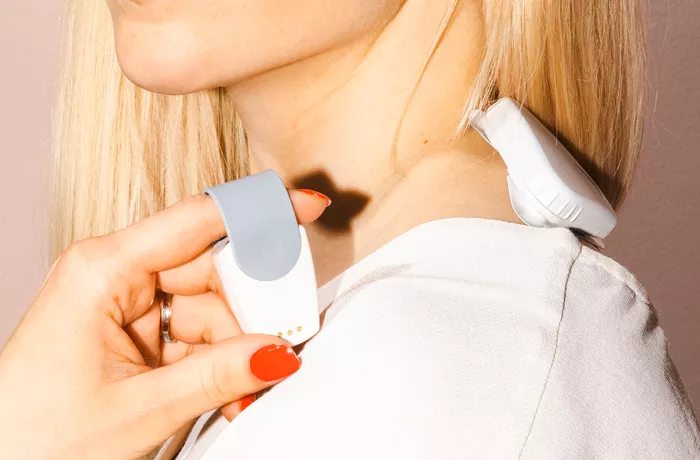
In April 2025, NeuroVibe Therapeutics introduced the NuroFlex Adaptive Stimulator, a non-invasive, wearable biofeedback device that offers relief for chronic migraine and anxiety at home without surgery or implants. The device harnesses real-time biofeedback and adaptive pulse modulation, marking a breakthrough in patient-friendly neurostimulation.
Additionally, NeuroLink Health partnered with Medtronic to develop remote Deep Brain Stimulation (DBS) adjustments via real-time brain signal tracking, allowing neurologists to fine-tune therapies from anywhere. This innovation especially benefits patients in rural or underserved areas.
Earlier in 2024, NeuroPace Inc. launched the fourth generation of its RNS® System, leveraging AI for precise, real-time monitoring and longer battery life to better manage drug-resistant epilepsy.
Market Growth Drivers
- Rising Incidence of Neurological Disorders: Conditions such as chronic pain, Parkinson’s disease, epilepsy, and depression contribute to increasing demand for neurostimulation solutions worldwide.
- Preference for Minimally Invasive and Implantable Treatments: Healthcare providers and patients alike are seeking less invasive, more effective neurological care options.
- Integration of AI and Remote Monitoring: AI-enhanced systems and wearable biofeedback devices improve personalized treatment and remote patient management.
- Expanded Insurance Coverage and Healthcare Access: Broader insurance support in key regions enhances patient affordability and market penetration.
Challenges in Market Expansion
High costs remain a significant barrier, with neurostimulation treatments costing between USD 15,000 and USD 50,000, excluding follow-ups and device maintenance. Furthermore, stringent regulatory requirements across regions such as the U.S., Europe, and India slow product approvals and impact time-to-market for new devices.
Emerging Opportunities
The demand for wearable biofeedback devices and digital health integration opens new market frontiers. Connected cloud platforms and mobile applications are enabling secure remote monitoring and management, as seen with devices like NuroFlex and AI-powered neurostimulators.
Market Segmentation and Leadership
The spinal cord stimulator (SCS) segment currently leads the market, accounting for approximately 40% share in 2025. SCS devices are considered the gold standard for chronic pain management, offering long-term relief while reducing opioid dependency. Advanced systems, such as Medtronic’s AdaptiveStim, automatically adjust stimulation based on patient activity for enhanced comfort and effectiveness.
Regional Market Insights
North America: The largest and most mature market, supported by advanced healthcare infrastructure, strong insurance systems, and major industry players like Medtronic, Abbott, and Boston Scientific.
Europe: Growth driven by government health programs, patient awareness initiatives, and steadily increasing neurological treatment funding.
Asia Pacific: The fastest-growing region due to rising neurological disorder prevalence, expanding middle-class healthcare spending, and significant infrastructure investments.
Key Industry Players
The neurostimulation market is dominated by established companies such as Medtronic plc, Abbott Laboratories, Boston Scientific Corporation, Nevro Corp, LivaNova plc, Cochlear Ltd, Axonics Modulation Technologies, and NeuroMetrix, alongside emerging innovators advancing wearable and AI-enabled devices.
Conclusion
The coming decade promises transformative growth in neurostimulation and biofeedback devices. Advances in AI, non-invasive wearable technologies, and remote treatment platforms will improve patient outcomes and increase access to effective neurological care while reducing reliance on drug therapies.
YOU MAY ALSO LIKE
Should You Wear Your Hearing Aids All the Time?
Thinking About Hearing Aids? How to Get Started and What to Know
