
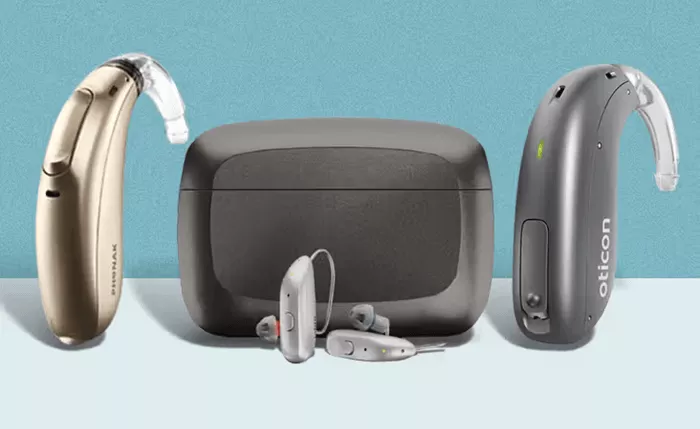
If you suspect you might need hearing aids or haven’t had your hearing checked recently, your first step should be to consult a healthcare professional. The Food and Drug Administration (FDA) recommends visiting an ear, nose, and throat (ENT) specialist—also called an otolaryngologist—to rule out any medical conditions like infections that might be causing hearing difficulties.
While over-the-counter (OTC) hearing aids are now available for adults with mild to moderate hearing loss, seeing a medical professional first remains important to confirm the diagnosis and explore all treatment options. For guidance on OTC devices, Consumer Reports offers helpful questions to ask, and the HearWell campaign provides a detailed FAQ on OTC hearing aids.
Understanding the Hearing Care Team
Hearing care professionals include audiologists, hearing instrument specialists, and ENTs, each with different training and licenses. The American Academy of Audiology explains the distinctions. Always verify that your provider is properly licensed; the American Speech-Language-Hearing Association (ASHA) maintains a list of licensing requirements by state.
Shopping for Hearing Aids: What to Expect
Choosing the right hearing aid involves more than just the device. Here are key factors to consider:
- Brand Selection: Make sure your provider offers a choice of brands from different manufacturers to find the best fit for your needs.
- Reputation and Service: Ask for recommendations and read reviews. Pay attention to the provider’s willingness to listen, flexibility, and follow-up care.
- Convenience: Choose a provider with a convenient location and office hours, as you’ll likely need multiple follow-up visits to fine-tune your hearing aids.
- Assistive Technology: Ask if your hearing aids support telecoil technology, which works with hearing loops installed in some public places to improve sound clarity.
- Contract Details: Understand the terms of your purchase, including trial periods, warranties, and total price. Many states require a 30- to 60-day trial period to test hearing aids risk-free.
Important Considerations After Purchase
Adjusting to hearing aids takes time and may involve additional support such as auditory training, speech-reading classes, or support groups like those offered by the Hearing Loss Association of America. Your brain needs time to adapt to new sounds, especially if you’ve had hearing loss for several years.
Your provider should conduct a “real ear” test, which measures how the hearing aid performs in your ear canal to ensure the best sound quality. If you’re not satisfied with your provider or device, don’t hesitate to shop around using your audiogram and take advantage of trial periods.
Decoding Hearing Care Credentials
Many hearing professionals use abbreviations after their names to show credentials. Here are some common ones to know:
- Au.D.: Doctor of Audiology.
- ABA: Certified by the American Board of Audiology.
- ASHA: Certified by the American Speech-Language-Hearing Association.
- CCC-A: Certificate of Clinical Competence in Audiology.
- IHS: Member of the International Hearing Society.
- NBC-HIS: Certified hearing instrument specialist.
Understanding these credentials can help you choose a qualified professional for your hearing care needs.
The Impact of Hearing Aids on Health
Wearing hearing aids not only improves communication and quality of life but also supports brain health. Research shows that consistent hearing aid use can enhance brain processing over time, making timely hearing care especially important for overall health and well-being.
Related topics
Best Hearing Aids 2025: Expert Picks for UK Users
