
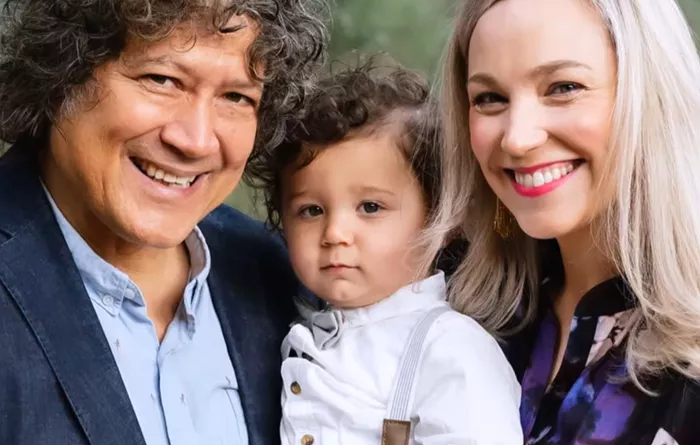
In-vitro fertilization (IVF) is often described as a lifeline for couples struggling with infertility. But behind the science, injections, and medical procedures lies a deeply personal human story. For many families, the road to parenthood through IVF is paved with hope, heartbreak, resilience, and, often, silence. As a father who went through 15 rounds of IVF with my wife, I learned just how invisible men can sometimes feel during the process.
Living in the World of IVF
For years, IVF dominated our lives. My wife, Angela, and I became accustomed to the endless appointments, hormone injections, egg collections, and emotional ups and downs. While IVF gave us a chance to become parents, it also created an environment of constant stress and uncertainty. Add to that the isolation of Melbourne’s COVID-19 lockdowns, and it often felt like we were going through it alone.
There were moments of gratitude, knowing we had access to fertility treatments at all. But most of the time, it felt like survival. Each failed round took a toll, yet we kept moving forward, clinging to the possibility of success.
When Fathers Feel Invisible
One of the hardest parts of the journey was feeling sidelined as a partner. At one of our first scans, I was asked if it was “necessary” for me to be there, as though my presence didn’t matter. That moment left me stunned. Creating life requires both egg and sperm, yet I felt more like a bystander — or worse, just a sperm donor — rather than an equal partner in the process.
Eventually, things improved when we switched clinics, but the early experiences left an impression. Many fathers quietly feel invisible during IVF, even though they are deeply invested in the outcome.
The Role of Support and Silence
While Angela endured the physical strain — daily injections, fluctuating hormones, and invasive procedures — my role became one of emotional support. I wanted to be her rock, which meant pushing my own feelings aside. But that silence came at a cost. There is often an unspoken expectation for men to “suck it up” and be stoic. Admitting vulnerability or overwhelm felt out of place in a medical system that seemed designed for one partner, not both.
Counseling services were technically available, but they felt more like a formality than real support. Male partners, in my experience, are rarely given the space to process their own emotions. This can lead to feelings of isolation and burnout.
The Power of Talking Openly
What helped me most was connecting with other men who had been through IVF. Those conversations became a lifeline. Unless someone has lived through it, they cannot fully understand the emotional toll each cycle brings. Some friends disappeared during this period, unsure of how to support us. Others stepped up in unexpected ways. Talking openly — whether with mates, at gigs, or even online — helped break down the silence around IVF.
When Angela shared our journey publicly on social media, we were surprised by the number of people who reached out with similar experiences. The simple act of sharing made us feel less alone — and reminded us of the power of connection.
A Wake-Up Call
Two years ago, our perseverance paid off. Our son Jimi was born — a miracle after doctors had given us only a four percent chance of success. Holding him for the first time remains the greatest joy of my life.
But IVF does not end with one happy outcome. Last year, Angela had an ectopic pregnancy that required emergency surgery. It was a stark reminder of the risks my wife has shouldered throughout this journey. IVF may bring hope, but it also comes with medical, emotional, and financial costs that weigh heavily on families — often disproportionately on women.
Lessons Learned
If there is one thing IVF has taught me, it is patience and gratitude. The process forced us to live with uncertainty, but it also made us cherish the gift we were ultimately given. As we consider whether to try for a second child, we carry both hope and caution, knowing more clearly than ever what is at stake.
For fathers, partners, and anyone supporting a loved one through IVF, it is important to remember: your feelings matter too. The more we talk openly about infertility and IVF, the more we can create a culture of understanding and support for everyone involved.
Related topics
Future Family Appoints New CEO as IVF Demand Rises
Loss of Trp53 Gene Weakens Immune Response in Ovarian Cancer
