
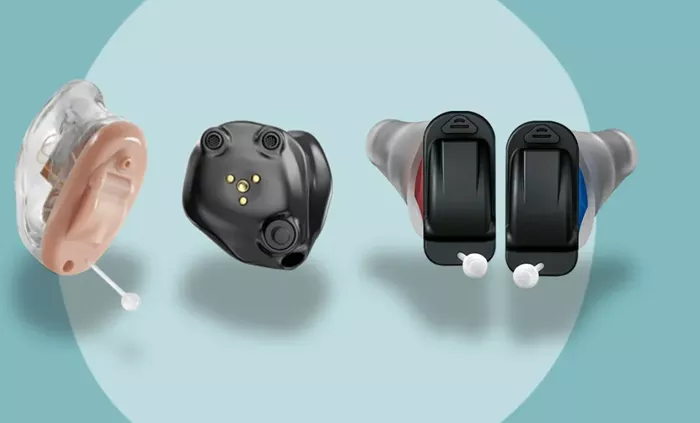
Hearing loss affects millions of Americans, especially as they age. Roughly 14% of adults ages 45 to 64 report some level of hearing difficulty, and by age 65, that number increases sharply. Globally, the World Health Organization estimates that nearly 2.5 billion people will experience hearing loss by 2050.
In 2023, the FDA authorized hearing-aid software that allows certain Apple AirPods to function as over-the-counter hearing aids for adults with mild to moderate hearing loss. At around $200, AirPods Pro 2s offer a more affordable alternative to traditional hearing aids, which can cost hundreds or even thousands of dollars. While people with more complex hearing needs still benefit from professional audiology care, this approval marks a turning point in reducing cost and stigma.
Translation and accessibility on the go
Apple’s AirPods now offer Live Translation, enabling real-time two-way communication in multiple languages. For everyday interactions—like medical visits, parent-teacher meetings, or pharmacy consultations—this feature is less a novelty and more a practical bridge across language barriers.
Meanwhile, Bluetooth Auracast is transforming public spaces. The new broadcast audio standard allows users to connect their own earbuds or hearing aids to live audio streams in places like theaters, airports, and lecture halls. Google has already integrated Auracast support into Android 16, making accessibility as seamless as joining a Wi-Fi network.
Vision support through smartphones
Vision decline is also widespread: more than 2.2 billion people worldwide live with some form of impairment. Smartphone tools are stepping in to help. On iPhones, the Magnifier app includes features like Door Detection, which describes how a door opens, and Point and Speak, which reads out physical labels. On Android, Google’s Lookout app now uses AI-powered Image Q&A to answer practical questions like “What does this sign say?” or “Is this my blue shirt?”
Managing chronic conditions at home
In 2024, the FDA approved the first over-the-counter continuous glucose monitors (CGMs). Devices like Dexcom’s Stelo and Abbott’s Libre Rio allow people with type 2 diabetes or prediabetes to monitor their glucose without a prescription. By pairing with smartphones, these tools make it easier to track how meals, exercise, and lifestyle choices affect blood sugar levels.
Health impact and independence
These innovations go beyond convenience. A landmark NIH-funded study found that treating hearing loss in older adults reduced cognitive decline over three years. Similarly, easier diabetes management can lead to better long-term health outcomes. When everyday devices double as medical support, they lower barriers to care and increase independence.
The bigger picture
The future of health technology is about accessibility through familiar tools. Instead of relying solely on expensive, specialized devices, people can turn to affordable consumer tech they already use daily. For those with hearing or vision challenges, chronic conditions, or simply the effects of aging, this shift offers something invaluable: more control, less stigma, and greater quality of life.
YOU MAY ALSO LIKE
Should Over-the-Counter Hearing Aids Be Your Choice? Expert Insights
ew Study Finds Hearing Aids Can Help Older Adults Fight Social Isolation
Sleep Aids and Health Tech Dominate CES 2025 Wellness Innovations
