
Hearing loss is more than a minor inconvenience; it significantly impacts overall health, increasing risks of social isolation, depression, and falls. Experts emphasize that untreated hearing loss can affect quality of life, underscoring the importance of timely intervention.
Over-the-counter (OTC) hearing aids offer a new option for adults with perceived mild to moderate hearing loss, allowing access to hearing assistance without prescription requirements. These devices can improve everyday communication by amplifying sound, making them a convenient and potentially more affordable alternative to prescription hearing aids.
Expert Recommendations on Hearing Care
Barbara Kelley, Executive Director of the Hearing Loss Association of America, advises regular hearing assessments rather than waiting for noticeable symptoms. “There is no such thing as a small hearing loss,” she says, highlighting the importance of early detection.
Lindsay Creed, Associate Director of Audiology Practices at the American Speech-Language-Hearing Association, suggests getting an audiological evaluation before purchasing hearing aids. This helps diagnose specific hearing issues or underlying conditions, ensuring appropriate treatment. Many insurance plans cover these evaluations.
Who Should Consider OTC Hearing Aids?
OTC hearing aids are designed for adults over 18 with mild to moderate hearing loss. They are not suitable for individuals with severe hearing loss or those with complex ear conditions, who should seek professional care.
Key Considerations When Choosing OTC Hearing Aids
OTC hearing aids vary widely in design, features, and price. Consumers should note the following:
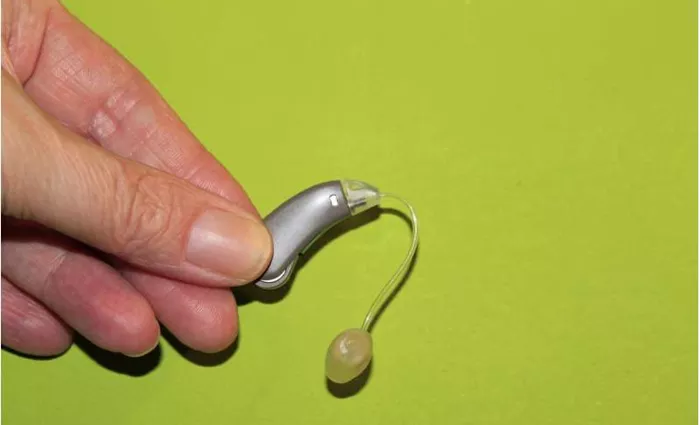
Device Type: Options range from behind-the-ear to discreet in-ear models.
Warranty and Returns: A solid warranty and easy return policy provide consumer protection.
Cost: Prices may range from under $1,000 to several thousand dollars, sometimes matching prescription aid costs.
Features: Some models include Bluetooth connectivity and waterproofing, while others prioritize discreetness or budget.
Popular OTC Hearing Aids in 2025
Jabra Enhance Select 300: A behind-the-ear model with Bluetooth, long battery life, and water resistance.
Eargo 8: A nearly invisible in-ear device ideal for users seeking a low-profile look, but without Bluetooth.
Lexie B2 Plus: An affordable two-piece design offering Bluetooth at under $1,000.
Apple AirPods Pro 2: Though primarily wireless earbuds, they include FDA-approved hearing aid features and are good for occasional use, especially for iPhone users, albeit with shorter battery life.
Limitations and When to Seek Professional Help
While OTC hearing aids increase accessibility, they provide generalized amplification and may lack advanced features critical for complex hearing loss cases, such as background noise reduction. Professional fitting and ongoing care remain essential for optimal hearing health.
Experts caution that OTC devices do not replace the need for comprehensive hearing evaluations, which can detect underlying medical issues and ensure the best hearing solution.
In summary, OTC hearing aids can be a practical first step for adults with mild to moderate hearing loss, but consulting with a hearing specialist is advisable to ensure the best outcomes and address any serious conditions.
YOU MAY ALSO LIKE
Poll Shows Trump Voters Back Most Vaccines Ahead of Kennedy Hearing
Loneliness May Raise Risk Of Hearing Loss, Study Finds
New Study Finds Hearing Aids Can Help Older Adults Fight Social Isolation
