
A new review suggests that pregnancies involving partner-egg IVF—sometimes called co-IVF—may carry higher risks for both mothers and babies compared with standard IVF using a woman’s own eggs.
What the Study Found
Researchers from King’s College London, Anglia Ruskin University, and the University of Leeds analyzed data from more than 9,000 patients across five studies. They compared outcomes in same-sex female couples who used their partner’s egg for IVF with those who used their own egg.
The findings, published in the Journal of Homosexuality, suggest that women who carried a pregnancy using their partner’s egg faced higher rates of:
- Pre-eclampsia (a dangerous condition involving high blood pressure)
- Gestational diabetes
- Low birth weight in babies
While some evidence pointed to slightly higher live birth rates with co-IVF, the increased risk of complications raised concerns.
What Is Co-IVF?
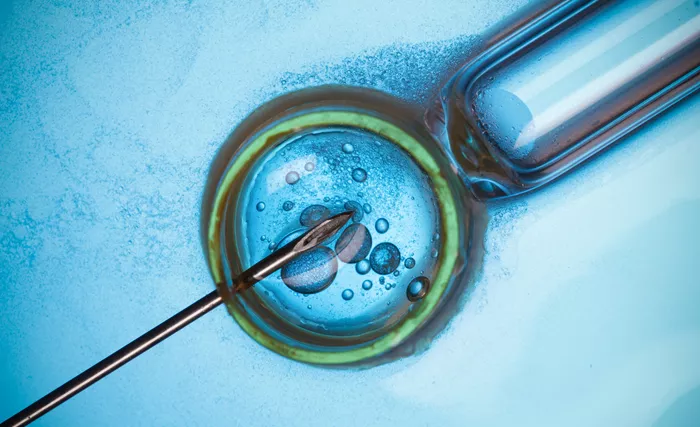
In co-IVF, also called “reciprocal IVF,” eggs are retrieved from one partner, fertilized with donor sperm, and then transferred into the other partner’s uterus. The procedure allows both partners to be biologically connected to the pregnancy—one as the genetic mother, the other as the birth mother.
This approach has grown increasingly popular. In the U.K., IVF cycles for same-sex female couples rose nearly seven-fold between 2008 and 2018. Rates of co-IVF specifically have also climbed significantly.
Why It Matters
Experts emphasize that patients considering co-IVF should be given clear, unbiased information about potential risks.
“All women deserve full, unbiased information about the extra risks to mother and baby associated with carrying a donor-egg pregnancy,” said Professor Susan Bewley, emeritus professor of obstetrics and women’s health at King’s College London. “That way, they can make their own decisions about whether the risk outweighs the benefit.”
Professor Catherine Meads of Anglia Ruskin University added that more large-scale research is needed to confirm the findings:
“These worrying preliminary results need to be investigated further to determine the precise additional risks when women opt to undertake a pregnancy with a donated egg.”
Elizabeth Choong, the University of Leeds medical student who helped lead the analysis, noted that growing numbers of same-sex couples are choosing co-IVF.
“It’s vitally important that the risks they face in undergoing this procedure are clearly explained from the outset,” she said. “We hope our research helps same-sex couples make fully informed family planning decisions.”
YOU MAY ALSO LIKE
Robotic IVF Startup Conceivable Raises $50M to Expand Access
IVF Innovation: Conceivable Raises $50M to Advance AI and Robotics
