
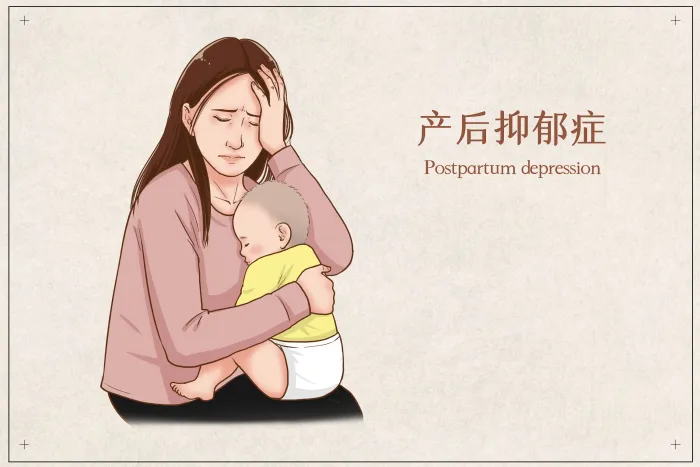
A Traumatic Birth and the Onset of Postpartum Depression
Kysten Alvarez’s story is a testament to the unpredictable challenges many mothers face in the postpartum period. Seven and a half months into her pregnancy, Alvarez suffered an accident that resulted in four broken bones in her foot. Within hours, she underwent an emergency C-section to deliver her baby boy, who was subsequently admitted to the neonatal intensive care unit (NICU). The first five days after birth were spent in the hospital, separated from her newborn and grappling with physical pain and immobility. Once home, Alvarez’s difficulties intensified—her foot was immobilized in a cast, making even basic tasks like bathing her child impossible.
The combination of physical limitations and emotional turmoil quickly led to overwhelming feelings of despair, guilt, shame, and worthlessness. Alvarez began to internalize these struggles, questioning her adequacy as a mother and feeling unable to support her baby. These thoughts spiraled, culminating in the belief that her family would be better off without her. In a moment of crisis, she contemplated leaving home for a shelter, burdened by the sense that she was failing those she loved.
This experience is not unique; postpartum depression (PPD) affects countless women across the United States each year. According to research published in the Journal of Racial and Health Disparities (2016), Latina women living in small towns and rural communities face a nearly 40% higher risk of developing PPD compared to the general population. A separate study from the Journal of Affective Disorders (2013) reported that while approximately 13% of all women experience PPD, the rate for Latina immigrants rises dramatically to 54%. Despite this heightened risk, Latina women are less likely to seek mental health treatment—only 35.1% receive care annually versus the national average of 46.2%, as noted by the National Alliance on Mental Illness.
Cultural Barriers and Internal Struggles with Seeking Help
Alvarez’s journey highlights deep-rooted cultural factors that often deter new mothers from seeking help for postpartum depression. Raised in a Latina family where resilience is highly valued, Alvarez felt pressure to endure hardship silently—her mother and grandmother had weathered motherhood without medication or professional support, all while working demanding jobs. This legacy created an expectation that struggle should be met with stoicism rather than vulnerability.
During pregnancy, Alvarez had engaged with a therapist for anxiety and ADHD but discontinued both medication and therapy out of concern for her baby’s well-being. After giving birth, she struggled alone, concealing her pain from loved ones until it became impossible to ignore its impact on her family. When she expressed thoughts of leaving home, the visible distress on their faces triggered a realization: her well-being mattered not just for herself but for those around her.
Seeking help proved difficult. Alvarez attended a postpartum depression support group but felt alienated by comparisons with other mothers whose anger or resentment toward their children did not match her own experience. She questioned whether her symptoms were severe enough to warrant intervention and withdrew from group therapy, further isolating herself.
Social media compounded these feelings; friends posted joyful milestones—marriages, pregnancies, happy moments with children—while Alvarez felt alone in her suffering. Her second pregnancy brought additional complications: preeclampsia led to another premature birth and NICU stay, reigniting feelings of inadequacy. Even as doctors routinely asked about her emotional state, Alvarez masked her struggles behind reassurances that “everything’s great.” It was only through her husband’s candid intervention with healthcare providers that she began to acknowledge the depth of her pain.
Medical Advances Offer New Hope for Postpartum Depression
Recent developments in medical treatment have brought new hope for mothers battling postpartum depression. In August 2023, the U.S. Food and Drug Administration approved Zurzuvae (zuranolone), marking the first oral medication specifically indicated for adult PPD treatment. Zurzuvae is a synthetic form of allopregnanolone—a neurosteroid derived from progesterone—which naturally declines after pregnancy. Research links fluctuations in allopregnanolone levels to depressive symptoms among women at risk for PPD.
Alvarez faced significant hesitation when offered Zurzuvae after her second pregnancy. Cultural stigma around psychiatric medication runs deep within many communities; when Alvarez consulted family members about starting treatment, their reactions ranged from fear to outright discouragement: “You’re crazy. Why would you start that? You don’t know what it’s going to do to you?” Yet Alvarez recognized that continuing to “suffer in silence” was unsustainable—and potentially life-threatening—not just for herself but for those who depended on her.
Dr. Ingrid Paredes, an OB-GYN specializing in postpartum depression, notes that stigma surrounding both mental health conditions and their treatments remains prevalent across cultures. However, within Latina families especially, extended relatives often play a significant role in health-related decision-making. Paredes has observed diverse reasons why patients either decline care or delay treatment—from partners who don’t believe in PPD’s severity to mothers who normalize suffering as an expected part of motherhood.
Embracing Recovery: Redefining Strength and Self-Care
Alvarez’s eventual acceptance of medical intervention marked a turning point not only in managing her symptoms but also in reframing her understanding of strength and self-care. For much of her life, struggle was equated with weakness—a belief reinforced by cultural norms discouraging open discussion about mental health challenges. Through therapy and medication, however, Alvarez learned that prioritizing one’s own well-being is essential for caring effectively for others.
She likens this realization to airline safety instructions: “Put your oxygen mask on first.” What once seemed selfish now resonates as necessary—by taking care of herself first, Alvarez found she could better support her family and break the cycle of silent suffering passed down through generations.
Her story underscores the importance of recognizing postpartum depression as a serious medical condition rather than a personal failing or character flaw. It also highlights the need for culturally sensitive support systems that empower women from all backgrounds to seek help without fear or shame.
As awareness grows around postpartum depression and new treatments become available, stories like Alvarez’s offer hope—and practical guidance—for families navigating similar challenges nationwide.
YOU MAY ALSO LIKE
New Accreditation System IVF Planned for Fertility Clinics
5 Exercise Tips to Help Manage PCOS Symptoms
New Hope for PCOS Management, But Insurance Barriers Remain Strong
