
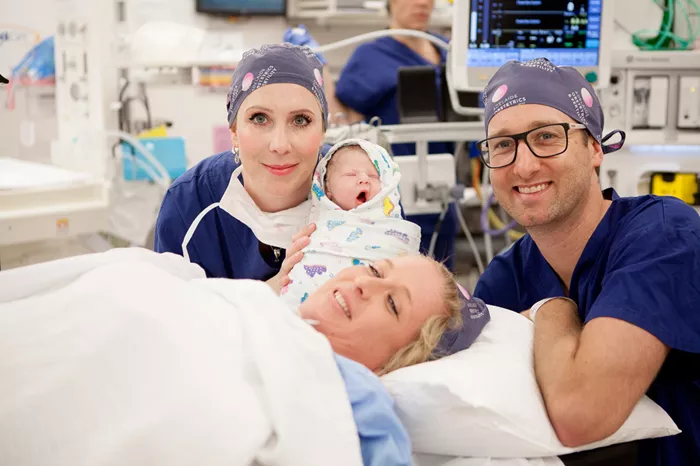
Caesarean deliveries, often called C-sections, are becoming increasingly common across the globe. In the United States, nearly one in three births are now delivered surgically, according to the Centers for Disease Control and Prevention (CDC). While this procedure can be lifesaving for both mother and baby, experts are raising concerns about the steady rise in rates.
The increase cannot be explained by maternal health factors alone. Broader medical, cultural, and societal trends are shaping how and why women give birth—and many experts believe the implications for families and healthcare systems deserve closer attention.
Maternal Health Factors Do Play a Role
Several well-known trends among expectant mothers contribute to higher rates of C-sections:
Older maternal age: More women are choosing to have children later in life, when pregnancy risks—including hypertension, diabetes, and complications during labor—are naturally higher.
Rising obesity rates: Higher body mass index (BMI) increases the likelihood of conditions such as gestational diabetes and preeclampsia, which can lead to surgical delivery.
Multiple pregnancies: Fertility treatments and older maternal age are linked to an increase in twin and triplet pregnancies, which often require C-sections for safety.
While these maternal health issues are important, experts caution that they explain only part of the picture.
The Influence of Defensive Medicine
Healthcare providers are increasingly practicing “defensive medicine.” This means choosing interventions, including C-sections, to reduce perceived legal or liability risks. For example, if labor is progressing slowly, a provider may recommend surgery rather than continuing to wait. While intended to minimize complications, this approach may be contributing to the rising trend of surgical births.
Declining Confidence in Physiological Birth
Another factor is the gradual shift in training and experience among clinicians. Obstetricians and midwives may have fewer opportunities to support unmedicated, non-surgical deliveries. Over time, this can lead to a cycle in which providers become less confident in managing longer or more complex vaginal labors—making surgery seem like the safer choice.
The Role of Anxiety and Misinformation
Social media has created an environment where expectant parents are exposed to alarming birth stories, often without the balance of medical evidence. This can heighten anxiety and increase requests for elective C-sections, even when they may not be medically necessary. The desire for predictability and control—knowing the exact date and circumstances of delivery—can also play a part.
Global and U.S. Trends
Worldwide, the World Health Organization (WHO) estimates that C-section rates have nearly doubled since 2000. In some countries, more than 50% of babies are now delivered surgically. In the U.S., the rate has remained around 31–32% for more than a decade, well above the 10–15% rate WHO suggests may be optimal for balancing medical necessity with safety.
Despite these high numbers, maternal and infant mortality rates have not improved proportionally. Researchers continue to study whether high C-section rates could have long-term consequences for children’s immune systems, gut health, and future pregnancies.
Why This Matters
C-sections are generally safe, but like any major surgery, they carry risks:
Longer recovery times compared to vaginal births
Higher rates of infection and blood loss
Increased likelihood of complications in future pregnancies, such as placenta previa or uterine rupture
For babies, scheduled or early C-sections may increase the risk of breathing difficulties, especially if performed before 39 weeks without medical necessity.
Moving Forward: What Parents Can Do
Experts say families should feel empowered to ask questions and participate in decision-making about their birth plans. Helpful steps include:
Discuss options early: Talk with your healthcare provider about when a C-section might be recommended and under what circumstances.
Learn about induction and labor support: In some cases, strategies such as continuous labor support (like doulas) or upright birthing positions can help reduce the need for surgical intervention.
Seek balanced information: Use evidence-based resources, such as CDC, ACOG (American College of Obstetricians and Gynecologists), and WHO guidelines, rather than relying solely on anecdotal stories online.
The Bottom Line
The rise in caesarean births cannot be attributed to women alone. It reflects a complex interplay of medical, cultural, and societal factors—from changes in maternal health to defensive medicine and the influence of social media.
While C-sections remain an essential and often lifesaving option, understanding the broader forces driving their use can help families make informed decisions and encourage healthcare systems to strive for balance between safety and unnecessary intervention.
YOU MAY ALSO LIKE
New Accreditation System IVF Planned for Fertility Clinics
5 Exercise Tips to Help Manage PCOS Symptoms
New Hope for PCOS Management, But Insurance Barriers Remain Strong
